Is Jesus Mentioned in the Old Testament?
We highlight messianic themes, typologies, and prophecies, showing how the Old Testament anticipates Jesus’s life, mission, and kingdom.
Explore 158 articles about study - Page 3 of 4
Discover our collection of carefully crafted articles focused on study. These articles bring biblical wisdom to life and help you apply God's Word to your daily life.
We highlight messianic themes, typologies, and prophecies, showing how the Old Testament anticipates Jesus’s life, mission, and kingdom.
We trace the Latin and Greek roots, explain how testament came into English, and show why covenant is central to understanding God’s story.
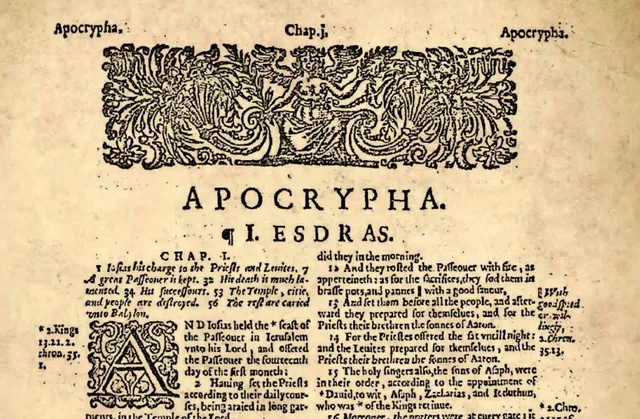
We explore Jewish and Christian use of these books, their themes, and how they shaped theology, devotion, and history—without being in all canons.
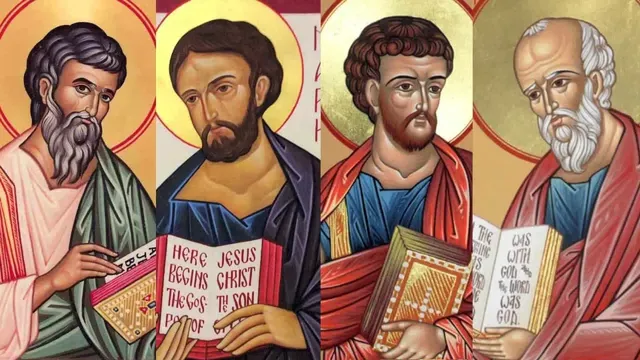
We outline each Gospel’s audience, themes, and emphases, showing how their harmony and diversity strengthen faith.
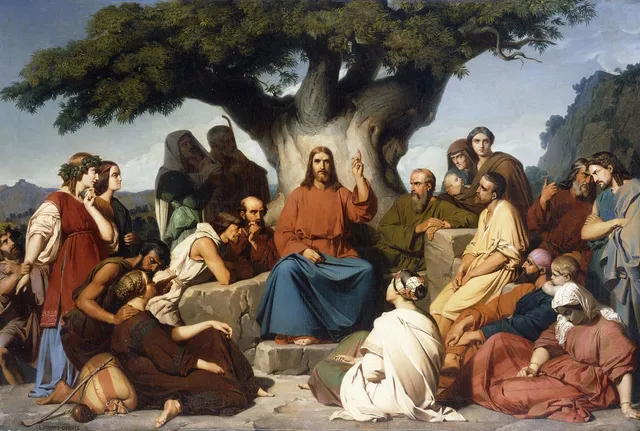
We explain how parables use story to reveal hidden truth, while prophecies confront with God’s word about present and future realities.

This article shows how genre, context, and purpose guide interpretation—helping you avoid extremes and read Scripture well.

We explore Hebrew, Aramaic, and Greek, how each shaped biblical books, and how language choices affect interpretation today.

We outline factors like translation, cultural background, denominational traditions, and hermeneutical approaches that shape how people read the Bible.

We compare translation philosophies, reading levels, and use-cases, with tips for pairing a daily reading Bible and a solid study Bible.
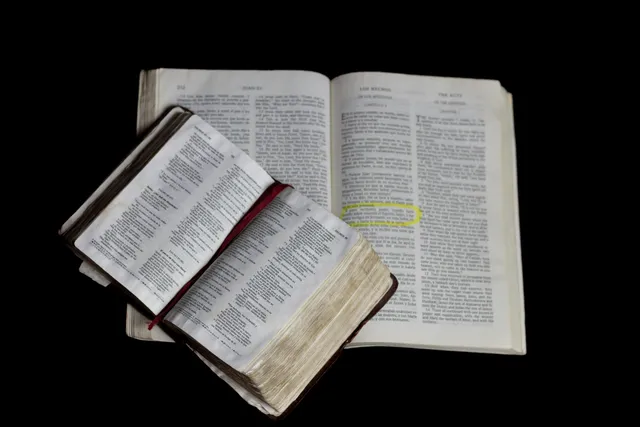
We compare canons, note major translation lines, and offer practical advice for reading across traditions with clarity and respect.

We review copying traditions, textual criticism, and historical evidence that shows remarkable stability across centuries.

We explain mentions of other writings in Scripture, survey notable extra-biblical texts, and offer guidance for reading them responsibly.

A clear overview of inspiration, canon formation, manuscript transmission, and translation—so you can see the Bible’s journey at a glance.
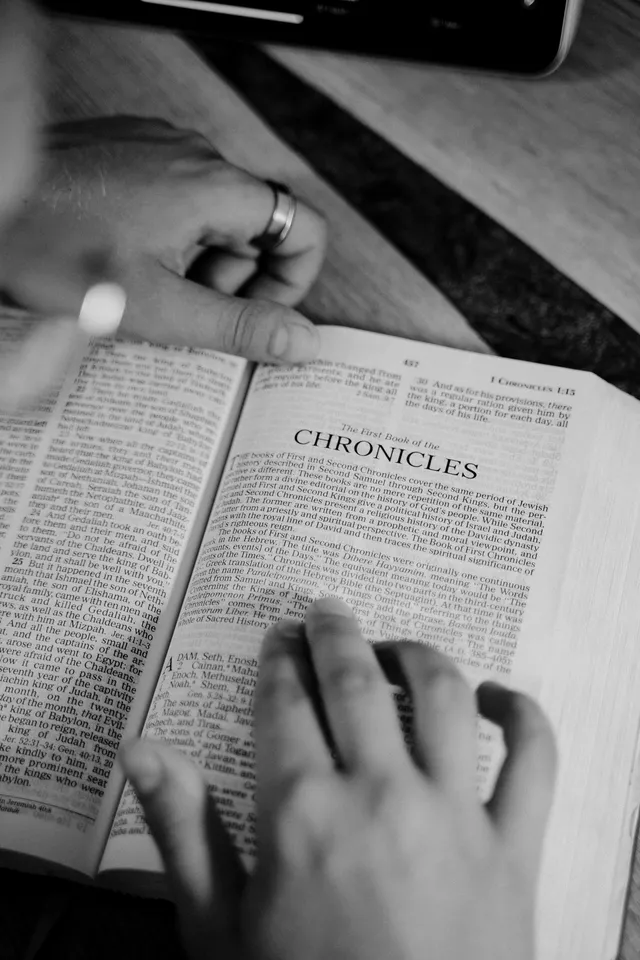
We outline the role of the Septuagint and Vulgate, explain naming differences, and give tips for reading “Part 1/2” books as one continuous story.
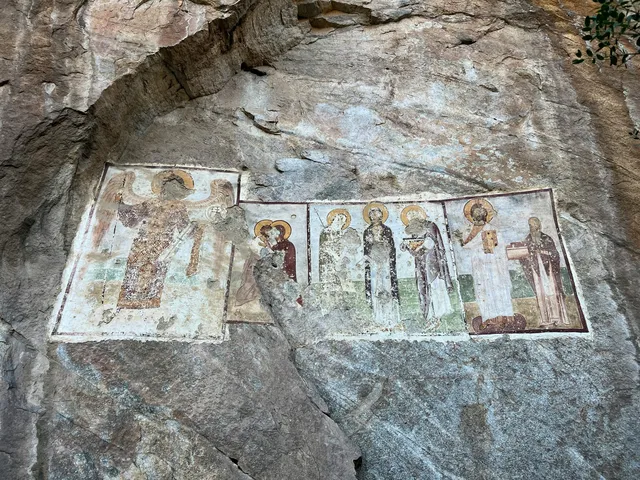
We outline key lines of evidence—early sources, multiple attestation, and external confirmations—showing how history and faith reinforce, not cancel, each other.

We walk through genre, context, word studies, and practical tools (notes, cross-references, structure) so your study time becomes clear, enjoyable, and consistent.

We explain how parables use narrative to reveal hidden truths, while proverbs deliver concise wisdom. Discover how both invite reflection and change.

We introduce five brief books, what they emphasize, and how to absorb them in a single sitting with reflection questions to deepen impact.
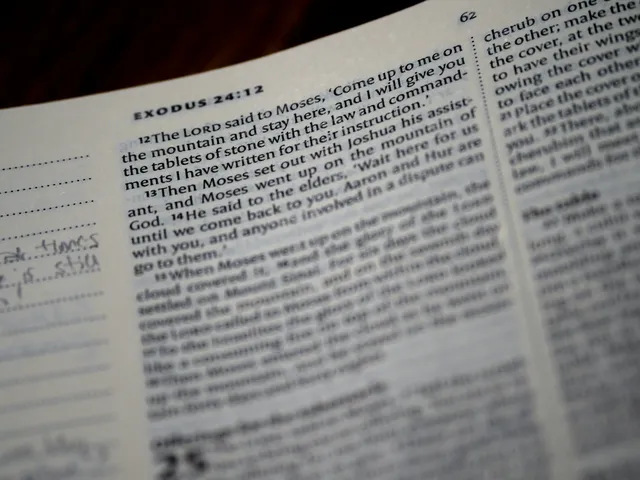
We walk through seven widely misread passages, showing literary and historical context, cross-references, and how to apply them without flattening the message.
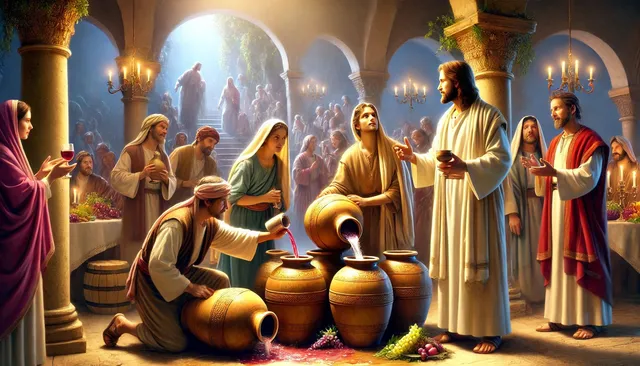
This piece explains how biblical authors frame miracles, how symbolism and history can overlap, and why the Gospels link wonders to Jesus’s identity and mission without turning them into spectacle.

We explain translation philosophies, manuscript issues, and practical tips for pairing a daily-reading Bible with a study Bible for deeper dives.

We show how biblical genealogies structure stories, preserve identity, and connect key themes—from Abraham to David to Christ—so readers see continuity instead of skipping the page.

A clear tour of major passages and patterns, with tips for responsible reading that avoids proof-text traps while honoring biblical fulfillment.

Explore what “covenant” means in Scripture, how ancient treaties illuminate it, and why the new covenant in Christ transforms identity, worship, and daily life.

This guide shows how Revelation’s apocalyptic language works, why it borrows imagery from the Old Testament, and how its visions call the church to faithful endurance, worship, and hope in Jesus.

This accessible guide introduces Paul’s epistles, explaining why they were written and how to read them today. Explore themes like grace, unity, spiritual gifts, and everyday holiness, with tips for personal and group study.

New to the Bible? This guide gives you a realistic first step: where to begin, how long to read, how to take notes, and what to do when you get stuck. Build momentum with a simple routine that grows with you.

The Psalms teach us how to speak honestly to God—joy, grief, fear, and hope. This guide explains types of psalms, key themes, and simple ways to use them in personal and corporate worship today.

This guide explains what the Bible is, how it is organized into Old and New Testaments, and why its structure matters for everyday reading. You will learn how the books fit together, what genres you will encounter, and how this helps you read with clarity and confidence.

This article surveys the human authors of the Bible, the time periods they wrote in, and the historical settings that shaped their messages. See how poetry, prophecy, history, and letters form one unified story of redemption.

Dynamic vs. literal? Reading vs. study? This piece explains why Bible translations differ, what philosophies guide them, and how to choose a version you will actually understand—and use.

A weekly plan for study, prayer, rest, and fun.
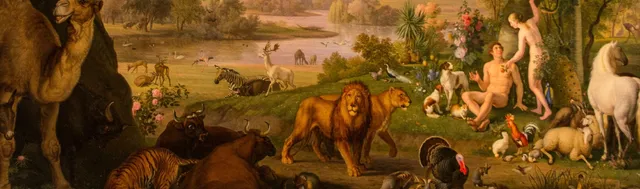
Explore how animals function in the Bible’s poetry, prophecy, and stories—from David’s lions and bears to Job’s Behemoth and Leviathan—revealing character, power, and God’s rule over creation.

Say “yes” to God’s lead in your season.

Tools, colors, and a simple legend to get started.

From covenants to promises, this article compares the Old and New Testaments in clear terms. Learn how law and grace relate, how prophecy points forward, and why the two Testaments unite into one story centered on God’s redemption.

Grasp the big layout to read with more insight.
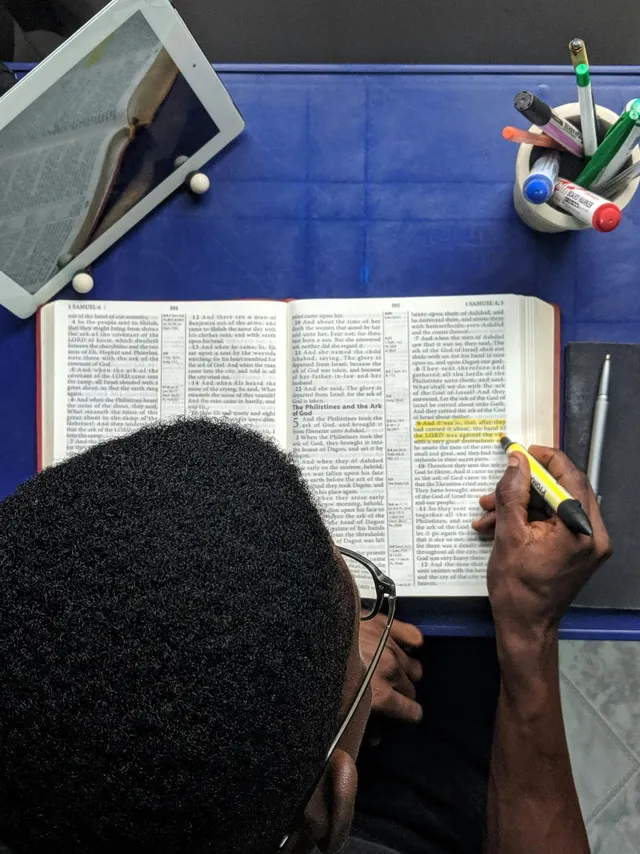
Step-by-step examples you can try today.

This reading tour surfaces lesser-known episodes—quiet acts of courage, warning, and grace—showing how small stories carry big truth for today.

Encouragement for trusting God’s bigger picture.