The Bible. A single word that encompasses centuries of human history, divine Revelation, poetry, prophecy, and promise. For many, it's more than a book-it's a living voice, a lamp shaping hearts and generations alike. Yet even those who've read it for years sometimes ask, "What exactly is the Bible?" How did it come to be, and how is it structured to speak to every era, culture, and language under heaven? To answer this, we must trace both its sacred origins and its remarkable design-part history, part mystery, and wholly inspired.
The Library of God's Story
The Bible isn't a single work written in one time and place, but a divine library stretching across more than a thousand years. Composed by shepherds and kings, prophets and fishermen, exiles and apostles, its sixty-six books (in the Protestant tradition) capture humanity's unfolding encounter with the living God. From the first cry of creation in Genesis to the final vision of new creation in Revelation, the overarching theme is clear: God is redeeming His world through His Word.
It's a collection unlike any other. Unlike mythological epics or philosophical treatises, the Bible's unity doesn't come from shared culture or literary style. Its unity comes from a single divine Author who breathes through many human voices. As Paul reminds Timothy, "All Scripture is God-breathed and useful for teaching, rebuking, correcting and training in righteousness" (2 Timothy 3:16). The diversity of its writers only magnifies the coherence of its message-one story, speaking one truth: the steadfast love of the Lord endures forever.
From Oral Tradition to Written Word
Before ink ever touched parchment, the stories of God's people lived first as spoken memory. Around nomadic fires and temple courts, the people of Israel passed down the stories of Abraham, Moses, and David. These were not mere legends kept for cultural pride-they were living reminders of covenant faithfulness. The oral recitation of these sacred accounts was an act of worship, preserving the heartbeat of a nation chosen to bear witness to God's mighty acts.
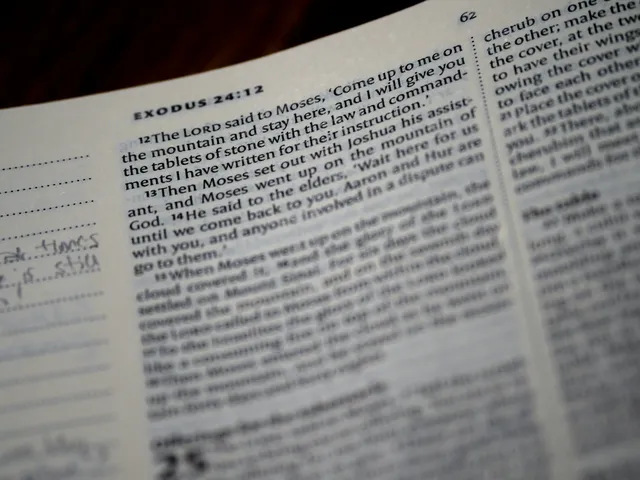
In time, these oral traditions were inscribed on scrolls. The earliest written portions of the Hebrew Scriptures likely included laws, genealogies, and songs. Moses, we're told, wrote down the words of the Lord (Exodus 24:4), establishing a trust in written Revelation that would become central to Israel's identity. Prophets would later add their messages, written down and preserved even amidst exile and cultural upheaval. By the time of Jesus, the Law, Prophets, and Writings were revered as the authoritative Scriptures-the Old Testament as we know it today.
The New Testament: A Covenant Fulfilled
The story of Scripture doesn't end in Malachi's final promise-it bursts forth anew with the coming of Jesus Christ. His life, death, and resurrection became the center of a new covenant, one that fulfilled what the old had foreshadowed. The apostles and early believers soon recognized the need to preserve this gospel message in writing.
The Witness of the Apostles
Matthew, Mark, Luke, and John offer four portraits of the Savior-each from a different vantage. Together they reveal the depth of Christ's mission, painting both His humanity and His divinity in vivid color. Then come the Acts of the Apostles, chronicling how the gospel spread from Jerusalem to the ends of the earth, powered by the same Holy Spirit Jesus had promised.
The letters-or epistles-follow. Written by apostles such as Paul, Peter, James, John, and others, they serve as pastoral and theological anchors for the church. They deal with real people in real contexts: disputes, doubts, persecution, and hope. At the close of the New Testament stands Revelation-a cosmic epilogue of judgment and renewal, a curtain call where Christ triumphs and creation itself is restored.
How the Bible Was Formed
Many wonder how this rich variety of writings became the Bible as we know it. The process wasn't one of political decree or arbitrary selection but rather of organic recognition. The people of God came to acknowledge certain writings as uniquely bearing His authority. These books were treasured, read publicly in worship, and recognized as "Scripture" over time.
The Old Testament Canon
By the time of Jesus, the Hebrew Scriptures were largely established. The Jewish community had long acknowledged the Law (Torah), the Prophets, and the Writings as sacred. Copies were meticulously preserved by scribes-men who viewed every letter as holy. The reverence shown to the text ensured remarkable accuracy through centuries of transmission.
The New Testament Canon
Early Christians relied on the teachings of the apostles, the oral testimony of eyewitnesses, and the letters circulated among churches. By the end of the first century, many of these writings were already being read together alongside the Old Testament in Christian gatherings. Within a few centuries, widespread agreement emerged about which writings bore the mark of apostolic authority and divine inspiration. Councils in the fourth century affirmed what believers had long known: these writings ring with the voice of God.
Structure and Flow: The Story Within the Story
The Bible can seem complex at first-laws and poetry, prophecy and letters all interwoven-but once we see its inner structure, it unfolds with clarity and grace. In essence, the Bible tells one grand narrative in two acts: Creation and Redemption.
The Old Testament: Promise
The Old Testament lays the foundation with the story of God's covenant people. Genesis reveals the Creator and the fall of humanity; Exodus shows deliverance; Leviticus through Deuteronomy shape the life of holiness. Historical books trace the rise and fall of kings; the prophets remind God's people of His justice and mercy. Even in exile, they look forward to a coming Messiah-the hope of restoration.
Poetry and wisdom literature-Psalms, Proverbs, Job, Ecclesiastes-give voice to the heart's cries and reflections. Together, they show that God is not only the ruler of nations but the healer of souls.
The New Testament: Fulfillment
Here the promise becomes reality. The Gospels show Emmanuel-God with us-walking among His creation. Acts reveals His Spirit igniting the early Church. The epistles explain what it means to live out that redemption, and Revelation promises consummation: all things made new. The arc runs from the garden of Genesis to the city of Revelation, from broken fellowship to eternal communion.
Why the Bible Still Speaks Today
Across centuries and cultures, the Bible continues to shape hearts because it is far more than an ancient record-it is the living Word of God. When we open its pages, we aren't simply reading history; we're meeting the Author. The same Spirit who inspired its words now illuminates them to our hearts.
That's why Scripture can comfort one person grieving loss and convict another seeking purpose. It holds timeless truths but speaks freshly into every new season. Jesus Himself declared, "Heaven and earth will pass away, but my words will never pass away" (Matthew 24:35).
Encounter, Not Just Information
Reading the Bible devotionally invites encounter, not just education. When Moses removed his sandals before the burning bush, he did so because the ground itself had become sacred-so it is when we open the Word. The goal isn't only to know about God but to know Him. In prayerful reading, meditation, and obedience, His Word becomes bread for the soul. "Man shall not live by bread alone, but by every word that comes from the mouth of God" (Matthew 4:4).
Trusting the Word in an Age of Noise
In a time when countless voices clamor for attention, Scripture remains a steady voice of truth and grace. It confronts our pride, comforts our wounds, and re-centers us on what is eternal. Its relevance doesn't depend on trend or technology-it endures because it flows from the heart of the Eternal One.
Even amid doubt or difficulty, believers discover that the Word sustains. It's in the Psalms of lament that we find language for our pain; in the Gospels, we glimpse a Savior who weeps with us; in the epistles, we hear calls to persevere. The Bible's power is not merely in information but transformation. It changes those who listen with open hearts.
The Bible's Invitation
Every page of the Bible carries an invitation: to listen, to trust, and to follow the God who speaks. It's not only about knowing doctrine but living relationship. Through its words, God still whispers comfort, convicts hearts, and draws us near. The same Word that called light from darkness now calls faith from fear.
So when you next open those familiar pages or tap into a digital verse, pause. Remember you are standing on holy ground. The book you hold has been carried through deserts, copied by candlelight, forbidden by emperors, treasured by martyrs, and sung by saints. It bears the weight of divine Revelation and the tenderness of human longing. It is the story of God's pursuit-and your place in it.
A Living Word for a Living People
The Bible's origins are ancient, its structure intricate, but its purpose is simple: that we might know God and be shaped by His truth. It tells us who He is, who we are, and what redemption costs-and offers. To read it with faith is to step into a dialogue as old as time yet as fresh as this morning's sunrise.
Let it not merely rest on shelves, but rest in hearts. Let it be not only quoted, but lived. For the same Word that breathed galaxies into being still breathes life into us. And in that breath-steady, holy, and true-we find direction for today, hope for tomorrow, and eternity's light shining into our every moment.