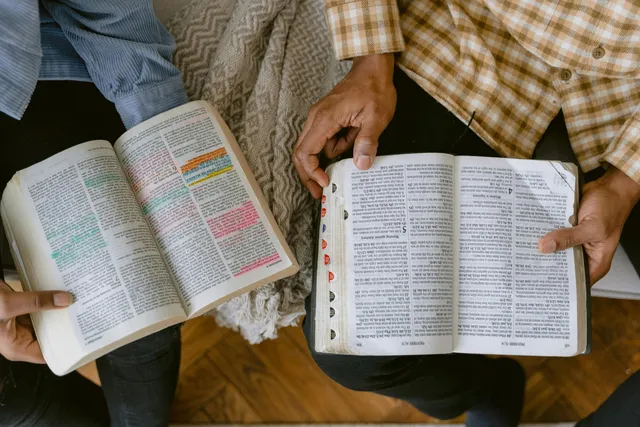
There's a unique longing many believers experience at some point in their faith journey: a desire to truly know God through His Word. Maybe you've grown up seeing a Bible on the family bookshelf, or perhaps you've recently encountered Jesus for the first time and want to understand what following Him really means. Still, when you open those sacred pages, it can feel overwhelming - ancient names, strange customs, a thousand thin pages whispering truths you sense are life-changing but hard to grasp. This guide is an invitation - not a lecture - to help you find your footing in the most extraordinary book ever written.
Start With the Heart: Why We Read
Before diving into which book to begin with or how many chapters to read, pause for a moment. Reading the Bible isn't only a matter of understanding its words; it's about encountering the living God. Scripture itself reminds us that "the Word of God is living and active" (Hebrews 4:12). These pages don't merely inform; they transform. When you open the Bible, you're entering a conversation - God speaking, you listening, responding, discovering.
This means the first step isn't about a reading plan, but about posture. Approach the Bible not as a checklist, but as a meeting place. Pray before you start. Something simple, something real - even a quiet "Lord, help me hear You" can open your heart to what's unfolding in His Word. The Spirit of God delights to teach willing hearts, not perfect readers.
Choosing Where to Begin
The Bible is one grand story, but it's made up of sixty-six individual books - historical writings, poetry, prophecy, letters, and more. For a beginner, certain books can serve as a gentle doorway into that story's beauty and power.
The Gospel Foundations
Many find it best to begin with one of the Gospels - Matthew, Mark, Luke, or John. These four accounts tell the story of Jesus' life, death, and resurrection, the very heart of the Christian faith. Start with the Gospel of John if you're longing for an intimate, reflective look at who Jesus is. John's language is simple but profound, carrying you into the depth of God's love and the wonder of His Son's mission.
Others prefer the Gospel of Luke for its compassionate storytelling and attention to detail, or Mark for its fast pace and clear picture of Jesus' action-filled ministry. Any of the four will introduce you to Christ in a way no other book can.
Moving Into the Story's Flow
Once you've encountered Jesus in the Gospels, stepping into the book of Acts reveals something incredible: how the earliest followers of Christ carried His message into the world. You'll see ordinary people empowered by the Holy Spirit, living out divine purpose in communities and cities that struggled, doubted, and changed - much like ours today.
From there, you can weave in shorter letters like Philippians or James. They offer encouragement and practical wisdom for living out your faith daily. Don't worry about understanding everything perfectly. Think of it as building relationship, not mastering information.
How to Read: Letting the Word Sink Deep
We often read in a hurry - headlines, notifications, posts. Scripture invites us to do the opposite: to slow down. The Bible isn't meant to be skimmed. Its meaning unfolds through patience, reflection, and conversation with God. Here are a few ways to approach your reading that will draw it from your mind into your heart.
Read Prayerfully
Before and after reading, talk with God about what you've seen. Ask questions. Express confusion. Praise Him when a verse comes alive. This transforms reading from a task into friendship. As Psalms 119:18 says, "Open my eyes, that I may behold wondrous things out of your law."
Read Slowly
Sometimes only a few verses will stay with you - that's okay. Quality matters far more than quantity. Linger when something moves your heart. Meditation in Scripture simply means allowing truth to dwell within you until it shapes how you see and live. A simple phrase, like "The Lord is my shepherd" (Psalms 23:1), can nourish you for days.
Read in Context
One of the most common mistakes beginners make is pulling out a single verse without understanding what surrounds it. Every part of Scripture lives within a story. When something feels unclear, glance at the verses before and after. Ask, "Who is speaking? Who is listening? What's happening here?" Context often unlocks meaning that transforms confusion into clarity.
Tools That Help (Without Getting in the Way)
You don't need a library of commentaries to begin reading the Bible fruitfully, but some tools can gently guide your understanding. A good study Bible offers background notes, maps, and explanations that can be invaluable when you meet a difficult passage. Free Bible apps often include reading plans and cross-references to help you trace themes across Scripture.
If you like structure, try a plan that balances Old and New Testament readings. The important thing is not to become trapped by schedules or guilt. Plans serve you; you don't serve them. What matters most is steady, authentic engagement with God's voice.
When It Feels Difficult
There will be days when what you read puzzles or even unsettles you. The Bible doesn't hide life's raw edges - there's sorrow, tension, and questions woven into Israel's history and the early Church's journey. Even faithful saints wrestled to understand. Remember Jacob wrestling all night and refusing to let go until he received a blessing (Genesis 32:26)? Reading Scripture sometimes feels like that. Keep holding on. The blessing comes in the wrestling.
Be patient with yourself. God's Word is written for a lifetime of discovery. You are not expected to understand it all in a week or a year. The same Spirit who inspired those words illuminates them for you today - in His own time and way.
The Power of Community
Though personal reading is vital, we were never designed to journey through Scripture completely alone. The early believers gathered regularly to hear the apostles' teaching, to break bread, and to pray together (Acts 2:42). As you grow in reading, consider joining a study group or finding a friend to read along with. Hearing how others see and experience God's Word can deepen your insight and joy.
When questions arise, community brings perspective. Mature Christians can help explain historical backgrounds or subtle connections between passages. But more importantly, communal reading turns truth into shared life - stories and struggles echoed through Scripture, met together in grace.
Letting the Word Shape You
The ultimate goal of reading the Bible isn't to collect knowledge, but to be transformed. James gives the warning clearly: "Be doers of the word, and not hearers only" (James 1:22). Every story, proverb, and letter presses us toward living more like Christ. As you read, ask the gentle question, "What is God inviting me to do or become through this passage?"
Maybe you'll discover the call to forgive someone you've avoided, to show kindness where resentment lives, to trust God in a situation that feels uncertain. The Word doesn't just inform - it molds the heart's texture until we resemble the One whose story it tells.
A Living Word for a Changing Life
Over time, you'll notice something wondrous. Familiar verses will reveal new depths; passages you once glossed over will speak directly into seasons of sorrow or joy. The Spirit tailors Scripture's comfort and challenge to the life you're living right now. In morning quiet or a late-night prayer, God's Word meets you - alive, personal, unchanging yet brand new.
So, begin simply. Open the Gospel of John. Whisper a prayer of invitation. Read a few verses. Reflect. Listen. You may not see immediate fireworks, but know this: each page you read is a meeting place between Heaven and earth, between your heart and God's compassion.
The Bible is more than an ancient book - it's a living encounter, one you'll grow to cherish. Let it speak, shape, and steady you. Whether you're sitting in a quiet kitchen at dawn, reading from a phone on a commute, or journaling in the stillness of evening, those moments matter. They form the rhythm of a soul learning to hear its Maker again.
And little by little, you'll realize that what began as reading has turned into something far greater: a relationship. That's the miracle of Scripture - it doesn't just tell the story of God reaching out to His people; it lets you live that story every single day.