Every Christian home likely has one-perhaps several-Bibles resting on shelves, coffee tables, or beside pillows worn by midnight prayers. We open its pages for comfort, guidance, and truth. But have you ever paused to ask, Where did this book-the Bible-come from? Not just where it was printed, but how the words found their way from ancient shepherds and prophets into your hands today. The answer is both breathtakingly human and profoundly divine.
The Story Written by God-and by Human Hands
The Bible is not a single book; it's a library-a collection of sixty-six writings (in the Protestant canon) composed by more than forty different authors over roughly fifteen hundred years. Shepherds, kings, fishermen, prophets, physicians-each wrote from a unique place in history, culture, and experience. Yet, somehow, through every pen and generation, a single thread ties it all together: God was the Author behind the authors.
When Moses recorded the early stories of Israel, he wasn't merely keeping family history. He was testifying to God's work in creation, covenant, and deliverance. When David sang his Psalms in caves and courts, he wasn't just expressing emotion. He was revealing the heart of worship. And when Paul wrote his letters from prison, they were more than correspondence-they were the living voice of the Spirit to the Church, still echoing today.
From Oral Tradition to Sacred Text
Before anything was written down, God's truth lived on the lips of His people. In the earliest days, faith was a spoken story passed from one generation to the next. Shepherds under starry skies recited the promises of Abraham. Around campfires, children learned the mighty acts of God who rescued His people from Egypt. The stories were treasured, rehearsed, memorized-because they weren't just history. They were identity.
When Words Became Scrolls
Eventually, God instructed that His words be written (Exodus 34:27). The commandments etched on stone and the records inscribed on parchment began to take form as Israel's Scriptures. Scribes meticulously copied them, ensuring the sacred words survived the centuries intact. Even the smallest letter mattered-Jesus Himself said, "not the smallest letter, not the least stroke of a pen, will by any means disappear from the Law" (Matthew 5:18).
These early scrolls were kept in the Temple or among priests who understood their holiness. By the time of Jesus, what we know as the Old Testament was largely complete and venerated as God's Word.
The Birth of the New Testament
When Christ came, He fulfilled those very Scriptures. Yet He also unleashed something new-the gospel-the story of God's redeeming love made visible. The disciples, empowered by the Holy Spirit, began to record His words and deeds. Ordinary men, transformed by extraordinary grace, wrote letters, testimonies, and messages for building up believers across the Roman world.
The Gospels of Matthew, Mark, Luke, and John offer four beautifully distinct portraits of Jesus. Luke, a physician, writes with historical care; John with cosmic wonder; Matthew roots everything in Hebrew prophecy; Mark speaks with urgent simplicity. Paul's letters pulse with mission; Peter's with pastoral encouragement; John's with poetic theology. All point to Christ as Lord-the Living Word embodied within the written Word.
How the Church Recognized the Scriptures
Contrary to popular imagination, no single council suddenly "decided" what would be Scripture. The early Church recognized what was already authoritative. Christians across regions read and honored the same writings because they carried the unmistakable breath of God. They were apostolic (linked to eyewitnesses of Jesus), consistent with the message of the gospel, and confirmed by widespread use in worship.
By the fourth century, the collection we now call the New Testament was affirmed-books that believers already treated as inspired. Far from a human invention, the canon was a recognition of divine truth already burning among God's people.
The Miracle of Preservation
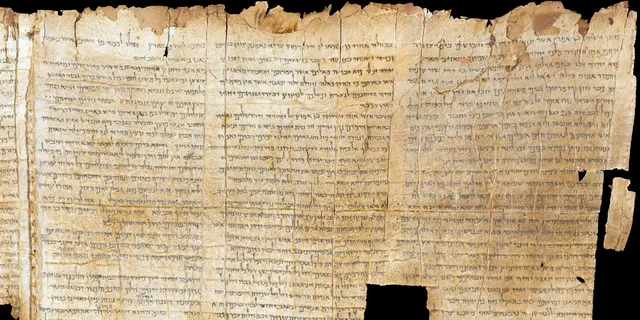
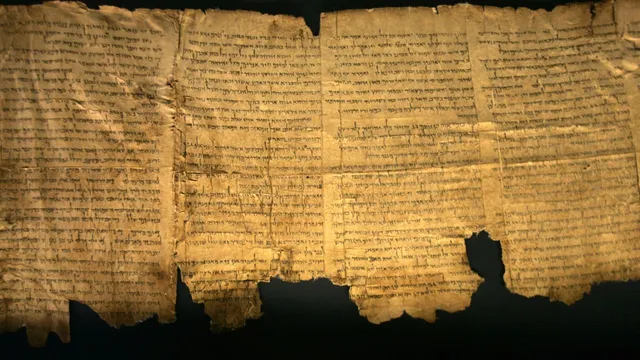
From dusty deserts to hidden monasteries, the Scriptures journeyed through time. Jewish scribes copied the Hebrew texts with astonishing accuracy; every line was counted, every letter verified. Later, Christian monks devoted their lives to preserving the Scriptures, long before printing presses existed. Many gave their lives for it.
When the Dead Sea Scrolls were discovered in the 20th century-texts over two thousand years old-scholars found that the words of Isaiah matched almost perfectly with modern copies. That's not coincidence. That's providence. God watched over His Word, ensuring that what He spoke long ago would still speak true today.
From Scroll to Print-and Beyond
For centuries, only priests and scholars had access to the Scriptures in Latin or Hebrew. But then, the printing press and faithful translators changed everything. In the 14th and 15th centuries, men like John Wycliffe and William Tyndale risked-and lost-their lives to put the Bible into the language of the people. Tyndale's dying words, "Lord, open the King of England's eyes," were answered when English Bibles were finally printed for all.
From there, the Bible traveled the world-by ship, by missionary, by radio, by app. Today, it is translated into thousands of languages. In every generation, God raises up hearts passionate to make His Word known.
More Than History-The Bible's Living Power
We can study the Bible's history and be amazed, but it was never meant to be only a record of the past. Hebrews 4:12 says, "For the word of God is living and active." The same voice that thundered at Sinai and whispered in Bethlehem still speaks to hungry hearts. The Holy Spirit, who inspired it, now illuminates it, turning ancient ink into present truth.
Think of how the Bible meets us in our real lives. We open it in loneliness and find companionship in the Psalms. We read it in confusion and find clarity in Proverbs. We sit beside hospital beds, repeating its promises, and feel the peace of the God who never abandons us. No other book reads you as much as you read it.
The Thread That Holds It Together
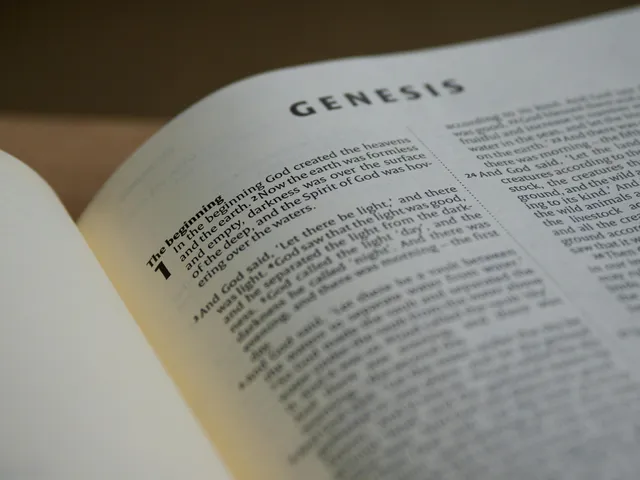
From Genesis to Revelation, every word finds its home in one grand story-redemption. Creation begins with God's goodness, sin fractures His world, and everything thereafter moves toward restoration through Jesus Christ. The Bible's unity, across centuries and continents, is the fingerprint of divine authorship. As Augustine once said, "The New Testament is in the Old concealed; the Old is in the New revealed."
When You Open Your Bible
So the next time you hold your Bible-its pages crisp or worn, its edges highlighted or tear-stained-pause for a moment. Consider the journey that brought it to you. Hands that carefully copied it, hearts that fiercely defended it, lives transformed by it. But more than that, remember the God who speaks through it.
Every time you open those pages, you are stepping into a river that has flowed for millennia-a stream of divine Revelation that never runs dry. You are hearing the same words that comforted David, challenged prophets, ignited apostles, and sustained martyrs. And now, they are meant for you.
Living the Word
The Bible is not meant to decorate shelves or rest as a relic of faith. It is a lamp for your feet, a sword for your battles, a mirror for your soul, and a seed for eternity. Its origin may trace back to deserts and scrolls, yet its purpose always points forward-to changed hearts and redeemed lives.
God's Word didn't just come from somewhere long ago; it comes freshly to us today. In every reading, in every prayer, in every act of obedience, the Author still writes new chapters in us. His Word endures forever, but its story keeps unfolding-right here, right now, in every believer who listens and says yes.
That's where the Bible came from. And that's also where it's going-straight into the lives of those who dare to live by it.