From the earliest days of the Church, believers have held the Scriptures with reverence and awe. Yet, if one browses through different Christian Bibles today, a curious discovery often emerges: some contain additional books nestled between the Old and New Testaments-books known collectively as the Apocrypha. Others omit them entirely. What are these writings? Why were they once included, and why are they missing from many Bibles today? The story runs deep into the heart of biblical history and, even more so, into the heart of Christian faith itself.
The Hidden Books with a Complex Heritage
The word "Apocrypha" comes from a Greek term meaning "hidden" or "concealed." Originally, it didn't mean "false" or "heretical," but rather referred to sacred writings not widely known. The Apocryphal books include texts such as Tobit, Judith, Wisdom of Solomon, Sirach (also known as Ecclesiasticus), Baruch, and 1 and 2 Maccabees, along with additions to Esther and Daniel. These writings bridge the gap between the Old and New Testaments, covering a fascinating period of about four centuries that shaped the Jewish world into which Jesus was born.
These books were written primarily in Greek and capture Jewish faith wrestling under foreign empires-Persian, Greek, and Roman. Stories of courage, like that of the Maccabean revolt, reflect the cry of a people longing for deliverance. Wisdom writings, such as Sirach, echo Proverbs with practical insight for godly living. In many ways, the Apocrypha are windows into what believers were praying, suffering, and hoping for before Christ came.
Why Some Bibles Include Them
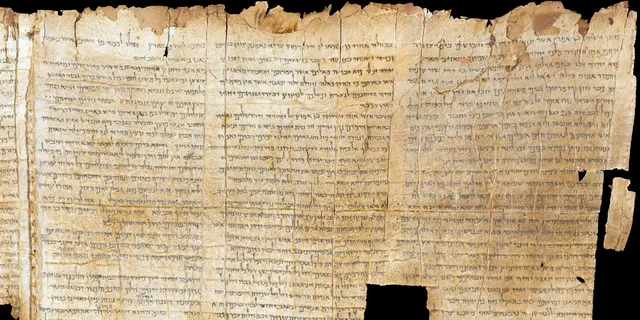
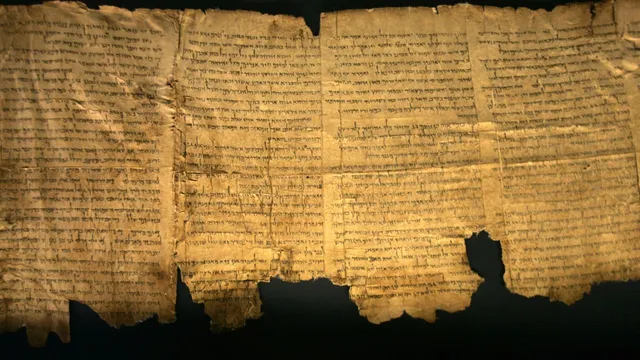
When Jewish scholars in Alexandria translated the Hebrew Scriptures into Greek around the 3rd to 2nd centuries BC-a version known as the Septuagint (LXX)-these books found their place alongside the Hebrew texts. Early Christians, many of whom spoke Greek, inherited this collection. For the early Church and Church Fathers such as Augustine, Athanasius, and Jerome, these writings were widely read and respected for their moral and historical value.
By the time the Latin Vulgate Bible was produced in the fourth century, the Apocrypha were deeply woven into Christian tradition. Jerome, the Vulgate's translator, distinguished them from the Hebrew canon but still included them in the collection, seeing their worth for instruction and encouragement. When the Church councils of Carthage and Hippo (late 4th century) discussed the Scriptural canon, they listed most of these writings as "Deuterocanonical" - meaning "second canon." They were not viewed as rivals to Scripture but as companions offering wisdom and historical continuity.
Seen as Useful, Even if Not Central
The term "deuterocanonical" highlights a distinction rather than a rejection. Early Christians valued these writings for their spiritual insight. They could be read publicly in church, meditated upon, and used for edification, though the central doctrines of the faith rested on the universally accepted books of the Old and New Testaments. The Apocrypha, in this sense, were part of the spiritual life of the early Church and remained so for over a thousand years.
Why the Reformation Drew a Line
The turning point came during the Protestant Reformation in the 16th century. Reformers like Martin Luther emphasized returning to the "original" Scriptures-those recognized by the Hebrew community. Since the Jewish canon did not include the Apocryphal books, the Reformers decided not to grant them equal authority with the rest of Scripture. Luther still translated them and placed them between the Old and New Testaments, calling them "books which are not held equal to the Holy Scriptures, and yet are useful and good to read."
Meanwhile, the Catholic Church reaffirmed their place as canonical at the Council of Trent (1546), especially in response to Protestant criticism. Thus, a great divide emerged: Protestant Bibles soon excluded the Apocrypha, while Catholic and Orthodox Bibles kept them. The difference was not merely an editorial choice but reflected differing views of biblical tradition and authority.
Echoes of That Divide Today
Today, Roman Catholic and Eastern Orthodox Bibles still include the Apocrypha (or Deuterocanonical books) as part of the Old Testament canon. Most Protestant Bibles, especially in English-speaking contexts, do not. Some modern ecumenical editions-like certain study or historical Bibles-include them for reference, often distinguishing them with a separate heading. Yet even among Protestants, interest has grown in rediscovering what these writings reveal about the spiritual landscape before Christ's coming.
What the Apocrypha Teach Us
Beyond canon debates, these books tell profound stories of faith in troubled times. In 1 Maccabees, for example, we meet courageous families who risk everything to remain faithful to the covenant. Their cry is not unlike the psalmist's: "How long, O Lord?" In Tobit, we see the beauty of family devotion and the power of prayer. The Wisdom of Solomon speaks eloquently of righteousness, immortality, and divine justice-concepts that would later echo in the New Testament. The Prayer of Manasseh expresses a heartfelt repentance that mirrors Psalms 51.
These writings remind us that between prophecy and fulfillment, there is always waiting. They show what it meant for God's people to live in tension between what was promised and what was yet unseen. Reading them can stir our own hearts to faithfulness-especially in times when God feels silent.
Lessons of Courage and Faithfulness
The story of the Maccabees, for instance, paints a vivid picture of what it means to remain steadfast when the world demands compromise. Like Daniel in Babylon, these heroes refused to bow before false gods. They remind us that courageous faith is not a relic of the past-it is the everyday calling of every believer who resists cultural pressure to abandon what is holy.
Similarly, Sirach and Wisdom offer practical wisdom not unlike that of Proverbs. They reveal that holiness is not only about belief but about walking wisely in the fear of the Lord. In an age flooded with information but starved for wisdom, these ancient voices still counsel hearts to humility, honesty, and perseverance.
Bridging the Gap Between the Testaments
The Apocrypha also serve as a bridge. They help us understand the world Jesus entered-a world under Roman rule, yearning for a messianic hope, steeped in traditions of piety and martyrdom. When Jesus spoke of resurrection, or when His disciples hoped for a political Messiah, those ideas did not arise in a vacuum. They developed during these silent centuries chronicled in the Apocrypha. Reading them is like turning on a light between Malachi and Matthew, revealing the texture of faith that shaped the first followers of Christ.
Are They Scripture for Us?
This is where conviction and tradition often meet. The Protestant Reformers were not dismissive but careful. They asked a vital question: Which books carry divine authority as inspired Scripture? Their conclusion was that only those books recognized in the Hebrew canon-what Jesus referred to as "the Law, the Prophets, and the Writings" (Luke 24:44)-should define the Old Testament. In their view, the Apocrypha, while valuable, lacked prophetic authority or explicit divine endorsement.
For Catholics and Orthodox believers, the argument is different: the same Spirit who preserved the Scriptures also guided the Church in recognizing which writings nurtured the faith. They see the continuity of the Church's reception as a sign of the Spirit's work across generations. Both perspectives, though distinct, reveal a longing for the same truth-God's voice speaking clearly and faithfully to His people.
Reading with Discernment
Even if one does not consider the Apocrypha inspired Scripture, they can still be read with reverence and discernment. They deepen our understanding of God's story and the human heart. They show how faith persevered amid oppression, how wisdom flourished under worldly power, and how hope endured when heaven seemed silent. For any Christian seeking to grasp the fullness of biblical history, these "hidden books" are like discovering old family letters-perhaps not canonical, yet filled with echoes of the same divine story.
A Call Back to Wonder
Perhaps the greatest gift the Apocrypha offer today is not controversy but wonder. They urge us to remember that God has always been at work-even when the prophets fell silent and the heavens seemed still. The faithful in those days prayed, fought, suffered, and waited, just as we do. Their words remind us that faith often lives in the spaces between Revelation-in the long stretches of silence when we keep trusting God's unseen hand.
In this sense, whether one includes the Apocrypha in a personal Bible or reads them separately, the emphasis is the same: to know the God who guides His people through every chapter-spoken, written, or seemingly silent. Like the interlude before a great symphony's finale, the Apocrypha capture the moment when the world held its breath before Christ's arrival. Their stories invite us to do the same whenever we wait for God's promises in our own lives.
Faithfulness in the Waiting
When we ponder why the Apocrypha aren't in all Bibles, we uncover more than historical debate-we encounter a question about how God reveals Himself. He speaks through prophets and apostles, through Scripture and Spirit, through seasons of silence and times of abundance. The Apocrypha sit quietly between those divine movements, whispering that God never truly stops speaking.
For the believer, this awareness transforms how we read all Scripture. The same God who sustained Israel through exile and empire now sustains us when we wait for His promises to unfold. In the gaps-between testaments or between our prayers and their answers-He is still there. And in that patient space, faith is forged.
So, whether one turns those ancient pages for study, devotion, or curiosity, the Apocrypha remain a testimony of God's nearness through the ages. They remind us that the story of faith is always bigger than we imagine-and the Author still writes it in every believing heart today.