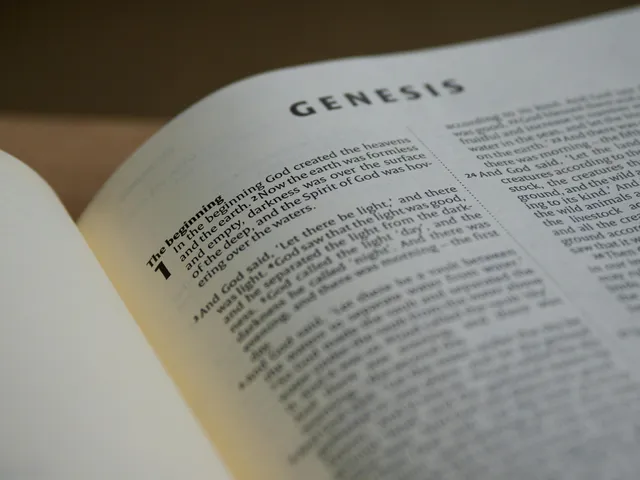
When we hold a Bible in our hands, we cradle a story of two covenants-two testaments-that together tell one redeeming narrative. The Old Testament and the New Testament are not in opposition, but in sacred conversation. One foreshadows; the other fulfills. One promises a Messiah; the other reveals Him. Yet many believers struggle to discern how the two fit seamlessly together into the grand design of God's salvation plan. To explore their difference is to discover not division, but divine continuity-a harmony written in grace from Genesis to Revelation.
Two Covenants, One God
The word "testament" simply means "covenant." The Old Testament centers on God's covenant with Israel, while the New Testament reveals God's covenant through Christ with all humanity. Both begin with God's initiative; both flow from divine love. Yet the ways in which these covenants are expressed reveal the unfolding nature of God's plan-a journey from promise to fulfillment.
In the Old Testament, God's covenant was established with a people set apart. Abraham, Moses, David-each received promises that pointed beyond their lifetimes. God said to Abraham, "in you all the families of the earth shall be blessed" (Genesis 12:3, ESV). Though the Old Covenant was often marked by law and ritual, its foundation was always grace. God's calling of Israel was not earned but given.
The New Testament unveils how those promises burst into bloom through Jesus Christ. Where the Old Covenant engraved commandments on tablets of stone, the New Covenant writes them on human hearts. It is not a different God acting differently, but the same loving God bringing His plan to completion in Christ. The God of Sinai is the same God who hung upon the cross.
The Law and Grace: A Tension Resolved
Perhaps the most commonly perceived difference between the two testaments lies in the contrast between law and grace. The Old Testament is often associated with laws, sacrifices, and strict observances. The New Testament, by contrast, celebrates the grace and freedom found in Christ. Yet to see law and grace as opposites is to miss their divine harmony.
The Purpose of the Law
The law given through Moses was never meant to save; it was meant to reveal. Paul writes, "Through the law comes knowledge of sin" (Romans 3:20). The commandments exposed humanity's need for mercy and pointed toward a Redeemer. Every sacrifice offered at the temple, every drop of blood sprinkled on the altar, whispered of the One who would one day say, "It is finished."
Grace, then, is not the replacement of law, but its fulfillment. Christ did not abolish the Old Testament commandments; He embodied them. He lived the righteousness the law demanded yet could not produce in humanity. In Jesus, mercy and justice kiss. The shadow of the law finds its light in grace.
From Temple to Heart
In the Old Testament, worship revolved around a sacred space-the tabernacle and, later, the temple. God's presence dwelled in the Holy of Holies, accessible only to the high priest once a year. Every ritual, every curtain, every sacrifice was designed to teach holiness and point to our need for atonement.
When Christ came, He declared, "Destroy this temple, and in three days I will raise it up" (John 2:19). He was speaking of Himself. In the New Covenant, the temple is no longer a building, but a person-Christ-and through Him, the believer. The Spirit of God now dwells not in stone walls but in human hearts. We have become living temples, walking signs of grace.
This transformation marks one of the most breathtaking differences between the testaments. The Old showed humanity how to approach God through sacrifice; the New reveals God approaching humanity through love. The curtain that once separated us from His presence was torn the moment Jesus died (Matthew 27:51). What was once restricted to a priestly ritual is now the daily reality of every believer.
The Revelation of Christ in the Scriptures
It would be a mistake to think Christ appears only in the New Testament. In truth, He is the unseen thread weaving through every story of the Old. Jesus Himself said, "These are the Scriptures that testify about Me" (John 5:39). From the promise in Eden that the seed of the woman would crush the serpent's head, to the suffering servant of Isaiah, Christ is present throughout the Old Testament in promise, pattern, and prophecy.
Foreshadow and Fulfillment
When we read the story of Abraham offering Isaac, we glimpse the Father's heart that would one day give His only Son. When the Israelites mark their doorposts with lamb's blood at Passover, we see the shadow of the true Lamb whose blood would cover the world. David's songs of longing for deliverance echo in the prayers of Gethsemane. The Old Testament whispers "He is coming"; the New shouts "He has come."
The Old Testament is promise concealed; the New Testament is promise revealed. Together they describe one continuous movement-from expectation to fulfillment, from longing to love incarnate.
The People of God: From One Nation to Every Nation
In the Old Covenant, God selected Israel as His chosen people. Through them, He demonstrated His faithfulness, justice, and mercy to the world. However, His desire was always global. When Jesus arrived, He expanded the covenant's reach to include everyone who would believe. The kingdom of God is not bound by ancestry or geography; it is born wherever faith in Christ takes root.
Paul declares, "There is neither Jew nor Greek... for you are all one in Christ Jesus" (Galatians 3:28). This is not the erasure of heritage, but the fulfillment of God's ancient promise to bless all nations. The people of God are now defined not by circumcision or ritual law, but by the seal of the Holy Spirit.
The Tone of Relationship: From Duty to Delight
Those who read the Old Testament only as a list of do's and don'ts often miss its deeper beauty. The heartbeat of the Old Covenant was relational-"I will be your God, and you will be My people." Yet humanity's inability to keep the covenant in full left the relationship fractured. The people longed for intimacy with God but found barriers-moral, spiritual, and ritual-standing between them and their Creator.
In Jesus, those barriers fall. Relationship replaces ritual. Love fulfills the law. The obedience that was once duty becomes delight. Forgiveness, once sought through sacrifice, now flows freely through the blood of Christ. What once required an altar now calls simply for a surrendered heart.
The New Covenant of the Heart
In Jeremiah 31:33, God promised, "I will put my law within them, and I will write it on their hearts." That promise blooms in the New Testament era. No longer do external regulations define God's people; their inward transformation does. The Holy Spirit teaches, convicts, and comforts from within. The same God who thundered from Sinai now whispers peace to our souls.
Continuity, Not Competition
It's tempting to draw sharp contrasts between the Testaments-as though the first were an old rulebook and the second an entirely new religion. Yet the truth is more wondrous. The New Testament rests upon the Old like fruit upon a tree's branches. The law and prophets form the roots that feed the gospel's growth. Jesus did not dismiss them but fulfilled them, saying, "I have not come to abolish them but to fulfill them" (Matthew 5:17).
Both Testaments, therefore, belong together as one complete Revelation of God's redemptive love. The Bible's unity is as miraculous as its message: two collections, one harmony; many voices, one Word.
Living Between the Testaments: Our Story Now
As believers, we stand in a privileged place on the timeline of redemption. We can look back to the shadows that foretold Christ and forward to the hope of His return. The same God who formed covenant with Israel and fulfilled it through Jesus now invites us to live in covenant with Him daily. Our lives, written by grace, become the ongoing story of faith lived between the already and the not yet.
Understanding the difference between the Old and New Testaments is ultimately about knowing the heart of God. It is to trace the arc of His faithfulness across time-to see that every command, every prophecy, every act of mercy was preparing the world for the face of Christ. The difference is not in who God is, but in how fully He has revealed Himself to us.
One Story, One Savior
The Old Testament begins with creation and loss; the New Testament ends with re-creation and restoration. Between them stretches the love story of a God who never gave up on His people. The difference between the two is not distance, but depth-the deepening of God's Revelation until, at last, we see Love Himself walking among us.
When we open our Bibles, we do not read two disconnected books, but one divine chronicle of grace. In the Old, we see the sin that separates us; in the New, the Savior who reconciles us. The same God speaks in both with the same purpose-to draw His children home.
May we never read the Old Testament without the hope of the New, nor the New without the foundation of the Old. Together they tell a single truth: God keeps His promises. And because of that, we live today in the joy of a covenant sealed by the blood of Christ, written on our hearts, and shining with the light of everlasting love.