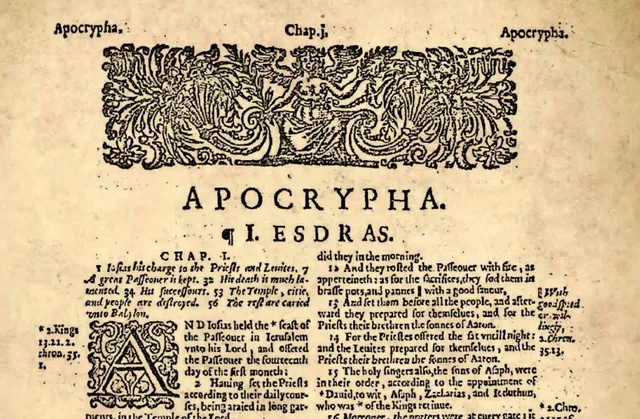
"Is the Bible meant to be taken literally or symbolically?" It's a question that has rippled through centuries of Christian thought and conversation. From early church fathers to contemporary believers, this question has shaped sermons, theological debates, and our personal times of devotion. Yet at its heart, it isn't simply an academic issue - it's about how we hear the voice of God when we open His Word. Do we read Scripture as a book of plain facts, or as a divine tapestry where truth is woven through symbol, story, and mystery?
The Living Word and the Listening Heart
Before we even begin to categorize the Bible as literal or symbolic, we must remember what it is: the living Word of God. Hebrews 4:12 reminds us that "the word of God is alive and active." It pierces, cuts, and reveals. Alive things cannot be reduced to tidy categories-they breathe, they move, they surprise us. The Bible, too, refuses to stay in the box we build for it.
That's why how we interpret the Bible isn't just a matter of choosing one method over another. It's about posture. It's about coming before Scripture with a listening heart, ready to be taught by the Spirit. Literal and symbolic readings aren't rivals; they are partners in Revelation. The Holy Spirit uses both to awaken truth that transforms us.
When the Bible Speaks Literally
There are moments in Scripture that demand a straightforward, historical reading. The Gospel accounts of Jesus' death and resurrection, for example, are not metaphors about "hope rising" - they describe a real tomb, a real stone, and a real Savior who conquered death. Without this literal truth, the symbolic power of the cross would collapse. Paul himself emphasized this in 1 Corinthians 15:14 - if Christ has not been raised, our faith is futile.
In other cases, the Bible speaks as plain narrative, inviting us into the story of God's dealings with humanity in time and space: the calling of Abraham, Israel's deliverance from Egypt, the rebuilding of Jerusalem's walls under Nehemiah. These are events anchored in history, and to read them only as figurative lessons would be to erase their rootedness in God's real-world faithfulness.
Literal Truths that Shape Our Faith
Literal interpretation grounds us. It reminds us that God acts in history, not just in hearts. It keeps our faith from drifting into abstraction. When God split the Red Sea or fed five thousand on a hillside, these weren't mere parables-they were divine disruptions, proof that heaven touches earth. Believing them literally is to affirm that the God of Scripture is the God who intervenes.
When the Bible Speaks Symbolically
And yet, reading the Bible only through a literal lens can leave us blind to its depth. Jesus, the greatest of all teachers, spoke in parables and images. "I am the vine," He said. "You are the branches." No one imagines we are made of wood and leaves. These are spiritual pictures, helping us grasp truths too immense for prose.
The prophets did this too. Ezekiel was shown dry bones rising to life; Daniel saw beasts rising from the sea. Revelation, probably the most debated book in Scripture, is rich with symbolic visions - a Lamb with seven horns, a woman clothed with the sun, a city adorned like a bride. These scenes are not fantasy; they are heavenly symbols expressing spiritual realities. They point beyond what the eye can see to what only the Spirit can reveal.
The Purpose of Biblical Imagery
God uses symbols because they bypass the intellect and awaken the imagination. They speak to places logic cannot reach. Jesus' parable of the prodigal son, for instance, does more than describe repentance-it lets us feel the Father's mercy. The image of the father running down the road tells us what no doctrinal definition ever could: love moves first, arms open wide.
Bringing the Two Together
To ask whether we should read the Bible literally or symbolically is like asking whether we should breathe in or breathe out. We need both. The literal roots us; the symbolic lifts us. The literal tells us what God did; the symbolic tells us what it means.
When Jesus healed the blind, that miracle was literal - a man who had never seen could now behold the sunlight. Yet it was also symbolic - light entering darkness, sight representing spiritual awakening. The miracle was factual, but it was more than a fact. It was a Revelation.
This dual layer appears throughout Scripture. Noah's ark was real wood and water-but faith sees it as a symbol of salvation amid judgment. David's throne was a tangible seat of power-but the prophets saw in it a shadow of Christ's eternal reign. The cross, a Roman instrument of torture, became the ultimate symbol of victory and redemption.
Why Interpretation Matters
Interpretation shapes our relationship with God. A purely literal approach can make Scripture seem rigid, reducing divine mystery to an instruction manual. A purely symbolic approach can make it vague, detaching faith from history until it floats away. Mature disciples learn to hold both in holy tension.
When believers read the Psalms, for example, we find both literal lament and enduring symbol. David's cry, "My God, my God, why have you forsaken me?" was real-uttered in agonizing isolation. Yet on Jesus' lips at the cross, those same words take on ultimate meaning. The literal moment becomes prophetic symbol fulfilled.
Listening in the Spirit
True interpretation isn't just about language-it's about relationship. Before the words of Scripture yield their treasures, they must first meet a spirit that's humble enough to listen. The Holy Spirit is the Interpreter of the Word He inspired. When we approach with faith, the same Spirit who moved the ancient authors begins to move within us, illuminating, convicting, comforting.
Reading with a Transformed Mind
Romans 12:2 invites us to be transformed by the renewing of our minds. That renewal happens as we read the Bible with prayerful expectation. We ask, "Lord, what are You saying-both in the literal and in the symbolic?" Sometimes He answers in plain instruction; sometimes in metaphorical whisper. Both are His voice.
Scripture isn't a puzzle to solve but a Person to encounter. When we read with reverence and openness, we don't control the meaning-we discover it. The Bible becomes a meeting place where God reveals His heart.
Practical Ways to Read Faithfully
So how can we live out this balanced approach in daily reading?
- Pray before you read. Ask the Holy Spirit to open your understanding. The same breath that inspired Scripture breathes through us as we read.
- Pay attention to genre. Historical books, poetry, prophecy, letters-they each invite a different mindset. Psalms sing truth; Genesis narrates; Revelation reveals through vision.
- Let Scripture interpret Scripture. When a passage feels confusing, look for where else the Bible addresses similar ideas. Often, the literal in one place explains the symbolic in another.
- Hold humility. Sometimes what seems symbolic is literal beyond our comprehension. Sometimes what feels literal hides layers of beauty. Leave room for wonder-and for God's mystery.
The Beauty of Both Worlds
Think of how Jesus described the kingdom of God: a mustard seed, yeast, hidden treasure, a pearl of great price. These are earthy, simple things-but they unveil eternal realities. The symbolic springs from the literal soil of life. That's how God speaks: through bread and vines, dust and breath, storms and stillness.
Likewise, when the Psalms describe God as a "rock" or a "fortress," it's not a denial of His personhood. It's a declaration in imagery: He is solid, reliable, unmoving. The symbol clarifies character. The literal experience of being sheltered in a fortress gives us language to describe divine refuge.
The Bible's power lies in its multi-layered truth. It doesn't need defending from symbol or literalism-it invites both, each enriching the other. The Spirit uses them together to paint a fuller picture of grace.
Faith That Lives Between the Lines
Perhaps the most faithful way to read Scripture isn't to choose sides but to live between the lines - the space where historical truth meets spiritual Revelation. In that space, God speaks personally. A literal miracle becomes a symbolic lesson for your current struggle. A prophetic vision becomes a real challenge to your worldview.
When you read about Peter stepping out of the boat, you know it happened on the Sea of Galilee. But you also know what it's like to be called beyond the safety of your own boat-to risk trust on trembling waters. The literal story becomes a mirror for the spiritual life.
Reverence, Mystery, and Encounter
So, how should we interpret the Bible - literally or symbolically? The answer, beautifully, is yes. We honor its literal truths because they reveal a faithful God who acts in history. We treasure its symbols because they reveal a creative God who speaks through story and image. Both dimensions lead us to worship, not merely understanding.
The Bible is God's living conversation with His people, unfolding across centuries yet speaking freshly today. When we read it prayerfully, we find that the literal and symbolic intertwine into one message: God is real, God is near, and His Word is alive.
May we approach each page with reverence and curiosity. May we let both the plain truth and the poetic image point us to Jesus-the Word made flesh, the literal and symbolic perfection of God's Revelation. And as we do, may Scripture not only inform us but transform us, until every story, metaphor, and command draws us deeper into the life that never ends.