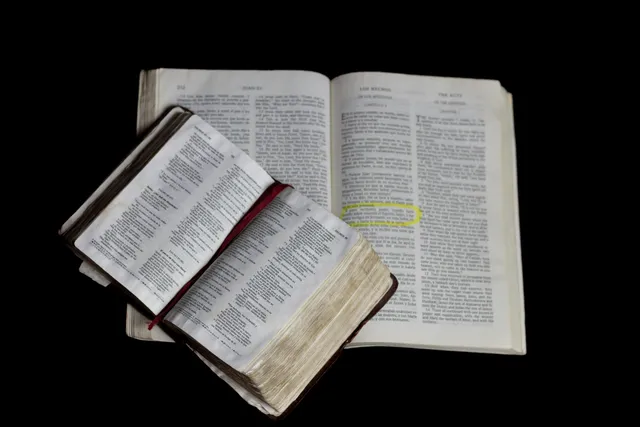
The Bible stands as one of the most studied, debated, and beloved books in human history. It has been printed more than any other text, translated into thousands of languages, and treasured by believers across the centuries as the living Word of God. Yet questions often arise: Can we trust the Bible as a reliable historical document? Are its stories mere myth, or does the evidence bear witness to truth? These are fair questions-but even more than that, they are essential ones, for our faith rests not on fables, but on a real God acting in real history.
The Bible's Claim About Itself
Before we examine evidence, we must understand what the Bible claims about itself. The Scriptures never present their message as myth or philosophy alone. From Genesis to Revelation, they assert a sacred history-God acting decisively in the world He created. "In the beginning, God created the heavens and the earth." (Genesis 1:1) is not a poetic guess; it is a declaration of origin and authority. Luke introduces his Gospel with an almost journalistic tone, saying he has written "an orderly account" based on careful investigation "so that you may know the certainty" of the things taught (Luke 1:3-4).
From Moses to Paul, the writers never treat their message as speculation. They claim to record what really happened-a story unfolding in specific times, places, and cultures. That claim, bold as it is, begs to be tested.
Manuscripts That Tell a Story
When we speak of historical reliability, one of the first questions to ask is: do we have accurate copies of the original writings? For most ancient texts, the surviving manuscripts are rare, scattered, and written centuries after the original composition. The Bible, however, is in a class of its own.
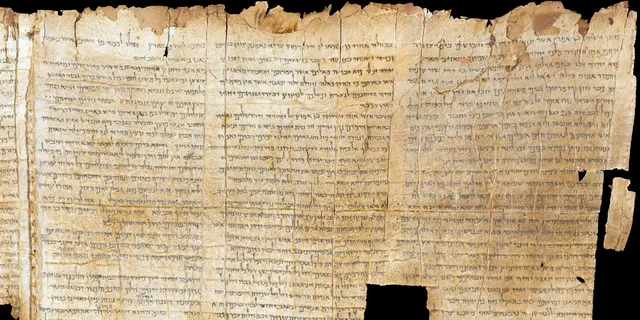
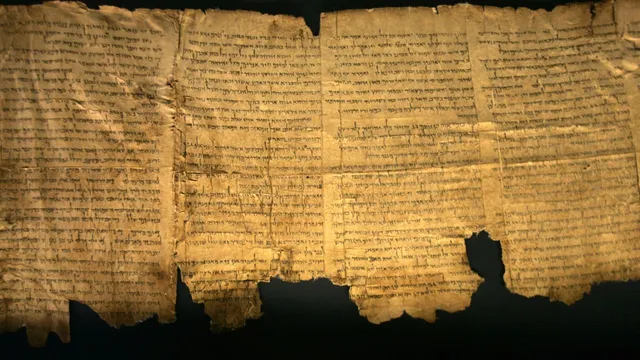
The New Testament, for instance, is preserved in over 5,000 Greek manuscripts, plus thousands more in other languages-completely dwarfing any other ancient work. The writings of Plato, Aristotle, and Caesar often survive in fewer than a dozen copies, some written a millennium after the author's lifetime. By contrast, many biblical manuscripts appear within decades of the originals. The discovery of the Dead Sea Scrolls further confirmed that the Old Testament text had been meticulously transmitted for centuries.
The takeaway is compelling: while no human copying process is perfect, the incredible abundance, consistency, and ancient proximity of biblical manuscripts give us a remarkably accurate window into the earliest texts.
Archaeology Unearths the Past
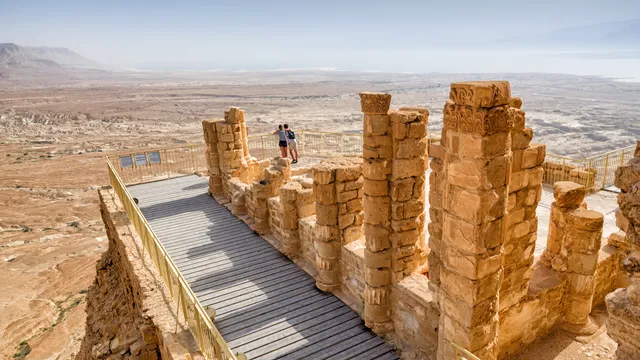
God does not leave His story buried only in words; He allows history and archaeology to whisper, "This happened." Over the past two centuries, archaeologists have unearthed evidence that directly or indirectly supports the biblical narrative. Cities once thought mythical-such as Nineveh and Jericho-have been uncovered. Inscriptions bearing the names of kings like Hezekiah and David have come to light. Clay tablets confirm long-ago customs described in Genesis. Even small discoveries, like a coin stamped with Pontius Pilate's name or ancient fishing boats dated to Jesus' time, ground the Gospels in real soil.
When Stones Confirm Scripture
In 1993, a discovery in northern Israel changed the conversation about King David. A fragment of a stone inscription-known as the Tel Dan Stele-was unearthed, containing an Aramaic reference to the "House of David." This provided the first archaeological mention of David outside the Bible. Similarly, the Pool of Siloam, where Jesus healed a blind man (John 9), was long thought lost; yet it was excavated in Jerusalem in 2004, precisely where the Gospel said it would be.
These findings do not merely serve to "prove" faith-they show the intertwined reality of God's word and human history. The stones cry out, not because they must, but because truth has a way of surfacing through time and evidence.
Historical Consistency and the Witness of Time
The Bible's credibility is not only in old manuscripts or archaeological trivia-it lies in its internal harmony over centuries. Composed by more than forty different authors over roughly 1,500 years, across continents and languages, the Scriptures tell one coherent and unfolding story of redemption. This alone is astonishing. Empires rose and fell, worldviews shifted, yet a consistent thread wove through: creation, fall, promise, redemption, and the hope of restoration.
No other collection of writings displays such unity amid diversity. The prophets of Israel echo the same moral truths that Jesus fulfills. History moves purposefully toward Calvary, then outward toward mission. The same God who called Abraham is the God who raised Christ. That continuity has persuaded countless scholars and believers that something divine orchestrates the text beyond human capacity.
The Role of Eyewitnesses
Another vital layer of reliability rests on testimony. The New Testament writers repeatedly appeal to eyewitnesses. Peter insists, "We did not follow cleverly devised myths ... but we were eyewitnesses of His majesty" (2 Peter 1:16). Paul names individuals still living at the time of his letters, inviting his readers to verify the facts. The Gospels themselves were circulated during the lifetime of those who could dispute them, yet instead we see the rapid spread of the message, even at great personal cost to those who proclaimed it.
Historians, whether skeptical or devout, note that a movement proclaiming a resurrected Messiah at the very place of His public execution could never have thrived if the tomb had not truly been empty. Something world-changing had happened-something rooted in history, not imagination.
Faith and Fact: Not Enemies, but Partners
Here we must tread with humility and wonder. The Bible's truth is not proved by archaeology alone, nor by textual evidence, nor by clever arguments. Faith is not built on data but on trust in a living Person. Yet the historical foundation gives faith a sure footing. When we realize that the events of Scripture occurred on the map of our own world-that Abraham's journey, David's kingdom, and Jesus' ministry unfolded in real time-we sense that our faith is not floating in abstraction. It is flesh-and-blood reality: God entering history to bring salvation.
Believers often rediscover this with renewed awe during pilgrimage. Standing at the Sea of Galilee or walking through ancient Jerusalem, one realizes the faith of the heart and the evidence of the eyes are not at war-they are in harmony. The God who acted then continues to act now.
The Living Reliability-Transformed Lives
Ultimately, the greatest evidence of the Bible's reliability is not just found in stone, parchment, or scholarly charts-it's found in the transformed lives of those who take it seriously. For centuries, broken hearts have opened its pages and found healing. Entire cultures have been reshaped by its calls to justice, mercy, and forgiveness. The same Word that spoke to wandering nomads and imprisoned apostles still speaks today, shaping ordinary people with extraordinary hope.
The Bible proves itself in daily obedience-when forgiveness conquers revenge, when generosity defeats greed, when love overcomes despair. None of this happens because of clever storytelling; it happens because the Author is still alive and His words still carry power.
Facing Today's Doubts
Our modern world often dismisses ancient texts as outdated or untrustworthy. Yet even skeptics who study the Scriptures may find themselves surprised by the rigor and reliability of what they discover. While not every archaeological question has been answered and not every mystery solved, the balance of evidence continues to affirm the Bible's deep historical rootedness. It portrays, not a mythic realm, but a recognizable landscape of human struggle, politics, empire, and divine encounter.
Faith does not fear scrutiny. The God of truth invites seekers to test, to look, to ask. Every generation faces its own challenges to trust-whether intellectual, moral, or cultural. But the invitation remains the same: "Taste and see that the Lord is good" (Psalms 34:8). That tasting, that encounter, leads us beyond data into devotion. The Bible's reliability is not only something we can study; it is something we can experience as its promises hold true in our lives.
The Word That Endures
History has tested the Bible more fiercely than any other book. Empires sought to burn it. Critics sought to discredit it. Yet it endures-stubbornly, triumphantly, lovingly. Every century, new discoveries shed light on its pages rather than expose their shadows. Every decade, new believers discover it to be not just reliable, but alive.
For the believer, this reliability is not a matter of pride, but of peace. We do not cling to Scripture out of fear that truth will slip away; we cling because it has proven itself faithful generation after generation. The same Lord who spoke creation into being, who guided prophets and apostles, who stepped into time and space in Jesus Christ, continues to preserve His Word for those willing to listen.
The Bible's historical reliability is ultimately the story of God's faithfulness. The same hands that carved commandments into stone have written His promises into human history-and into the human heart. We do not follow a philosophy detached from evidence, nor a myth divorced from fact, but a living Word anchored in the timeline of Earth yet reaching into eternity.
As we open its pages, may we remember: this is not merely the record of what was. It is the declaration of what is-the God who always keeps His word.