The Bible is not a haphazard collection of ancient writings; it is a carefully woven story of God's Revelation, purpose, and love. Yet, many believers admit that its organization can feel intimidating. Sixty-six books, multiple genres, two testaments, countless names and places-how can something so vast also be so intimate? Understanding how the Bible is organized doesn't just improve our study habits; it deepens our relationship with the One who spoke through its pages. To know how Scripture is arranged is to see the divine wisdom not only in the words themselves but in the way they're ordered.
The Beauty of Divine Order
God is a God of order. From the very first verses of Genesis-where chaos gives way to creation-to the final vision of Revelation, we witness a rhythm of design, purpose, and sequence. It makes sense, then, that the Bible, His written Word, would reflect that same order. The structure of Scripture is not random; it's theological architecture. Each section reveals something about God's redemptive plan, and together they form a unified story that stretches from Eden to eternity.
When we see that structure, our reading changes. We stop approaching the Bible as a collection of moral lessons or isolated histories and begin to see it as a living narrative-one that tells us who God is and who we are meant to be.
The Two Testaments: Promise and Fulfillment
At the broadest level, the Bible is divided into two great parts: the Old Testament and the New Testament. This division isn't accidental-it mirrors the unfolding of God's covenant relationships with humanity. The Old Testament is the story of promise, anticipation, and longing. The New Testament is the story of fulfillment, Revelation, and redemption.
In the Old Testament, God reveals His heart through His people, Israel. Through law, prophecy, poetry, and history, He unveils His holiness and the deep need for a Savior. In the New Testament, that Savior comes in the person of Jesus Christ, and everything that preceded Him suddenly finds its meaning. The two testaments, then, are not opposites but echoes-the Old Testament foreshadows what the New Testament reveals.
Old Covenant, New Grace
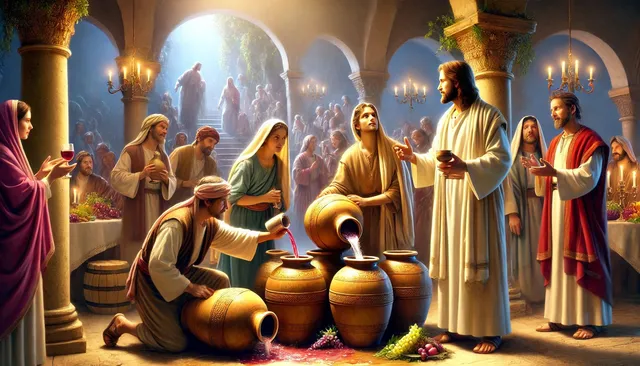
The word "testament" literally means "covenant." The Old Covenant, established through Abraham, Moses, and David, was rooted in promise and obedience. The New Covenant, inaugurated by Jesus at the Last Supper, is sealed by grace. Understanding that the Bible is structured around these covenants helps us grasp why the Scriptures hold together so tightly, even across centuries and cultures. This unity of promise and fulfillment is the heartbeat of biblical organization.
The Old Testament: Foundation Stones of Faith
The Old Testament contains thirty-nine books traditionally grouped into four main sections: the Law, the Historical Books, the Wisdom Books, and the Prophets. Together they form the foundation of God's redemptive story.
The Law: God's Covenant Begins
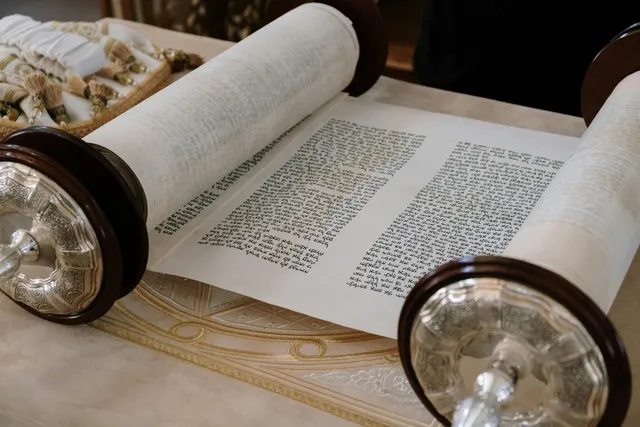
Genesis, Exodus, Leviticus, Numbers, and Deuteronomy-collectively called the Torah or the Pentateuch-lay the groundwork. Here we meet the Creator, the fall of humanity, the calling of Abraham, the liberation from Egypt, and the giving of the Law. The Pentateuch sets the stage for everything that follows; it's the skeleton on which the rest of Scripture hangs. Every promise, every prophecy, and every hope traces its roots back to these first five books.
History and Kingship
The historical books-from Joshua through Esther-tell how Israel moves from promise to possession. They record triumphs and tragedies, victories over enemies, and heartbreaking failures of faith. Through it all, one truth endures: God remains faithful even when His people do not. These narratives, while ancient, mirror the cycle of our own spiritual lives-faith, fall, repentance, and renewal.
Wisdom and Worship
The poetic and wisdom books-Job, Psalms, Proverbs, Ecclesiastes, and Song of Songs-offer a different rhythm. They teach us how faith sounds and feels. Here, our theology becomes poetry. The Psalms sing of joy and despair, Proverbs distills truth into life-giving counsel, and Ecclesiastes dares to ask the hard questions. In these books, we find our human voice meeting the divine Word.
The Prophets: God Still Speaks
The prophetic books, from Isaiah through Malachi, are both stern and tender. The prophets confront injustice, call sinners to repentance, and foretell the coming Messiah. They serve as the bridge to the New Testament-a crescendo of hope that builds toward the arrival of Christ. Their very place at the end of the Old Testament is intentional: the last word before the Word made flesh.
The New Testament: Fulfillment in Christ
If the Old Testament builds the stage, the New Testament raises the curtain. It begins with the Gospels-Matthew, Mark, Luke, and John-each telling the story of Jesus from unique perspectives, yet harmonizing in one truth: the Messiah has come. The Book of Acts continues the story, chronicling the early church's birth and expansion under the power of the Holy Spirit.
Then come the Epistles-letters written by apostles like Paul, Peter, James, John, and others-to instruct and encourage young churches. Finally, the Bible concludes with Revelation, a book of both mystery and promise, portraying the ultimate victory of God. The order reflects not just chronology, but spiritual progression-from the earthly ministry of Christ to the eternal reign of His Kingdom.
Four Portraits, One Savior
In the four Gospels, we don't merely read history; we encounter a Person. Matthew highlights Jesus as the long-awaited King, fulfilling Old Testament prophecy. Mark portrays Him as the Servant who suffers for redemption. Luke paints Him as the compassionate Savior of all nations, and John unveils Him as the eternal Word made flesh. Seeing these four accounts together reminds us that the gospel isn't fragmented-it's multifaceted, like a diamond showing different flashes of the same pure light.
The Hidden Harmony of Scripture
When we read the Bible with an understanding of its structure, we begin to notice its symphony of connections. The Law and the Prophets point forward to Christ; the Gospels reveal Him; the Epistles explain Him; Revelation exalts Him. The structure itself proclaims the gospel. It's no wonder Jesus said, "These are the Scriptures that testify about Me" (John 5:39).
Consider this: the story that begins with creation in Genesis ends with re-creation in Revelation. What begins with a garden ends with a city. What begins with exile ends in homecoming. The Bible's organization is, in truth, a narrative arc of redemption.
Why the Order Matters Spiritually
Understanding the Bible's structure helps our hearts as well as our minds. When we know where we are in Scripture, we see God's patience and persistence more clearly. We grasp that the story is still unfolding. It teaches us to wait, to trust, to remember that God's promises move from seed to harvest. In a world that thrives on instant results, the Bible's sweeping structure reminds us that divine timing is redemptive, not rushed.
Reading with New Eyes
Once we understand how the Bible fits together, reading it becomes a richer, more personal experience. The prophets' cries sound more urgent when we see them pointing toward Jesus. The Psalms of lament find new resonance when we remember that Christ prayed them, too. The epistles offer daily wisdom that grows from centuries of divine Revelation. Every page is part of one living conversation between God and His people.
This awareness also equips us for community. The Church, spread across generations and nations, is built on this shared story. When believers study the same Word-understanding not just what it says but how it unfolds-we find unity in purpose and clarity in hope.
Living the Story We Read
The Bible's organization does more than instruct; it invites. It invites us to trace God's promises, to stand in awe of His faithfulness, and to locate our lives within His larger story. We are not spectators reading ancient words-we are participants in the same narrative of grace. When the Spirit illuminates the Scriptures, He also arranges our lives with divine order, bringing clarity to our chaos and hope to our confusion.
As we open the Bible-book by book, testament by testament-may we never do so mechanically. Instead, let us marvel at the wisdom that placed every scroll and chapter in its appointed place. The same God who ordered the stars and orchestrated history has ordered His Word for our good and His glory. Understanding that divine design transforms the way we read, the way we believe, and the way we live.
The Order That Leads Us Home
The Bible's structure is like a sacred roadmap. From Genesis to Revelation, it leads us through the valleys of human sin, across the mountains of divine promise, and into the open gates of God's eternal kingdom. Its order is not merely historical-it is spiritual direction. The more we recognize the beauty of that design, the more we see our own lives reflected within it: chaotic creation made new by grace, exile turned to restoration, promise fulfilled in Christ.
So the next time you turn its pages, pause to notice the design beneath the words. Every prophet, every Psalms, every letter, every Revelation is a piece of God's story-and yours. The Bible is organized not merely to inform us but to transform us. It is structured so that, from beginning to end, every chapter whispers the same truth: God is writing redemption, and we are invited to live inside His story.