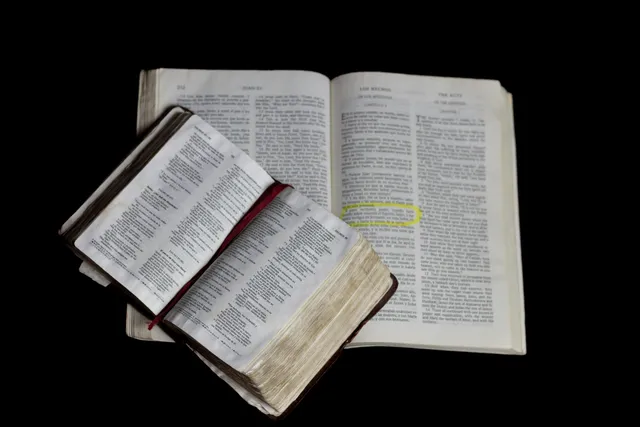
Every few months, a headline circulates claiming that "lost books of the Bible" have been found-texts hidden for centuries, full of secret teachings or forgotten stories. The words themselves spark curiosity: lost evokes mystery, while Bible evokes authority and trust. Together, they tug at something deep within us, a longing to know more about God, His people, and perhaps even what might have been left unsaid in the Scriptures we hold dear.
The Allure of the Unknown
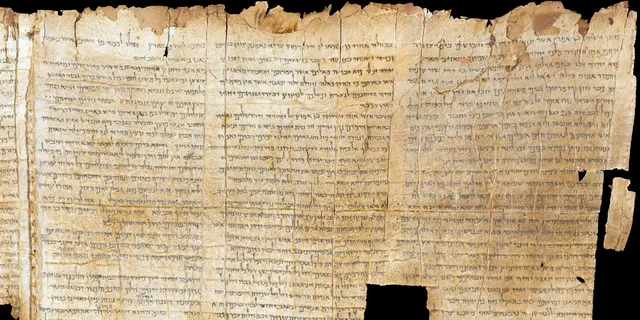
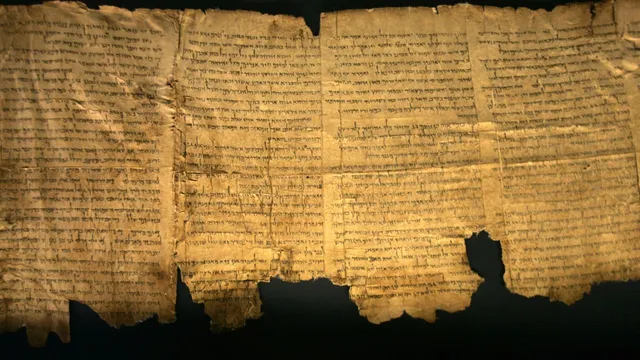
From the dusty deserts of Egypt to the vaults of forgotten monasteries, ancient manuscripts continue to surface, shaking the imagination of scholars and believers alike. Among them are writings attributed to apostles, prophets, or early Christian figures-texts like the "Gospel of Thomas," the "Book of Enoch," or the "Shepherd of Hermas." To many modern readers, these discoveries feel almost cinematic, like lost treasure suddenly unearthed.
But for Christians, curiosity must walk hand in hand with discernment. The question isn't just whether these books exist-but whether they belong. Why were they not included in the Bible we read today? And more importantly, what can we learn from their existence?
How We Got the Bible We Have
Before we understand what's "lost," we must remember what was found. The formation of the Bible was not a random gathering of holy writings, but a careful and prayerful recognition of those texts that were already considered sacred by the people of God.
In the Old Testament, the Jewish community had long recognized certain books as inspired - the Torah, the Prophets, and the Writings. By the time of Jesus, these were already revered Scriptures. Jesus Himself affirmed them, saying, "Everything must be fulfilled that is written about me in the Law of Moses, the Prophets and the Psalms" (Luke 24:44).
The New Testament, on the other hand, emerged in the first century from the witness of the apostles and their companions. Letters circulated among churches; Gospels were copied and shared. Over time, certain writings stood out because they bore clear apostolic authority, aligned with sound doctrine, and were edifying for worship. By the early centuries of the Church, the canon was recognized-not created-but recognized as the true Word of God.
What Were the "Lost Books"?
The phrase "lost books" is a bit misleading. Most of these texts were not truly lost; they were simply left out. Some were known and read widely in their time, but the Church eventually discerned that they did not carry the same divine authority as Scripture. Others emerged much later, claiming to fill in gaps or offer hidden knowledge (often called "Gnostic" writings).
Famous Examples
The "Gospel of Thomas," for instance, is a collection of sayings attributed to Jesus. Some sound familiar, echoing the tone of the canonical Gospels, while others diverge sharply, presenting a more mystical, secretive Jesus. The "Book of Enoch," revered in some Jewish circles and even quoted by Jude (Jude 1:14-15), offers vivid, apocalyptic visions about angels and the end times. The "Infancy Gospel of James" tells imaginative stories about Mary and the childhood of Jesus-beautiful in some parts, strange in others.
None of these were hidden by conspiracies or locked away by fearful bishops. They were, rather, carefully weighed and prayerfully set aside. The goal was not to suppress truth, but to preserve it. The Church was guided by wisdom and by the Spirit, seeking unity in what was clearly God-breathed.
Discerning Inspiration
How did early believers decide whether a book was inspired? They used several guiding questions: Was it written or approved by a prophet or apostle? Did it align with the already-known truth of God? Was it universally accepted and used in worship by the early Church community? And perhaps most importantly, did it bear the living imprint of the Holy Spirit?
The Apostle Paul spoke of Scripture as "God-breathed" (2 Timothy 3:16). Early Christians believed they could recognize that divine breath when they heard it. The same Spirit who inspired the text could attest to its truth in the hearts of the faithful. In this way, the canon was not built from the top down by councils but grew organically through use, reverence, and test of time.
Hidden Gospels and Modern Fascination
It's not surprising that the idea of "hidden" or "forbidden" gospels fascinates modern readers. We live in an age that loves secrets and alternative versions of history. Novels and films have portrayed shadowy gatherings where church leaders cut out inconvenient truths. But history tells a gentler story-one of faithful discernment rather than suppression.
By the time Church councils met in the fourth and fifth centuries to formally affirm the biblical canon, there was already broad consensus. The councils did not choose books so much as confirm what the Church had already embraced through centuries of practical devotion.
Yet our fascination with lost books reveals something about the human soul. It reminds us that we are endlessly curious about God, and perhaps also anxious that we might have missed something. Could there be a word of Jesus I've never heard? A story about His mercy I've never read? That longing, when directed rightly, is beautiful-it keeps us seeking Him more deeply in the Word we already have.
Echoes of Truth in Ancient Voices
While the lost books are not Scripture, they sometimes echo scriptural themes. The "Shepherd of Hermas," for instance, stresses repentance and forgiveness in ways that complement the New Testament. Some early Christians found these writings encouraging, much as we might find inspiration in the works of great Christian authors today.
We can treat these texts as historical windows-offering glimpses into how early believers wrestled with faith, persecution, and the mystery of God's grace. They are, if nothing else, evidence that the hunger for God's truth has always been profound.
Testing Everything by the Word
But we are also called to discern. The Apostle John urged, "Do not believe every spirit, but test the spirits to see whether they are from God" (1 John 4:1). The surest test remains the living Word of Scripture itself. When a text contradicts the Gospel-the incarnation, crucifixion, and resurrection of Jesus-it signals immediately that it does not belong among the inspired writings.
The Bible We Have-and the God Who Speaks
It is striking that, even without these "lost" texts, the Bible remains astonishingly rich and complete. It speaks of creation, rebellion, redemption, and hope. It unveils a God who walks with His people and redeems them through Christ. Nothing essential to salvation is missing. God has not left us in the dark; He has given us His Word as a lamp to our feet and a light to our path (Psalms 119:105).
In a way, the existence of lost books highlights this truth all the more. They show us that many have tried to grasp at mystery, yet the true voice of God continues to speak clearly through the Scriptures that have endured. Generation after generation finds life in the same pages-the Gospels, the Psalms, the letters of Paul, the acts of the prophets. The Word remains alive.
Living With Holy Curiosity
As believers, we don't need to fear curiosity. It's part of loving God with all our minds. But holy curiosity leads us not into endless speculation, but deeper into worship and obedience. The more we study the real Word, the more we see how complete it truly is. Nothing is lost that we truly need.
So, yes-read about the "lost books" if you wish. Learn their stories, see their context, and marvel at the intricate history of God's people preserving His truth. But let those studies return you to the Scriptures themselves with renewed reverence. Because while others search for hidden words, we hold in our hands the living Word made flesh-Jesus Christ Himself (John 1:14).
The Word That Was Never Lost
Every generation wonders if there is more to be found-some missing piece to make faith feel fuller. But the wonder of the Bible is that everything essential has already been given. The same Spirit that inspired its writing continues to illuminate its meaning within us today. What once was spoken through prophets and apostles now lives in every heart that listens.
Maybe that's the most precious lesson of all: God's Word was never truly lost. It cannot be buried by time or confusion because its Author still speaks. As Jesus said, "Heaven and earth will pass away, but my words will never pass away" (Matthew 24:35). So let us cherish the Scriptures-not as relics rescued from history, but as living letters of a God who loves, who reveals, and who is, even now, speaking.
And perhaps, when we open our Bibles tomorrow morning, we'll hear them afresh-not as old words from an ancient book, but as the very voice of the Lord who finds and restores everything that was ever truly lost.