What Is Sin According to Scripture?
We study key passages to see what sin is and why it matters.
Explore 113 articles about apologetics - Page 2 of 3
Discover our collection of carefully crafted articles focused on apologetics. These articles bring biblical wisdom to life and help you apply God's Word to your daily life.
We study key passages to see what sin is and why it matters.
We explain its imagery of the new Jerusalem and what it means for believers today.
This article explains biblical foundations for the Trinity and its meaning for our faith.
We explore its prophetic meaning and fulfillment in the New Testament.
This article unpacks Daniel 6, explains its historical background, and draws lessons about faith, prayer, and perseverance.
This article explains Babylon’s role in prophecy and its lessons for today.
This article surveys the role of prophets, their key messages, and their relevance today.

We explain how apostolicity, orthodoxy, and widespread use shaped the canon, and why certain texts were excluded.
A friendly introduction to manuscript evidence, textual criticism, and why modern translations can be trusted.
This article examines the transmission of the text and why its accuracy can be trusted.
We debunk myths, explain the decisions made, and highlight why Nicaea still matters today.
Explore what these scrolls contain, why they matter for understanding the Old Testament, and how they confirm the reliability of the text.
We explore biblical warnings about prosperity without faith, testing spirits, and seeking wisdom in discerning what truly comes from God.
We explain what “inspired” means, how the Spirit worked through human authors, and why this doctrine shapes trust, obedience, and worship.

We map where science asks the how and Scripture addresses the why, offer historic examples of integration, and share wise guardrails for study and faith.
We outline core themes across prophets, Gospels, and Revelation, offer a humble posture on debated timelines, and focus on faithful living now.
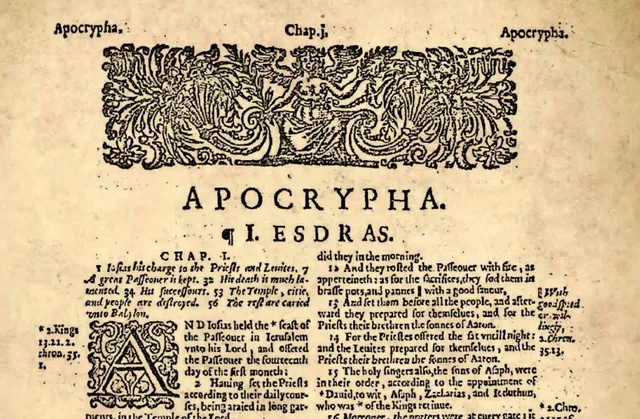
We explore Jewish and Christian use of these books, their themes, and how they shaped theology, devotion, and history—without being in all canons.

This article shows how genre, context, and purpose guide interpretation—helping you avoid extremes and read Scripture well.

We outline factors like translation, cultural background, denominational traditions, and hermeneutical approaches that shape how people read the Bible.

We compare translation philosophies, reading levels, and use-cases, with tips for pairing a daily reading Bible and a solid study Bible.
We compare canons, note major translation lines, and offer practical advice for reading across traditions with clarity and respect.

We review copying traditions, textual criticism, and historical evidence that shows remarkable stability across centuries.

We explain mentions of other writings in Scripture, survey notable extra-biblical texts, and offer guidance for reading them responsibly.

A clear overview of inspiration, canon formation, manuscript transmission, and translation—so you can see the Bible’s journey at a glance.

We highlight notable finds, explain what they do (and don’t) show, and give practical tips for reading archaeology news with discernment.

We outline key lines of evidence—early sources, multiple attestation, and external confirmations—showing how history and faith reinforce, not cancel, each other.
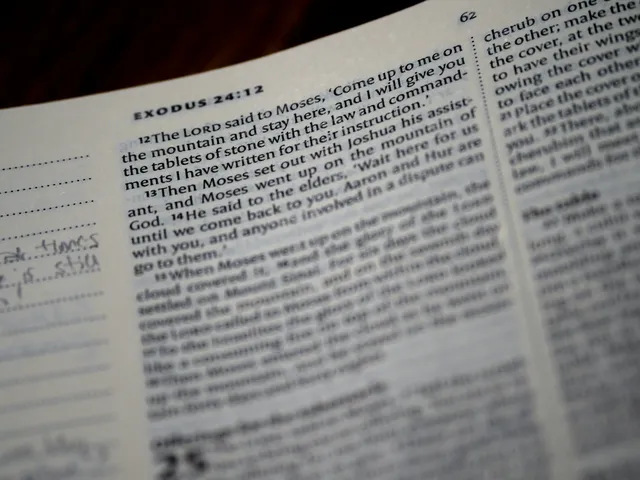
We walk through seven widely misread passages, showing literary and historical context, cross-references, and how to apply them without flattening the message.
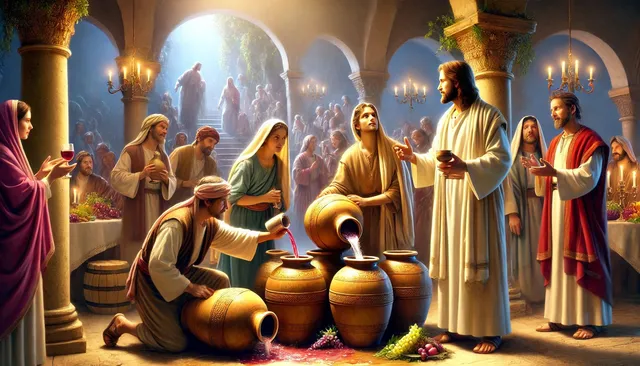
This piece explains how biblical authors frame miracles, how symbolism and history can overlap, and why the Gospels link wonders to Jesus’s identity and mission without turning them into spectacle.

We explain translation philosophies, manuscript issues, and practical tips for pairing a daily-reading Bible with a study Bible for deeper dives.
We trace what prophets did, how their messages fused warning and hope, and how New Testament writers read them—offering wise guardrails for modern conversations about prophecy.

This guide shows how Revelation’s apocalyptic language works, why it borrows imagery from the Old Testament, and how its visions call the church to faithful endurance, worship, and hope in Jesus.

This guide explains what the Bible is, how it is organized into Old and New Testaments, and why its structure matters for everyday reading. You will learn how the books fit together, what genres you will encounter, and how this helps you read with clarity and confidence.

Dynamic vs. literal? Reading vs. study? This piece explains why Bible translations differ, what philosophies guide them, and how to choose a version you will actually understand—and use.

Clear definitions, humble dialogue.

Pastoral, fair-minded guidance for thinking and living wisely in light of God’s sovereignty and our choices.
This article highlights divine names, attributes, and deeds across Old and New Testaments, showing how they form a rich picture of God’s nature.

Hope-filled answers without easy clichés.
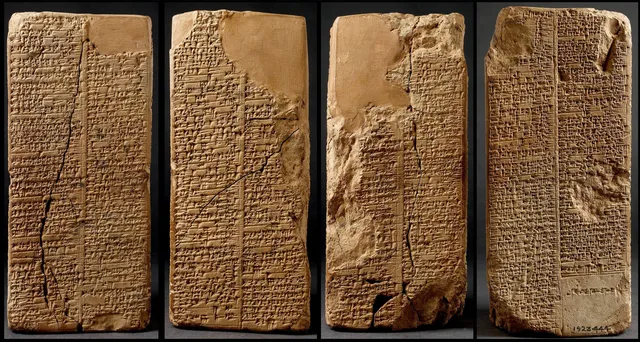
A survey of key finds and how to think about evidence and faith together.

Bring questions to God, Scripture, and community.

We map key texts and patterns that ground Trinitarian faith, and offer practical ways this doctrine deepens prayer, worship, and community life.