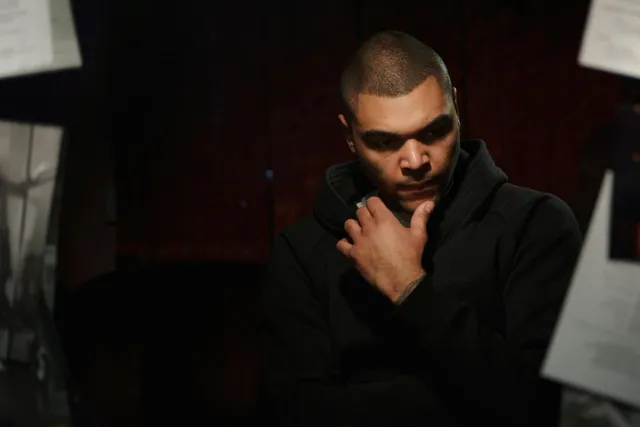
There are questions that echo through human history, and one of the loudest is this: Why do bad things happen to good people? It's whispered in hospital waiting rooms, shouted in moments of grief, and silently pondered when the news of tragedy hits someone we love-or us. We look to heaven for answers, but often find ourselves facing quiet mystery instead. Yet within that mystery, Scripture and faith offer treasures of wisdom and hope that can only be discovered through wrestling, weeping, and ultimately trusting.
The Weight of the Question
When suffering touches our lives, it feels personal. We replay our choices. We count our prayers. We recall the ways we've tried to serve God faithfully. Then we look at others who live carelessly yet seem untroubled, and something deep within us cries, "It's not fair." Even King David faced this ache: "For I envied the arrogant when I saw the prosperity of the wicked" (Psalms 73:3). But the Psalms doesn't end in bitterness-it ends in worship. David finds his footing again when he steps into God's presence and remembers that earthly ease is not the same as eternal blessing.
That moment of perspective is crucial for us, too. Faith does not erase the pain of what we don't understand, but it invites us to see it differently.
The Mystery of a Broken World
The Bible never denies that the world is deeply broken. In fact, it insists upon it. From the garden of Eden onward, human choices have rippled through creation, staining every relationship and physical system with the effects of sin. That means we live in a world where disease, disaster, and injustice are not anomalies-they are symptoms of a much deeper disorder. This doesn't make tragedy easier, but it clarifies the story we inhabit. We're not living in the world as God intended; we're living in the world as sin has distorted.
Paul describes creation as "groaning as in the pains of childbirth" (Romans 8:22), longing for the day it will be restored. That groaning is not meaningless-it's the labor of redemption already underway. So when bad things happen to good people, it's not a random glitch in an otherwise fair system. It's evidence that this life is not the final chapter. There's something better coming.
Not All Suffering Is Punishment
One of the most harmful ideas that sometimes grows unnoticed in our hearts is the belief that suffering is always a sign of divine displeasure. Even Job's friends made this error. When Job-called "blameless and upright" by God Himself-lost everything, his companions searched for hidden sin to explain it. But God rebuked them, making it clear that Job's suffering was not a punishment.
When God Trusts You With Suffering
There's a strange and beautiful idea tucked away in the book of Job: sometimes suffering is not a test to expose our weakness but a stage where God intends to display His strength through our faithfulness. Job never got clear answers about why he suffered, but he discovered something even better-God's presence was enough. In his pain, Job moved from knowing about God to knowing Him personally: "My ears had heard of You, but now my eyes have seen You" (Job 42:5).
Our own trials may hold a similar invitation. Each hardship may be whispering, "Come closer. See Me here."
The Redemptive Thread
When you trace the Bible's storyline, you notice something remarkable: God has a pattern of bringing beauty from brokenness. Joseph's betrayal landed him in prison, yet he could later say to his brothers, "You intended to harm me, but God intended it for good" (Genesis 50:20). Ruth lost her husband but found a place in the lineage of Christ. The apostles suffered persecution, but through their pain the gospel spread to the ends of the earth.
God doesn't waste anything-not our tears, not our confusion, not even our failures. He weaves them into His redemptive tapestry. What seems like senseless suffering today may one day be revealed as the soil of something miraculous.
The Suffering Savior
Perhaps the most profound answer to this question lies not in an idea but in a person: Jesus. He was the only truly good person who ever lived, and yet He suffered more deeply than any of us ever will. Betrayed by friends, mocked, beaten, crucified-He experienced the full fury of evil and injustice. But out of that darkness came the light of salvation. His cross stands forever as the ultimate proof that God can bring ultimate good from the worst possible evil.
God With Us, Not Just Above Us
Because of Jesus, we do not face suffering alone. He is not a distant deity watching from the heavens; He is Emmanuel-God with us. When our hearts break, His tears mingle with ours. When we groan in pain, He groans alongside us. Hebrews 4:15 reminds us that Jesus is a High Priest who sympathizes with our weaknesses. That solidarity transforms the experience of pain into a place of unexpected intimacy.
In Christ, suffering is no longer a mark of abandonment-it becomes a meeting place with divine compassion.
Choosing Faith Over Explanation
We often crave explanations because we believe understanding will bring peace. But Scripture calls us to something even deeper: trust. Isaiah 55:8-9 reminds us that God's ways are higher than ours. Faith means believing that even when we cannot see the whole picture, the Artist knows what He's painting.
Sometimes faith is quiet endurance; other times it's a trembling declaration: "Still, I will trust You." This kind of faith doesn't negate the questions-it holds them open before God and waits for His presence to fill the silence.
Finding Meaning in the Middle
There's purpose even in the process of waiting. Trials refine us, shaping our character and deepening our dependence on God. James wrote, "Consider it pure joy when you face trials of many kinds, because you know that the testing of your faith produces perseverance" (James 1:2-3). That's not a call to pretend everything is fine, but an invitation to live with eyes open for the ways God is growing us.
Many saints throughout history have testified that their greatest growth came not in seasons of comfort, but in the valley of affliction. Suffering has a way of stripping life down to what truly matters-love, grace, and the presence of God.
Hope as a Practice
Hope isn't naïve optimism; it's a chosen stance of the soul. It looks at the brokenness around us, acknowledges it honestly, and still says, "This is not the end." Romans 5:3-5 reminds us that suffering produces perseverance, character, and hope-and hope does not disappoint. Why? Because the love of God has been poured into our hearts through the Holy Spirit.
The Invitation Hidden in the Pain
What if our pain isn't just something to endure, but something that invites us deeper into God's story? Every heartbreak, every loss, every unanswered prayer can become a sacred doorway through which we encounter a greater understanding of His heart. Sometimes, our tears water the seeds of faith that will later bloom into ministry, empathy, and compassion for others.
Corrie ten Boom, who survived the horrors of a Nazi concentration camp, once reflected that "there is no pit so deep that God's love is not deeper still." Her testimony stands as living proof that even in the darkest circumstances, God's light is not extinguished-it's often revealed most clearly there.
When Heaven Makes Sense
The Bible never promises that we'll understand everything on this side of eternity. But Revelation 21:4 promises a day when God will wipe away every tear, and death, mourning, and pain will be no more. When we stand in the eternal presence of the One who sees all, the threads that looked tangled in our earthly view will form a perfect picture of grace.
Until that day, we live in hope. We love in faith. And we endure in the confidence that our Redeemer lives-and that nothing we suffer is wasted in His hands.
Living the Question With Faith
So why do bad things happen to good people? Perhaps the most honest answer this side of heaven is that we don't fully know. But we do know Who walks with us through every valley. We know that our Savior has already borne the worst of human suffering and turned it into resurrection. And we know that His grace is sufficient for us, even in the waiting.
When hardships come-and they will-remember that God does not measure love by the ease of our circumstances but by the depth of His presence. In that presence, we find strength for today and hope for tomorrow. The storms may rage, but His anchor holds. And someday, when faith becomes sight, all that once seemed senseless will shine with divine meaning.
Until then, may we keep walking in trust, holding to the promise that even when life breaks our hearts, God is making all things new.