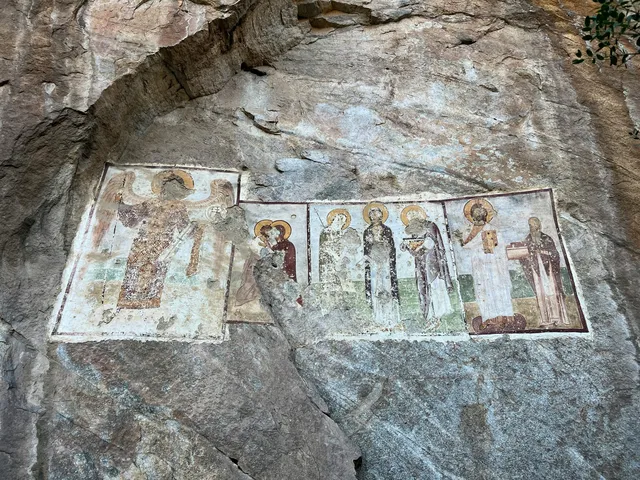
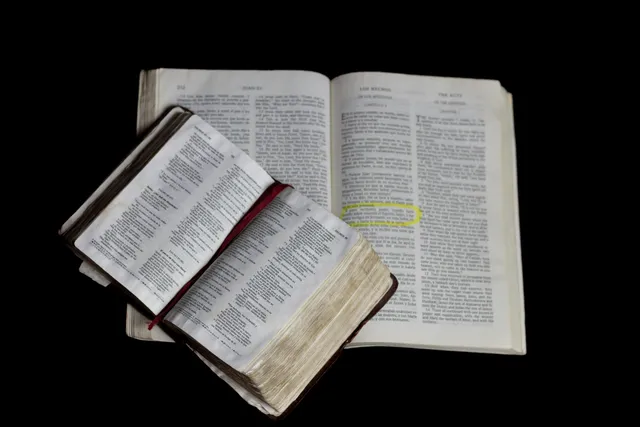
The story of how God's Word has been preserved through centuries is one of courage, devotion, and divine providence. It invites us into a quiet awe: how is it that these timeless words-spoken across deserts and prisons, copied by weary hands in candlelight, hidden under persecution, translated in faith-still reach us today, alive and unbroken? The history of Bible preservation is not just a story of ink and parchment; it is the story of a faithful God who guards His Word for every generation.
Ancient Beginnings: The Voice Written Down
Every story of preservation begins with a word-a moment when the eternal speaks into the temporal. For Israel, the first command to write came directly from God: "Write this on a scroll as something to be remembered" (Exodus 17:14). From that moment, Scripture was not merely oral testimony; it became tangible, inscribed truth. Scribes would painstakingly copy each letter of the Torah with reverence, counting spaces and strokes to ensure precision. To them, every letter was holy.
The earliest manuscripts of the Hebrew Bible were written on materials vulnerable to decay-papyrus, parchment, leather. Yet God's people took extraordinary care. When scrolls grew too worn, they were respectfully retired, sometimes buried, because the Name of God was too sacred to discard. It was a clear reflection of a deeper truth: what God spoke was not disposable.
The Miracle of the Dead Sea Scrolls
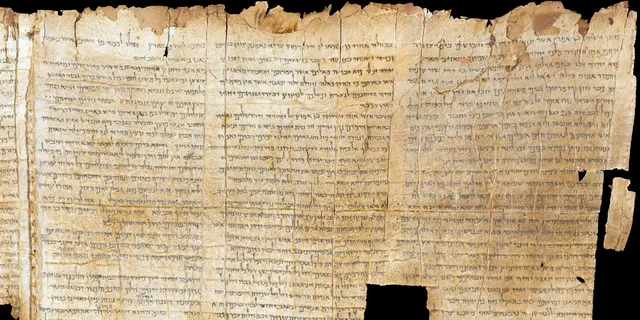
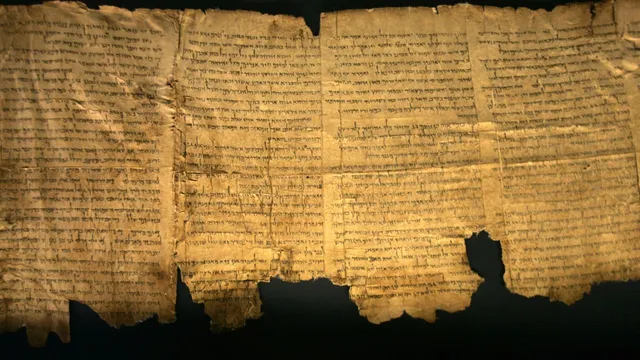
Then came 1947 and the discovery of the Dead Sea Scrolls-ancient manuscripts hidden for nearly two thousand years in desert caves. When scholars compared these fragments to the standard Hebrew Bible texts used today, the faithfulness of transmission was astounding. Scrolls dating to around 100 B.C. matched word for word with manuscripts copied nearly a millennium later. This was not luck or coincidence-it was evidence of a preserving hand at work.
The New Testament: Carried on Foot and Faith
When the apostles set out after the resurrection of Christ, they were not armed with printing presses or libraries. They carried hand-written letters and the fire of the Spirit. Paul's epistles circulated among the churches of Asia Minor, treasured and recopied by believers eager to share the good news. In dark prisons or candlelit gatherings, they read these letters as living words.
As Christianity spread, so did the need for faithful copying. Scribes in Antioch, Alexandria, Rome, and later Byzantium devoted their lives to the accuracy of each transcription. Errors did occur-minor slips of the pen, inversions of words-but with thousands of copies in existence, those small variations became visible, allowing scholars throughout history to compare and correct. The sheer abundance of New Testament manuscripts-over 5,800 in Greek alone-gives remarkable confidence that what we read today echoes the original truth. Never in the history of ancient literature do we find such careful and abundant preservation.
The Long Road Through History
The centuries following the early church saw both peril and progress. Empires rose and fell, yet the Scriptures endured. Roman emperors tried to destroy every copy. Libraries burned. Languages shifted from Greek to Latin, and then to the many dialects of Europe. Through every upheaval, believers risked everything to keep the truth alive.
Guardians of the Word: The Monks and Copyists
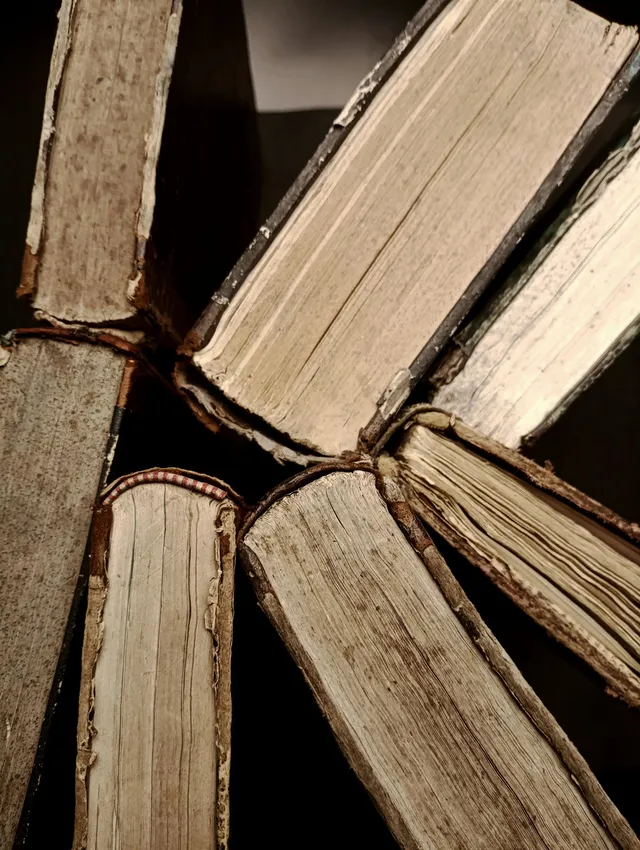
In the Middle Ages, monks in quiet monasteries became guardians of the Word. Hour by hour, they copied Scripture onto parchment, illuminating the pages with jeweled inks, gold leaf, and love. Though the setting was often humble, the work was holy. A single error might require an entire page to be redone. The work demanded devotion, not speed.
When printing finally arrived in the 15th century, it was as though God's timing opened a floodgate. Johannes Gutenberg's first major project-the Bible-stood not just as a technological marvel but a declaration: this Word belongs to all. From hand-copied scrolls to mass-produced pages, the preservation of Scripture entered a new era. The same Spirit who inspired prophets and apostles now inspired printers to spread the Word across continents.
Kingdoms, Translations, and Trials
With the Reformation came a cry for accessibility: that every person might read Scripture in their own language and meet God directly through His Word. William Tyndale risked-and gave-his life to translate the Bible into English. Before his execution, his dying prayer was, "Lord, open the King of England's eyes." Within a few years, that prayer was answered. The English Bible reached millions. The Word could no longer be chained to one language or one church.
Each translation carried fresh weight: how could words spoken in Hebrew or Greek convey the same life in English, French, or Swahili? The translators' aim was never perfection of diction, but faithfulness of meaning. God's message has never been trapped by vocabulary-it transcends it. And across the centuries, every faithful translation has become another thread in the tapestry of preservation.
Textual Criticism and Trust
Modern readers sometimes stumble over the term "textual criticism," imagining it a threat to faith. In truth, it is a tribute to it. This careful discipline compares thousands of manuscripts to ensure our modern Bibles reflect the original text as closely as possible. The presence of so many manuscripts-some ancient, some fragmentary-is not cause for doubt but confidence. It means that no single hand ever controlled the text. God's Word has always been communal, tested, and true.
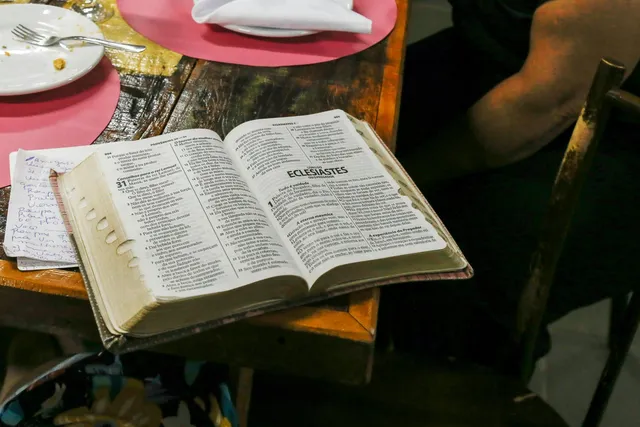
Today, when you hold a Bible in your hands, you are not holding a fragile relic of uncertain origin. You are holding the fruit of centuries of faithfulness-both divine and human. The history of preservation is the story of God's faithfulness mirrored in the faithfulness of His people.
Preservation Beyond Paper
The truest preservation of Scripture does not rest in ink or digital code, but in the hearts of believers. The psalmist wrote, "I have hidden your word in my heart that I might not sin against you" (Psalms 119:11). Every memorized verse, every lived truth, continues the cycle of preservation. When you teach your child a Bible story, when you encourage a friend with Scripture, you are participating in that preservation process that began on Mount Sinai and continues today.
Persecuted believers in underground churches still whisper verses in secret. Prisoners carve them into cell walls. Families in free nations recite them around kitchen tables. The same Spirit who once instructed Jeremiah to record God's words still works through human lives to carry that message forward. The preservation of Scripture is not merely historical-it is personal, spiritual, and ongoing.
Can We Trust the Text?
After centuries of copying, translating, and printing, can we really trust that the Bible we read reflects the one God gave? The evidence says yes with astonishing strength-and more than historical evidence, faith confirms it. Jesus Himself promised, "Heaven and earth will pass away, but my words will never pass away" (Matthew 24:35). That promise is not poetic exaggeration; it has proven itself across every generation.
What began as fragile scrolls carried in the wilderness has become a global library of manuscripts, translations, and hearts transformed. The survival of Scripture cannot be explained by mere human diligence. Empires could not erase it; time could not corrode it. Its endurance reveals a divine commitment-that the God who speaks truth will safeguard His truth.
The Living Word Today
Trusting the text means more than believing in historical reliability. It means believing that God continues to speak through it. When you open the Bible, you stand in a long line of listeners and transmitters-Moses, Ezra, Paul, Tyndale, unknown scribes, faithful translators, and countless readers whose hearts were lit by its words. You step into a lineage of preservation that spans continents and centuries.
In an age when information shifts daily, and words lose weight in seconds, the eternal constancy of Scripture feels almost rebellious. And perhaps that is the point. It reminds us that some truths are not up for revision.
Faith in the God Who Keeps His Word
When we ask, "Can we trust the text?" we are really asking, "Can we trust the Author?" History answers with a resounding yes. From dusty caves to glowing screens, from quills to keyboards, the same faithfulness holds. God has preserved His Word so that through it, He might preserve us.
So hold your Bible with reverence, not as an artifact but as a living testimony of divine promise. Let its pages remind you: the same God who kept these words safe across time will keep you safe in His love. In every season, through every trial, His Word endures-and so does His faithfulness.
"The grass withers and the flowers fall, but the word of our God endures forever." (Isaiah 40:8) It always has. It always will.