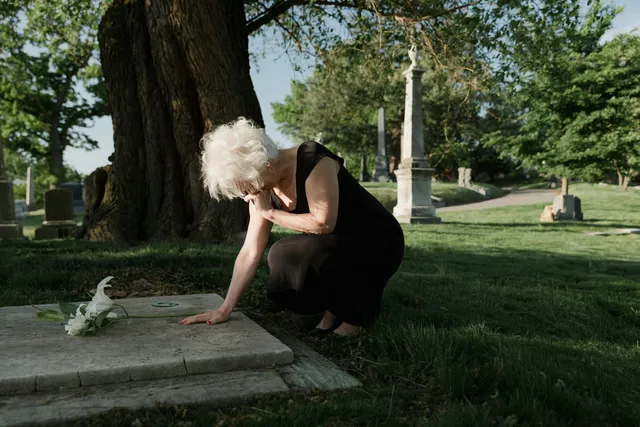
Doubt. It's the quiet whisper that creeps into the soul when our prayers seem unanswered, when tragedy strikes, when faith feels frail. For many believers, doubt feels like failure-a crack in the foundation of trust. Yet, the story of faith throughout Scripture tells another story. Doubt is not the opposite of faith; it's often the place where faith is refined, stretched, and made real. The question is not whether doubt will come, but what role it plays when it does.
The Uneasy Companion of Belief
Faith and doubt are twin travelers in the human heart. We often imagine faith as a bright light and doubt as a dark shadow-but take away the shadow, and the light loses its shape. To have faith at all means to trust amidst uncertainty, to believe though we cannot see. Doubt is woven into the very fabric of faith, not as its enemy, but as its tension and testing ground.
Consider the disciples who walked with Jesus day after day. They watched Him heal the sick, command storms, and feed multitudes. Yet, when He spoke of suffering and resurrection, confusion clouded their understanding. Even after His resurrection, we hear the hauntingly honest note in Matthew 28:17: "They worshiped Him; but some doubted." Faith and doubt stood side by side, even on the mountain of glory.
When Doubt Draws Us Nearer
It is tempting to view doubt as a detour away from God, but often it becomes a doorway toward deeper encounter. The moment we admit our questions, we stop performing a version of faith we think we're supposed to have-and start pursuing the God who meets us in our questions.
Thomas: The Believer Who Needed to Touch
Thomas has long been remembered as "the doubter," but perhaps unfairly so. His story in John 20 is less about skepticism and more about longing. Thomas wanted to believe; he simply needed something real to hold onto. When Jesus appears and invites him to touch His wounds, there is no reprimand. There is only understanding. "Stop doubting and believe," Jesus says-not as rebuke, but as invitation. Thomas' response, "My Lord and my God," is not the cry of a skeptic; it is the confession of a faith that has been made personal.
Through Thomas, we see that doubt can become a holy place of encounter-a place where Christ reveals Himself not in theory, but in truth. Doubt, when honestly faced, often leads us to a clearer vision of who God is.
The Psalms: Sacred Honesty
The pages of the Psalms are wet with the tears of doubt. "How long, O Lord? Will You forget me forever?" cries David in Psalms 13. These are not sanitized prayers; they are raw, questioning outbursts of a heart struggling to make sense of pain. Yet, even as David questions, he still turns to God. That's the miracle. His doubt doesn't pull him away; it pulls him deeper into conversation with the Almighty.
Faith that cannot be honest about doubt is fragile faith. The Psalms give us permission to pray our confusion, to bring our fears into the open. They remind us that God is not threatened by our honesty-He invites it. Prayer was never meant to be performance, but relationship. And relationships thrive in truth, even when that truth is tangled with questions.
Faith Tested, Not Tattered
Scripture does not hide the stories of great saints who wavered. Abraham laughed at the idea of fatherhood in his old age. Elijah, fresh from calling down fire from heaven, fled into the wilderness and begged to die. John the Baptist, who declared Jesus "the Lamb of God," later sent word from his prison cell, asking, "Are You the One, or should we look for another?" (Matthew 11:3). Each of these giants of faith faced moments of uncertainty-yet in those moments, their faith grew not smaller, but deeper.
Faith without testing is like metal never forged-it may look strong, but it cannot bear weight. Doubt applies the heat. In that furnace, we are driven back to the God who called us. Sometimes all that remains is trust that He is still good, still near, still God. And that is where true faith begins.
The Voice Behind the Silence
Every believer knows seasons of silence. You pray, but Heaven seems quiet. You search for a word and find none. These are the places where doubt gains its strength. Yet it's in those silent spaces that faith learns to listen differently. Elijah encountered this in the cave on Mount Horeb-expecting God in the wind, earthquake, or fire, but hearing Him in the gentle whisper that followed (1 Kings 19:11-13). That whisper wasn't loud, but it was real-and it changed everything.
Faith matures when it no longer depends on constant reassurance, but still holds when God seems hidden. The silence, painful though it is, becomes the soil where a deeper trust grows. What once was a wavering question can transform into unshakeable confidence: I have seen enough to know He is faithful.
The Difference Between Doubt and Unbelief
It's crucial to distinguish between doubt and unbelief. Doubt asks, "Can this be true?" Unbelief says, "I refuse to believe it." Doubt wrestles; unbelief walks away. The first may tear at the edges of faith, but the second tears at its roots. God meets the doubter with compassion and patience, but warns against a hardened heart that will not receive truth.
James cautions that "the one who doubts is like a wave of the sea, blown and tossed by the wind" (James 1:6). Yet that warning is not meant to shame us for questioning; it's a call to anchor ourselves again in God's character. When doubts swirl, stability comes not from answers but from attachment-to cling to Christ Himself, even when clarity is out of reach.
Living With Questions
In this life, some questions will remain unresolved. Why did the tragedy happen? Why wasn't the healing granted? Why the waiting? Faith does not mean we stop asking; it means we trust God even as we continue to ask. Faith is not the absence of questions, but the presence of Someone greater than our questions.
From Fear to Formation
Doubt can feel like a storm threatening to undo us-but sometimes, it's really a storm that reveals what we're made of. The disciples in the boat, terrified by waves, cried out when Jesus seemed asleep. Yet out of that fear came a Revelation: "Who is this? Even the wind and the seas obey Him!" (Mark 4:41). Without the storm, they might never have seen His authority so clearly. Likewise, our doubts and fears, when surrendered, can become catalysts for Revelation.
God does not waste our doubts. He transforms them into deeper dependence and renewed strength. Like roots that grow stronger after wind shakes the tree, our trust in Him deepens after the gusts of uncertainty.
Doubt in the Day-to-Day
Most of us won't face dramatic crises of faith every week. Doubt creeps in smaller ways-when prayers feel routine, when work feels meaningless, when loneliness lingers. It's easy to think our faith should be constant enthusiasm, but real faith includes the quieter, more ordinary struggle to keep believing when no one's watching. Even then, God is at work in our wrestling.
In those mundane moments, faith looks like persistence-choosing to pray, to worship, to keep showing up. Jesus did not promise a faith free from struggle, but He did promise His presence. The regular practice of trusting Him in small uncertainties builds the endurance to face greater ones. Every time we act on faith despite feeling doubt, we testify that our confidence rests not in our emotions but in His constancy.
From Doubt to Deeper Love
At its best, doubt invites humility. It reminds us that we are not God, that our understanding is partial, and that faith is not a possession but a relationship grounded in mystery. When doubt drives us to listen, learn, and love more deeply, it becomes a gift of grace.
The apostle Jude encourages believers to "be merciful to those who doubt" (Jude 1:22). That mercy extends inward, too. We can show compassion to our own hearts when we falter, trusting that God is not measuring our worth by the steadiness of our certainty, but by the sincerity of our pursuit.
A Faith That Endures
In the end, doubt doesn't have to destroy faith-it can refine it. What once felt like breaking may actually be reshaping. Every believer's journey includes seasons of questioning; what matters is what we do with them. Will we let doubt isolate us, or will we let it draw us closer to the One who alone can satisfy our questions?
Faith is not a straight line; it's a life-long conversation with God. And doubt, when surrendered, becomes one more voice in that conversation-another way the heart reaches toward its Maker. Through it, God teaches us to trust not in perfect understanding, but in His perfect love.
The Grace of a Questioning Heart
Doubt is not the end of belief; it is often the beginning of a deeper one. Like a seed that must split before it grows, faith sometimes breaks before it blossoms. When you find yourself wondering if your faith is failing, perhaps it is only changing shape, growing more honest, more seasoned, more real.
Remember this: Jesus never turned away a questioning heart. He met Thomas's doubts with presence, Peter's fears with grace, and our own failures with forgiveness. When your heart trembles, you can whisper what the father of the troubled boy once said: "Lord, I believe; help my unbelief." In that simple, trembling prayer, faith and doubt hold hands-and God calls it enough.
So let us not fear our doubts. Let us bring them, in honesty and humility, to the One who never changes. For in His presence, even our questions can become worship, and our uncertainty, a pathway to unshakable trust.