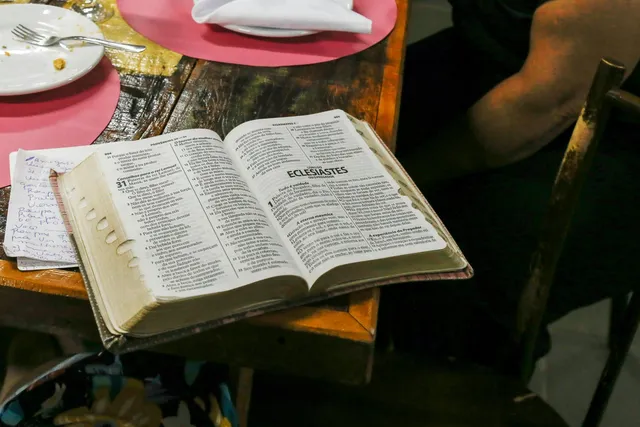
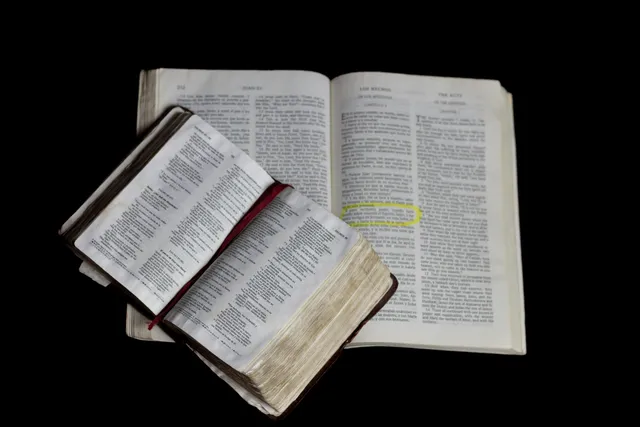
It's early morning. A cup of coffee steams beside an open Bible. The words on the page-ancient, holy, living-seem to whisper through centuries of human history. And yet, a question lingers quietly in the back of the mind: How do we know these words are the same ones that were first written? How accurate is the Bible we hold today?
The Fragile Strength of Ancient Manuscripts
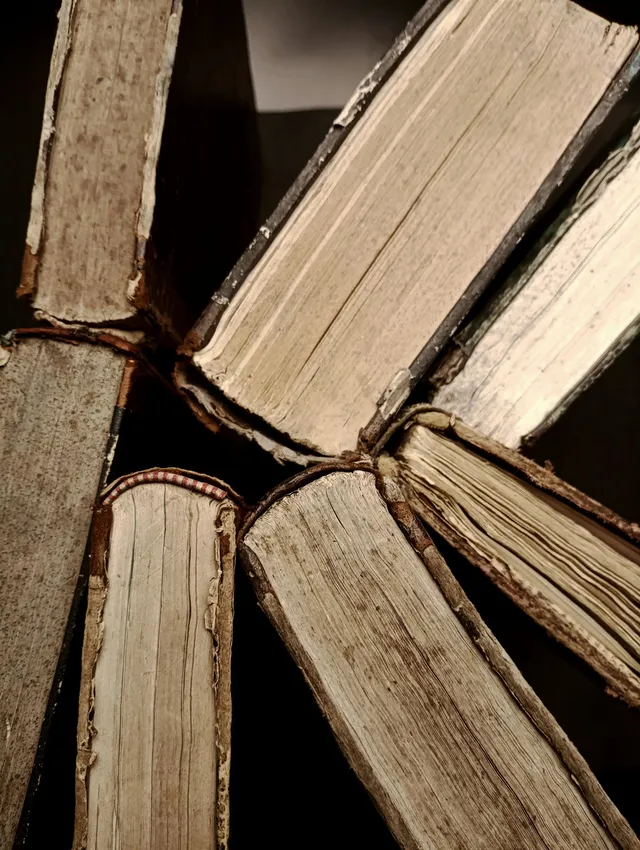
For thousands of years, the Scriptures have traveled through time-copied by hand, translated into new tongues, hidden, found, preserved, studied, and loved. Unlike digital records we can back up and store on servers, ancient texts depended upon the faithful work of human hands. Each stroke of ink upon parchment carried profound responsibility. Mistakes could mean more than an error-they could mean altering the sacred Word of God. And yet, preservation is precisely what happened.
The Bible is, quite simply, the most meticulously transmitted document in all of ancient history. Between the Old and New Testaments, scholars have access to thousands upon thousands of manuscripts-some fragments, some nearly whole. When compared across centuries and languages, those copies reveal a remarkable consistency that has silenced many doubts and inspired awe in many hearts.
Echoes from the Caves of Qumran
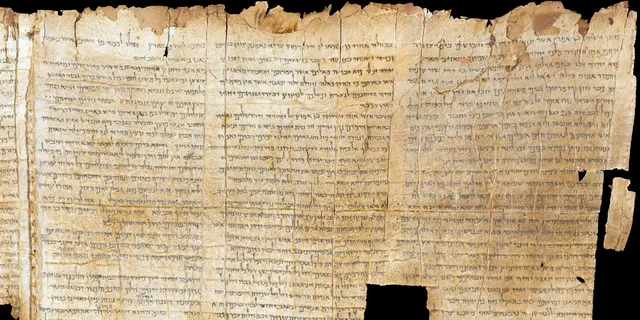
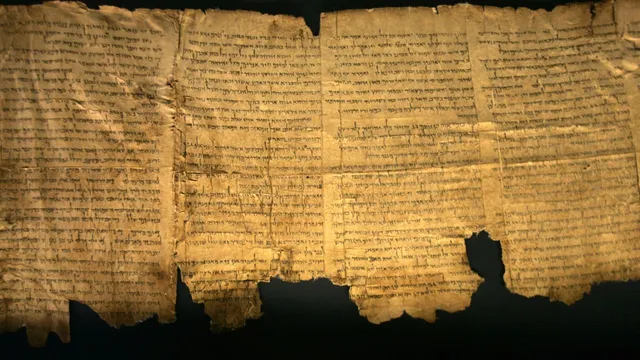
In 1947, a young Bedouin shepherd chasing a stray goat stumbled into a cave near the Dead Sea. Inside, he found clay jars containing scrolls-ancient manuscripts that had not been touched for nearly two thousand years. Those scrolls became known as the Dead Sea Scrolls, and they forever changed our understanding of how faithfully the Scriptures had been preserved.
Among the scrolls was a nearly complete copy of Isaiah, written around 100 BC. When that copy was compared with the next oldest version-produced more than a thousand years later-the match was astonishing. The text was virtually identical, word for word, save for minor spelling differences and slight variations that did not change meaning. It was as though time itself had bowed in reverence before the faithfulness of God's Word.
Faithful Scribes and Divine Providence
Jewish scribes were known for their painstaking dedication. Every letter was counted; every line was checked. If a mistake was found on a scroll, the entire section could be discarded. They weren't copying mere literature-they were handling what they believed to be the voice of God. That reverence shows. The survival of Scripture through exile, persecution, and centuries of wear and war is nothing short of miraculous.
"The grass withers, the flower fades, but the word of our God will stand forever." (Isaiah 40:8) The scroll from Qumran proved not just academic reliability but divine promise. The same God who inspired the Word also preserved it.
The New Testament: A Web of Witnesses
If the Old Testament shows divine preservation, the New Testament displays overwhelming evidence through sheer numbers. There are more than 5,000 Greek manuscripts of the New Testament known today, with tens of thousands of translations in other ancient languages like Latin, Coptic, and Syriac. When compared against one another, these documents form an intricate web of witness. No other ancient text comes close-not Homer, not Plato, not Caesar's writings. Where other works have handfuls of copies, the New Testament has a small library.
Most textual differences among those manuscripts are spelling variants, grammatical quirks, or minute stylistic changes. They don't alter meaning or core doctrine. When modern translators sit down to produce our contemporary Bibles, they aren't guessing; they are weighing thousands of witnesses that overwhelmingly agree. The message stands clear, consistent, and trustworthy.
From Papyrus to Pages
In the first century, believers didn't have neat leather-bound Bibles. They had scrolls, letters, sometimes hastily copied fragments shared among small house churches. A congregation in Ephesus might have Paul's letter, while believers in Corinth had one of their own. To build a fuller understanding, they would share, copy, and circulate these writings. Each stroke of pen was an act of devotion.
Think of it-before printing presses, before email or digital files-people loved the Scripture enough to preserve it by hand. Every copy represented passion, sacrifice, and the burning conviction that these words were life itself. Jesus had promised, "Heaven and earth will pass away, but My words will never pass away" (Matthew 24:35). His followers took that promise seriously.
Can We Trust Our Modern Bible?
When we open a Bible in English-or any language-we are reading a text that has passed through millennia of faithful stewardship. Modern translations, including the most respected ones, rely on vast databases of ancient manuscripts, archaeological discoveries, and linguistic research. Translation committees include believers and scholars from many denominations, cross-checking accuracy and meaning.
Modern translation is more about transparency than alteration. Behind every verse is a footnote explaining alternate readings, manuscript notes, or source differences. Far from hiding uncertainty, modern translators open the windows wide so that every reader can see just how carefully the text is handled.
Faith and Language
Of course, different translations may sound a bit different-each reflecting language shifts and stylistic preferences-but the message remains unified. Whether you read the King James Version with its poetic grandeur, the ESV with its precision, or the NIV with its clarity, you're encountering the same gospel. None of the core truths change: Christ came, lived, died, and rose again for the salvation of humanity. Grace, redemption, love, and hope speak across every language barrier.
The Handprint of God Through History
It's not just human diligence that preserved Scripture-it's divine orchestration. Every discovery, every archaeological find, every scribal record reflects a deeper truth: God has always been watching over His Word. What looks fragile on parchment turns out to be iron in spirit.
From the clay jars of Qumran to the smoky lamp-lit rooms of medieval monasteries, from missionary translation efforts to digital Bible apps, the same current flows: God's Word endures. The world changes and languages evolve, but truth does not. The same Spirit who inspired the prophets and apostles continues to breathe through those words today, awakening faith, convicting hearts, healing wounds, and calling people home.
Living Words, Not Just Ancient Texts
Sometimes we approach Scripture as though it were a museum piece, precious but untouchable. Yet the Bible resists being merely studied-it insists on being lived. These ancient words reach forward through time, inviting us not only to inquire about accuracy but to respond with obedience. When the psalmist declared, "Your word is a lamp to my feet and a light to my path" (Psalms 119:105), he wasn't referencing academic precision; he was describing living guidance.
Still, the accuracy of the Bible deepens that experience. It means that the lamp we follow shines the same light believers followed thousands of years ago. Their faithfulness to preserve the Word has become our blessing to receive it.
A Personal Reflection: The Word That Remains
Imagine holding a manuscript from two thousand years ago-fragile, ink faded, corners crumbled. You would be touching history's heartbeat. Each letter would represent both divine Revelation and human devotion. And then realize: every time you read your own Bible, in your language, in your hands, you're holding that same divine heartbeat-faithfully carried forward.
We are not so far removed from the first readers as we think. The God who spoke then still speaks now. The same Spirit who hovered over scribes, guarding their task, now hovers over readers, guiding their understanding. That connection across time is one of the marvels of faith-the living Word knitting together generations in one conversation of grace.
Faith in a Faithful Word
So, how accurate is the Bible we read? Historically, astonishingly accurate. Spiritually, eternally trustworthy. The evidence from manuscripts confirms it; the experience of millions testifies to it. But accuracy, while vital, is not the end of the story-it's the doorway. The reliability of Scripture invites not just confidence in history, but surrender in heart. Because God didn't just preserve a book; He preserved a message: You are loved. You are redeemed. You are called.
As you open the Bible tomorrow morning-coffee steaming, sunrise glowing-remember this: those pages carry the footprint of centuries, the devotion of saints, and the breath of God Himself. The Word you read is not a relic. It's a living promise, steady and sure, calling you to trust the God who not only spoke His truth, but kept it safe for you.
"Forever, O Lord, Your word is firmly fixed in the heavens." (Psalms 119:89)