What Are the Apocrypha and Why Aren’t They in All Bibles?
We explore Jewish and Christian use of these books, their themes, and how they shaped theology, devotion, and history—without being in all canons.
Explore 83 articles about history - Page 2 of 3
Discover our collection of carefully crafted articles focused on history. These articles bring biblical wisdom to life and help you apply God's Word to your daily life.
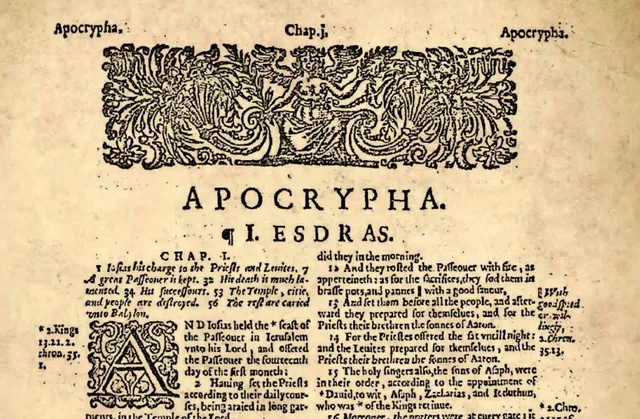
We explore Jewish and Christian use of these books, their themes, and how they shaped theology, devotion, and history—without being in all canons.

We explore Hebrew, Aramaic, and Greek, how each shaped biblical books, and how language choices affect interpretation today.
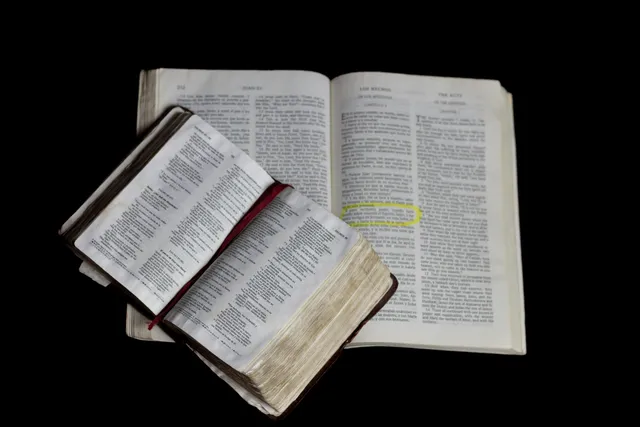
We compare canons, note major translation lines, and offer practical advice for reading across traditions with clarity and respect.

We review copying traditions, textual criticism, and historical evidence that shows remarkable stability across centuries.

We explain mentions of other writings in Scripture, survey notable extra-biblical texts, and offer guidance for reading them responsibly.

A clear overview of inspiration, canon formation, manuscript transmission, and translation—so you can see the Bible’s journey at a glance.
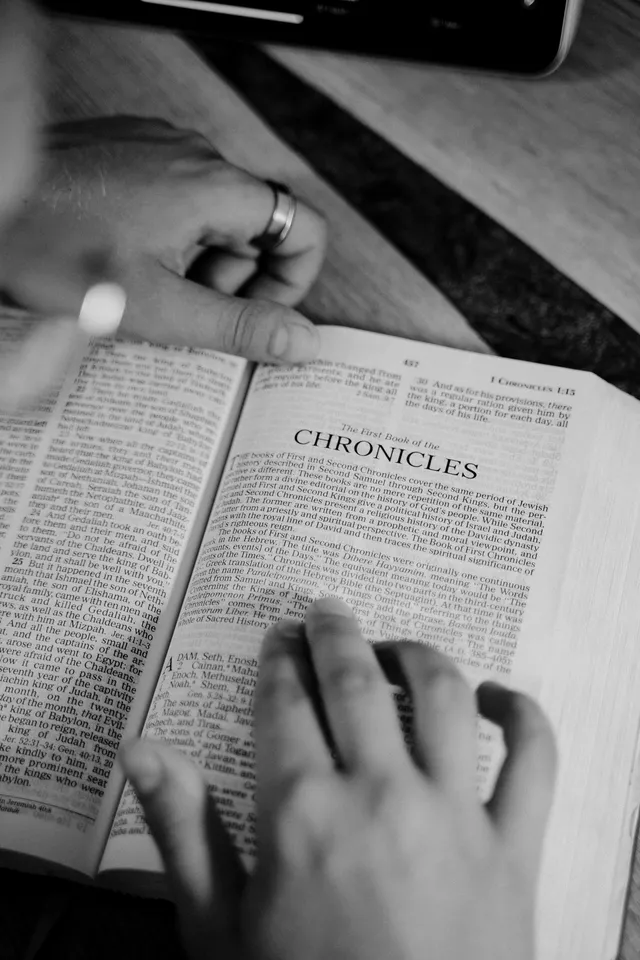
We outline the role of the Septuagint and Vulgate, explain naming differences, and give tips for reading “Part 1/2” books as one continuous story.

We highlight notable finds, explain what they do (and don’t) show, and give practical tips for reading archaeology news with discernment.
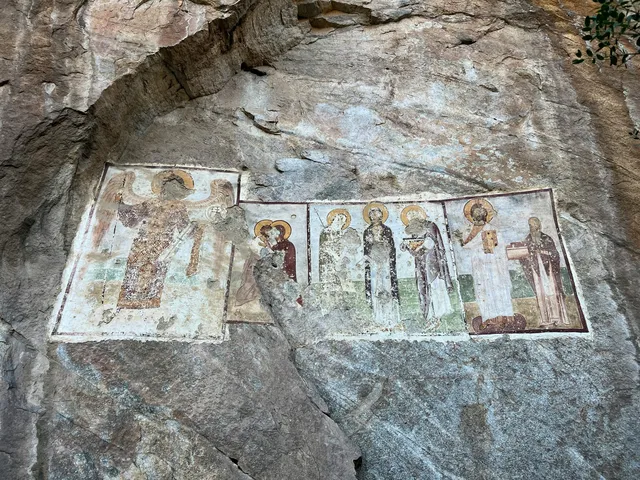
We outline key lines of evidence—early sources, multiple attestation, and external confirmations—showing how history and faith reinforce, not cancel, each other.

We compare context, calling, message, and impact—showing continuity, contrast, and why both leaders matter for Christian identity.
From Deborah and Ruth to Mary and Priscilla, we trace context, contribution, and practical lessons for leadership, service, and resilience.
We show how biblical genealogies structure stories, preserve identity, and connect key themes—from Abraham to David to Christ—so readers see continuity instead of skipping the page.
This article retells the Exodus story and shows why it is central to the Bible’s message of redemption. Learn how God confronts oppression, rescues His people, and reorders their lives around His presence and promise.

This article surveys the human authors of the Bible, the time periods they wrote in, and the historical settings that shaped their messages. See how poetry, prophecy, history, and letters form one unified story of redemption.
A calm, historical overview with key terms explained.
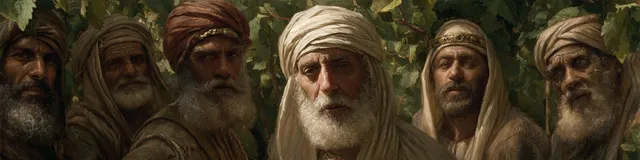
Timeless calls to covenant care and community justice.

From covenants to promises, this article compares the Old and New Testaments in clear terms. Learn how law and grace relate, how prophecy points forward, and why the two Testaments unite into one story centered on God’s redemption.
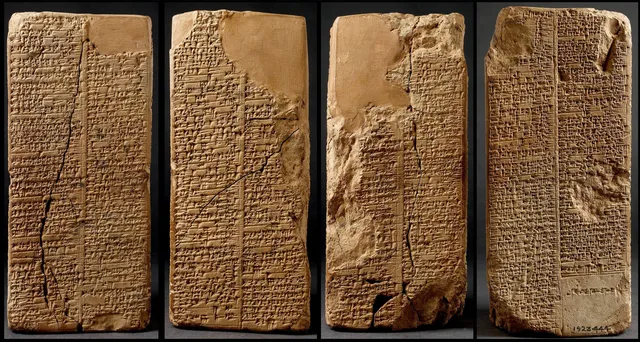
A survey of key finds and how to think about evidence and faith together.

Why Christians believe Scripture is reliable, inspired, and relevant.
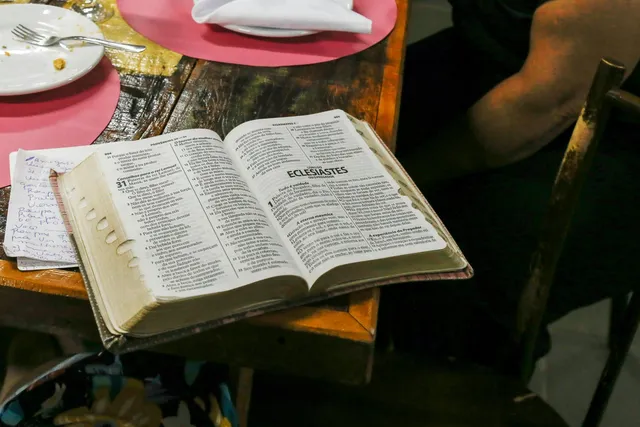
We outline criteria like apostolicity and widespread use, clarify common misconceptions, and point to key moments in canon recognition.
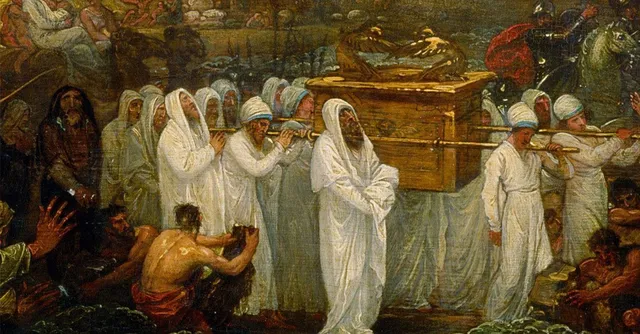
We explore the Old and New Covenants and what they mean for faith today.
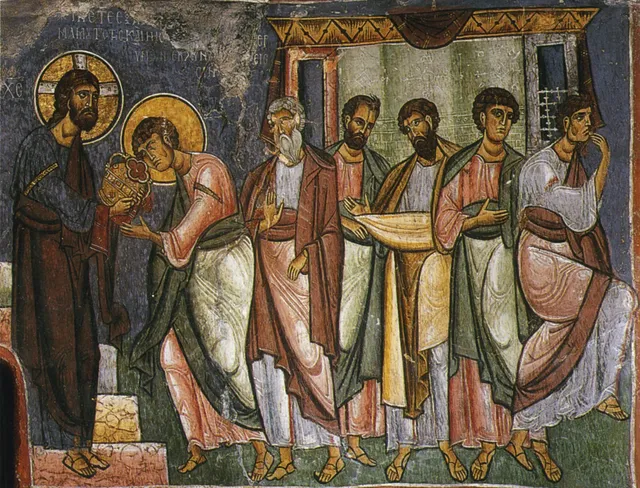
Lessons in courage, charity, and conviction for today.

Respectful comparison with clear charts and terms.

We trace how long narratives were divided across scrolls, how Greek and Latin traditions shaped numbering, and what that means for reading Kings, Chronicles, and more today.
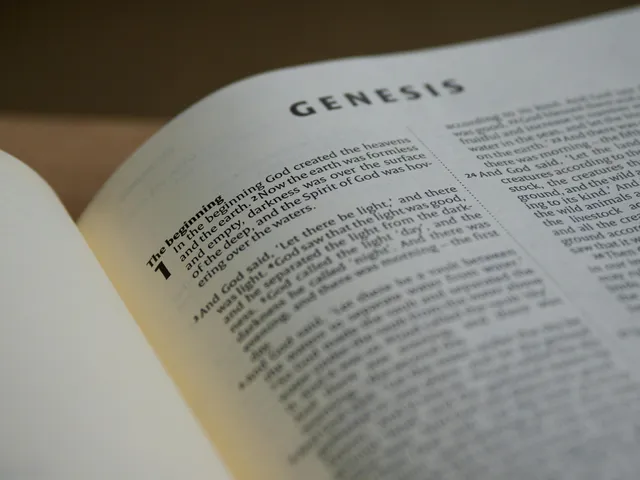
A friendly overview of Genesis: creation, fall, flood, promises to Abraham, and the family stories that set the stage for Exodus. See how Genesis introduces themes of blessing, covenant, and God’s faithful purpose.
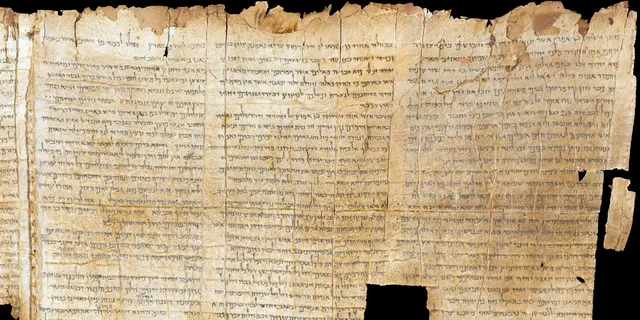
We tour the caves, key scrolls, and scholarly insights—showing how these ancient texts strengthen confidence in the Bible’s preservation.

A clear overview of writing, transmission, and preservation that builds confidence in the text.
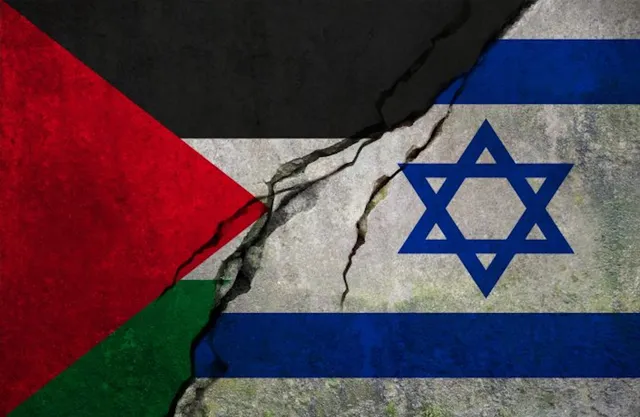
The land and people of Israel/Palestine remain at the heart of conflict—what does the Bible reveal?

From universities to pioneers of modern science—get the record straight.

Tools for handling difficult passages without losing confidence in Scripture.

History, ideas, and examples that still shape society.

Ideas to be and to find a “Barnabas” in the Christian life.

A practical guide to interlinears, lexicons, and parsing—plus when to ask a pastor or scholar.

Why historians—ancient and modern—take the Gospels seriously as sources.

A quick primer on continuity and contrast.
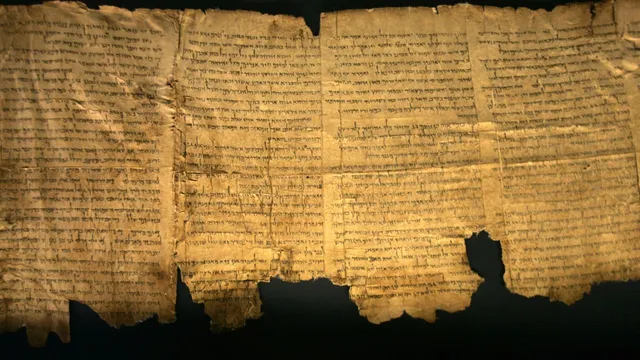
We explain copying practices, manuscript families, and how scholars compare texts—so readers see why modern Bibles are both careful and clear.

We compare Old and New Testament regulations, highlight the dignity ethic, and trace how Christian conviction fueled abolition movements.

Essential terms and milestones in canon formation.

We explore Rome’s influence on early Christianity and the spread of Scripture.

Learn about empires, Jewish sects, and cultural changes that set the stage for the New Testament.