It is a miracle written in ink and parchment, carried across centuries by faithful hands and hearts-how the Bible, God's Word, was preserved. When we hold a modern Bible, whether bound in leather or glowing on a screen, we cradle in our hands the fruit of millennia of careful transmission, courage, and divine providence. The story of its preservation is not just a tale of scribes and scrolls but a testimony of God's unwavering intention to speak to His people in every age.
The Fragile Strength of Scripture
Ancient manuscripts were not made to last forever. Papyrus crackled and flaked; ink faded in heat and sand. Letters could vanish beneath time's touch. And yet, God ensured that His Word did not disappear. He entrusted fragile materials to faithful souls-priests, prophets, monks, and translators-who bore the weight of sacred duty with trembling reverence. Every stroke of a quill was a prayer offered in ink.
In an ancient world of empires and conquests, scrolls were burned, temples destroyed, and languages changed. Yet Scripture kept rising again-copied, translated, and remembered. Jesus Himself declared, "Heaven and earth will pass away, but my words will not pass away" (Luke 21:33). Those words were not merely metaphorical; history would prove them true, again and again.
From Moses to the Monks
When Moses received the Law on Mount Sinai, the Word of God came to life in writing. Stone tablets, then parchment scrolls, then papyrus sheets-all bore the message of a covenant between God and humanity. By the time of Ezra and Nehemiah, professional scribes were trained to copy Scripture with exacting precision. Each word was counted, each letter verified. If an error was found, the entire scroll might be rewritten. To them, the Word was not simply information-it was holiness in tangible form.
The Scribes' Sacred Precision
A Jewish scribe in the days of the Second Temple might begin his day with prayer and ritual washing before ever touching pen to parchment. He would utter aloud the name of each letter as he inscribed it, treating each stroke as worship. It was devotion disguised as discipline. These meticulous practices meant that even as centuries passed, the Hebrew Scriptures remained astonishingly consistent.
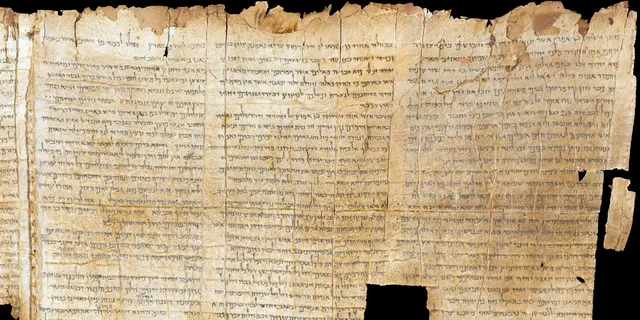
The Dead Sea Scrolls, discovered in the mid-20th century, confirmed this stunning accuracy. Texts dating back two thousand years matched with remarkable fidelity the Hebrew manuscripts in use today. Such discoveries don't just affirm the text's preservation-they testify to the divine care that watched over it through generations.
The Word Becomes Flesh-and Written Again
When Jesus came, the Word of God took on human form. But He also affirmed the written Word, quoting from the Torah and Psalms, grounding His teachings in Scripture. The early Church followed His lead. Apostles wrote letters, Gospels were recorded, and testimonies of the resurrection began to circulate. Each text was copied by hand, passed from house churches to distant regions of the Roman world.
It's easy to romanticize those early copies, but imagine their fragility. Think of a small community of believers in Ephesus treasuring a fragile parchment from Paul, or a group in Corinth passing around a fading Gospel of Mark. They copied these words carefully, not as scholars but as believers hungry to keep truth alive. Every copy was an act of preservation and proclamation.
The Spread Across Languages
As Christianity spread, so did its Scriptures. By the second and third centuries, the Bible had been translated into Latin, Syriac, and Coptic. Each translation was another relay in a holy race-the race to carry God's Word to every people and tongue. The translators labored not only to translate words, but to convey truth across cultural and linguistic boundaries. One could imagine them praying over each phrase, asking the Holy Spirit's guidance for meaning that transcends grammar.
Preserved Through Peril
Empires have risen and fallen, yet the Bible endured them all. In the days of Diocletian, Roman soldiers scoured towns for Christian Scriptures to burn. Yet hidden scrolls survived-in jars, under floors, carried in secret by believers willing to risk their lives. Darkness could not silence light. Centuries later, monks in silent scriptoriums would copy those same words, their candle flames flickering across the lines of the Psalms: "The word of the Lord endures forever" (1 Peter 1:25).
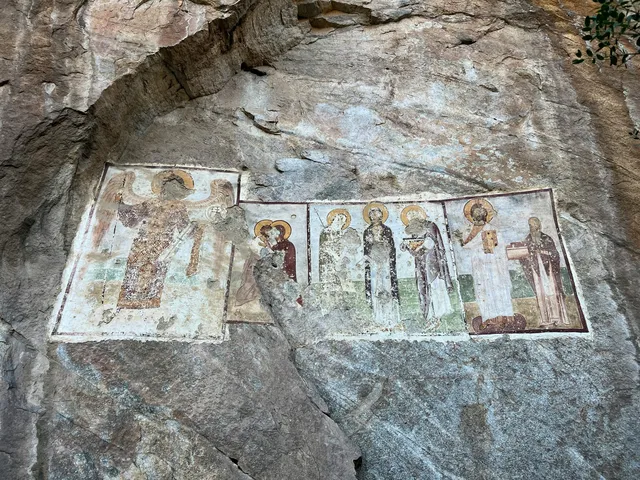
Some monks spent their entire lives producing only a handful of copies. Their work was slow and sacred. They decorated manuscripts with gold leaf and intricate vines, believing beauty was one form of worship. These illuminated manuscripts breathed wonder back into the Word, turning ink and pigment into living testimony.
The Great Turning Points
The invention of the printing press in the fifteenth century changed everything. What had once required months of manual copying could now be reproduced in hours. The first book printed on Gutenberg's press was the Latin Bible-a sign that the preservation of Scripture had entered a new era. No longer confined to cloisters, the Word began to flood the world.
The Reformation and the Vernacular Bible
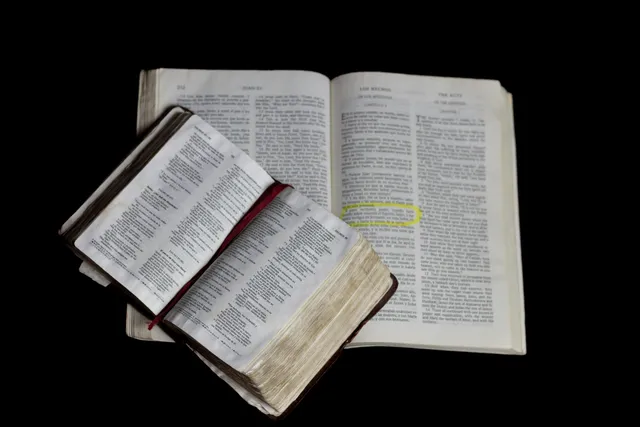
When Martin Luther translated the Bible into German, and later, when the English translators of the King James Version labored over their work, they stood on the shoulders of ancient copyists and courageous translators. The preservation of Scripture is always also a story of access. It is not enough that the text survives; it must speak to the hearts of the people in their own language.
And so the Word found its way into countless tongues-each translation an echo of the same divine voice, shaping cultures, literature, and lives. Through storms of persecution and waves of doubt, the Bible has remained firm, not because of human perfection, but because of God's faithfulness.
The Miracle Beneath the Microscope
Modern scholars study thousands of ancient manuscripts-Hebrew scrolls, Greek papyri, Latin codices-and when their fragments are compared, the consistency is astonishing. Minor variations exist, as one would expect in any hand-copied text, but the message remains unchanged. No other ancient work of literature enjoys such breadth of witness or accuracy of preservation.
This is where faith and history meet. For the believer, the evidence confirms what the heart already knows: God has protected His Word with divine intent. The psalmist's ancient promise still rings true: "The words of the Lord are pure words, like silver refined in a furnace on the ground, purified seven times. You, O Lord, will keep them" (Psalms 12:6-7).
More Than Ink and Parchment
Yet this story is more than the tale of ancient manuscripts. It is the story of a living Word that continues to speak. God did not preserve the Bible so it could rest behind glass cases in museums. He preserved it so that hearts-yours and mine-could be transformed by it. Each preserved page, each careful translation, whispers the same truth: the God who spoke then still speaks now.
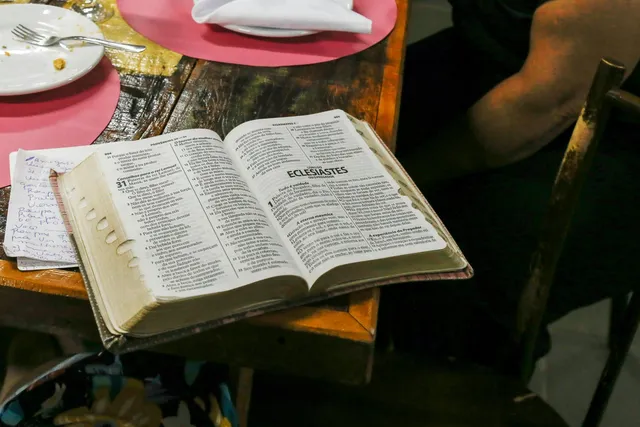
When you open your Bible today, you touch a legacy of devotion. Behind each printed verse stands an invisible fellowship of saints-scribes in dim rooms, translators in peril, scholars comparing fragments by lamplight-all carried by one Spirit. The same Spirit who hovered over the waters of creation now hovers over His Word, ensuring that light still breaks through darkness.
The Living Legacy of the Word
In a time when information floods our screens and words are cheap, the endurance of Scripture feels more miraculous than ever. Empires crumble, philosophies fade, digital media decay-but the Word endures. It has outlasted its persecutors and outpaced its critics. It still brings comfort to the brokenhearted and conviction to the complacent. That is not the result of ink-it is the result of inspiration.
As believers reflect on the Bible's preservation, we are invited to more than gratitude-we are invited to stewardship. The same faithfulness that copied scrolls in candlelight is needed today: faithfulness in studying, sharing, and living the Word. For if scribes once risked their lives to preserve it, should we not risk our convenience to obey it?
The Word That Holds Us Fast
"The grass withers, the flower fades, but the word of our God will stand forever" (Isaiah 40:8). That promise hovers above every era and every fragile fragment of parchment that carried it. From caves in Qumran to monasteries in Ireland to printing presses in Germany, the Word has outrun time itself. And still it runs-into hospital rooms, into prisons, into the quiet spaces of morning devotion where one soul bends over its pages and listens.
The story of preservation is, ultimately, the story of God preserving His people through His Word. It reminds us that we are held not only by history, but by the living voice of God that continues to speak mercy, correction, and hope. So the next time you open your Bible, pause to thank the Author who kept it safe-and the Spirit who still writes His truth on human hearts.