The land between the Jordan River and the Mediterranean Sea has been called many names-Canaan, Israel, Palestine, the Holy Land. For millennia, it has stirred hearts, inspired prophets, and broken nations. Today, news headlines often cast it as a region of bitterness and division. Yet beneath the politics lies a story stretching back to the dawn of faith itself-a story intertwined with God's promises, human longing, and the mystery of divine providence. To understand the Israel-Palestine conflict from a Christian perspective, we must listen not only to modern voices but to the echoes of Scripture calling us toward both truth and compassion.
The Ancient Promise and the Seed of Faith
When God called Abram from Ur and promised him a land, the promise was more than a territorial grant; it was a covenant of faith. "Go from your country and your kindred and your father's house to the land that I will show you," God said in Genesis 12:1-3. In that moment, geography and theology met. The land symbolized a relationship-a land for a people chosen to reveal God's character to the world.
The biblical claim to the land of Israel begins with a covenant, not conquest. God's promise was conditional not upon military strength but upon faithfulness, righteousness, and obedience. "The land is mine," God later declared through Leviticus, "and you are foreigners and strangers with me" (Leviticus 25:23). It's a profound reminder that even ancient Israel held the land as stewards under divine authority.
From Promise to Exile
The Old Testament story unfolds as a cycle of promise, failure, judgment, and restoration. Israel inhabited the land, built a kingdom, and raised a temple. Yet when faith gave way to idolatry and injustice, the people were driven into exile. In their displacement, they learned an everlasting truth: the covenant of God extends beyond geography. The prophets foresaw a time when all nations, not just Israel, would come to know the Lord.
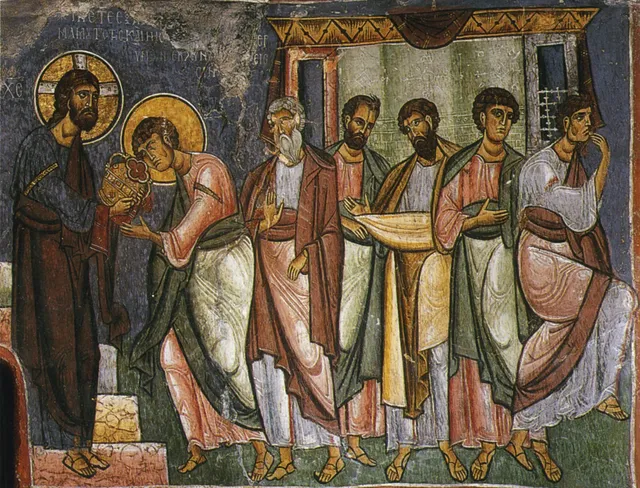
By the time Jesus walked the dusty roads of Galilee, the land was under Roman rule, and the people longed for liberation. Many expected a political Messiah to reclaim territory; Jesus proclaimed a kingdom not of this world. He redefined inheritance itself-not soil and borders, but hearts renewed by the Spirit. Through Him, the promise to Abraham found its global fulfillment: "In you all nations shall be blessed."
Modern Claims and Ancient Memory
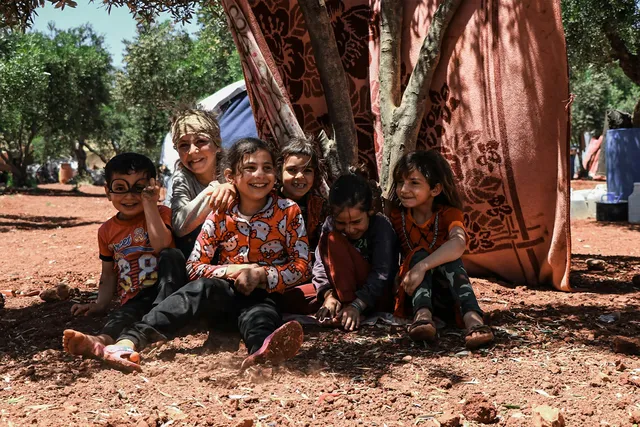
Fast-forward two thousand years, and the modern world finds itself wrestling with the same strip of sacred earth. The establishment of the State of Israel in 1948 fulfilled a long-cherished Jewish dream of return after centuries of exile and persecution. For many Jews, this was not merely political-it was prophetic. Yet for many Arabs, particularly Palestinian Christians and Muslims whose families had tilled those lands for generations, the creation of Israel brought displacement, loss, and sorrow. Two narratives, both deeply sincere, both rooted in identity and suffering, now coexist in painful tension.
Christians around the world stand at a moral crossroads when considering these claims. The Bible affirms God's faithfulness to His promises, yet it also commands His followers to pursue justice and peace. How do we honor both truths? How do we love the descendants of Isaac and the descendants of Ishmael without partiality?
Faith and Politics-A Dangerous Blend
It's easy to be swept up in political agendas that invoke Scripture for validation. But Scripture is not a weapon; it's a witness. The New Testament reminds us that our citizenship is in heaven (Philippians 3:20). That doesn't make the earthly struggle irrelevant-it gives it perspective. Our allegiance belongs first to the kingdom of God, which transcends any human boundary.
When Christians speak of Israel or Palestine, we should do so with humility, aware that this is holy ground for many-the birthplace of the faith we cherish. The Church must resist the temptation to take sides as the world does, instead embodying Christ's reconciling love between peoples who share Abraham's blood yet remain estranged.
A Land of Pain and Promise
To visit Jerusalem today is to feel the weight of history pressing from every stone. Jews praying at the Western Wall, Muslims bowing on the Temple Mount, Christians tracing the Via Dolorosa-all seek meaning in the same sacred space. It is as if the land itself remembers every promise, every prophecy, every tear.
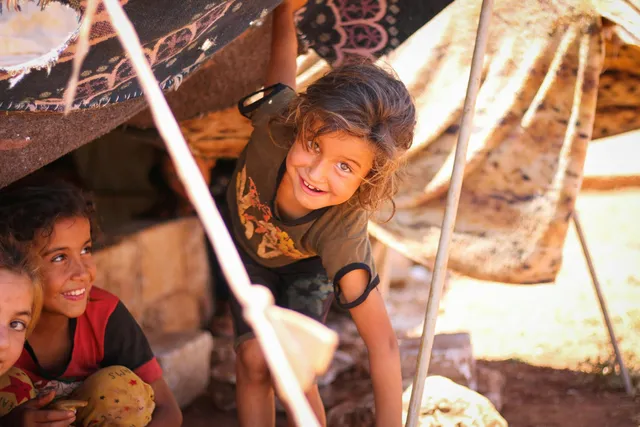
The human cost of this conflict is immense. Innocent lives are lost, families uprooted, faith shaken. In times of violence, some cry out, "Where is God?" But Scripture assures us that God does not abandon His people. He hears the cry of the afflicted and calls His children to be peacemakers. Jesus said, "Blessed are the peacemakers, for they shall be called children of God" (Matthew 5:9). Perhaps nowhere on earth is that calling more urgent than here.
The Christian's Role: Intercede, Understand, Love
For the believer, the response cannot be apathy or mere analysis. It must be prayerful involvement-praying for Israelis and Palestinians alike, for leaders to seek wisdom, and for the Church to be a bridge where politics build walls. The apostle Paul reminds us in Romans 12:15-18 to rejoice with those who rejoice, weep with those who weep, and do everything possible to live at peace with everyone.
Learning to Hold Tension with Grace
It is not easy to embrace the tension between God's promises to Israel and His universal love for all peoples. Yet spiritual maturity often grows in such tension. We hold promises not as weapons but as hopes-trusting that God's plan is wiser and wider than we can comprehend. He is not confined by political borders, nor are His blessings limited by ethnicity.
Hope Beyond the Headlines
The world reports the conflict in terms of rockets and borders; the Bible speaks of redemption and restoration. In prophetic vision, Isaiah saw swords turned into plowshares and nations learning war no more (Isaiah 2:4). The peace that Scripture envisions does not come through ceasefires alone, but through hearts transformed by grace. Only God can perform that kind of miracle.
In small but profound ways, glimpses of this peace already exist-Jewish and Arab believers worshiping side by side; aid workers from both communities serving refugees together; prayer groups interceding across divides. These moments remind us that the Kingdom of God is advancing, even in places of profound tension. The light shines in the darkness, and the darkness has not overcome it.
Looking Toward the Fulfillment
The story of Israel and Palestine will not find its ultimate resolution in diplomacy or treaties alone. The final peace belongs to the Messiah, the Prince of Peace Himself. One day, Christ will reign from Jerusalem as both Judge and Savior, healing not only this land but the human heart. Until that day, the Church is called to be a living preview of what that peace will look like-a family gathered from every tribe, language, and nation, reconciled through the cross.
The biblical and modern claims to the land point us ultimately to a deeper truth: the longing of humanity to belong-to a home, a purpose, a promise fulfilled. In Christ, that longing finds its rest. The land becomes not just a physical inheritance but a spiritual one: a place of communion with God, wherever His will is done.
Walking the Sacred Ground in Our Hearts
The Israel-Palestine conflict may seem distant from the daily life of most believers, yet it mirrors the struggles in every human heart-between fear and faith, vengeance and forgiveness, promise and patience. Just as God called Abraham to walk by faith into an unknown land, He calls us to trust His promises amid our own uncertainties.
We may not solve the region's politics, but we can embody its hope. Every act of understanding, every prayer for peace, every refusal to hate is a step of faith in the same direction God called Abraham so long ago. The real Holy Land begins within us-where Christ dwells, peace takes root, and love crosses every border.
So let us pray for the peace of Jerusalem, as Psalms 122 urges, but also for Gaza, Bethlehem, and every heart divided by despair. For when we pray for peace there, we participate in God's grand story of redemption everywhere.