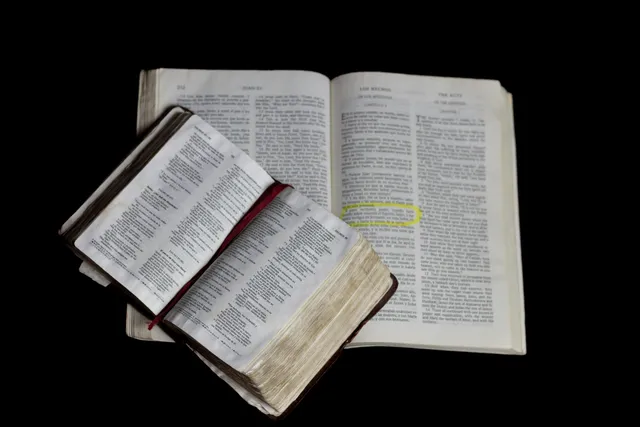
When you pick up a Bible-worn, marked, and loved-have you ever paused to wonder how it came to be what it is? Why these 66 books and not others? Who made those decisions, and how did they know which writings truly carried the breath of God? The story of how the Bible's books were recognized as sacred is not just a tale of councils and votes-it's a story of faith, of divine guidance, and of God's people learning to listen to His voice together over time.
The Bible Did Not Fall from Heaven Already Bound
We sometimes imagine the Bible as descending complete and leather-bound into the hands of believers. But the reality is far more beautiful and organic. Over centuries, God spoke through prophets, poets, and apostles. Their words-sometimes written on tablets, sometimes dictated in prison cells-were treasured by communities of faith who recognized something divinely alive in them.
By the time of Jesus, the Hebrew Scriptures (what we call the Old Testament) were already revered. The Law, the Prophets, and the Writings were well known, even if different Jewish groups sometimes emphasized different books. Jesus Himself quoted from Deuteronomy, Isaiah, and the Psalms often, affirming their sacred authority (see Luke 24:44). Yet even in His day, there were still questions about which writings were to be considered Scripture.
The Old Testament: A Story Preserved Through Trust
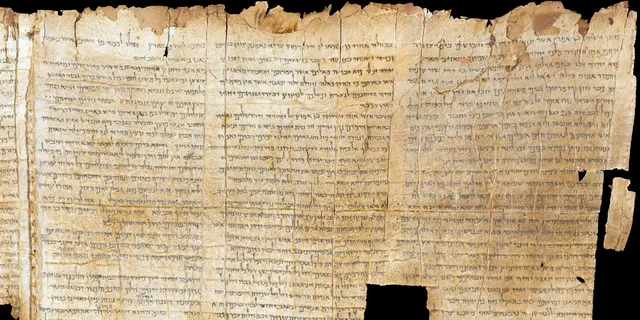
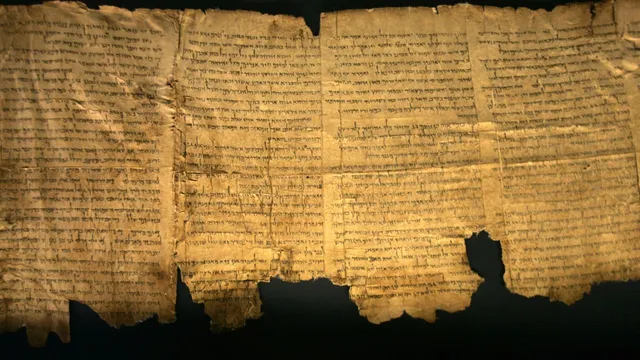
The Old Testament canon took shape over many centuries. Moses' writings, the Torah, became the foundation of Israel's identity. The prophetic books followed-communications from God to His people across changing eras. By around the second century before Christ, the Hebrew canon was largely formed, though scrolls such as Esther, Ecclesiastes, and Song of Songs of Songs were debated even among rabbis.
The Role of the Community of Faith
These weren't decisions made in conference rooms or by a single person's decree. They emerged from holy recognition. The community of Israel encountered these writings and, through prayer, obedience, and life experience, came to see that God's Spirit rested uniquely upon them. The books of the Law guided worship and covenant life. The Prophets called hearts back to God. The Writings gave voice to the joys and sorrows of faithful living. Through persecution, exile, and restoration, these texts survived because they spoke life to those who carried them.
The Birth of the New Testament
When the resurrected Christ sent His followers into the world, they took with them both the Hebrew Scriptures and the new reality of the gospel. Letters were written across the Roman world-to churches, to pastors, to friends. The Gospels were compiled to preserve eyewitness accounts of Jesus' words and deeds. Very soon, these writings began to circulate widely, read aloud in homes and gatherings, treated with reverence equal to the ancient Scriptures.
Already by the end of the first century, Peter referred to Paul's letters as Scripture (2 Peter 3:16). The early Church wasn't waiting for an official council to decide which books were inspired-they were experiencing inspiration firsthand. Lives changed as these words were received as the Word of God.
Guided by the Spirit: The Early Church Recognizes the Canon
By the second century, believers were reading a core set of writings-four Gospels, Acts, the letters of Paul, and several others-alongside the Old Testament. Other books circulated too, some beautiful and edifying, like the Shepherd of Hermas or the Epistle of Barnabas, yet not quite carrying the same spiritual authority. The question gradually became not, "Which books do we like?" but "Which writings truly come from those who walked with Christ and bear the unmistakable mark of the Spirit?"
How the Early Church Tested Scripture
- Connection to the apostles: Was the book written by an apostle or a close associate who conveyed their teaching faithfully?
- Consistency with apostolic doctrine: Did it align with the faith already received and taught throughout the churches?
- Witness of the Holy Spirit: Did the churches across different regions sense the same spiritual power and truth in its words?
Guided by these principles, the Church didn't so much decide as discern. The canon wasn't imposed from above; it was recognized from within.
The Role of Councils-Affirming, Not Creating
It wasn't until the late fourth century-at councils such as those in Hippo (393 AD) and Carthage (397 AD)-that the Church formally affirmed the list of New Testament books we know today. But it's essential to understand what these gatherings did. They weren't inventing the canon; they were acknowledging what believers across generations and continents had already received as Scripture.
Think of it as light slowly filling a room. The councils did not create the light; they simply named it for what it had always been. The Spirit of God had already testified to His people where His voice was found. The councils only gave voice to that shared conviction.
Why Some Books Were Left Out
There were many writings in the early centuries-gospels attributed to Thomas or Mary Magdalene, letters with famous names attached-but they either appeared too late, contradicted the truth already received, or lacked the unmistakable breath of divine life. These weren't suppressed arbitrarily; they simply failed to carry the same weight of Spirit-led authority recognized in Matthew, John, or Paul.
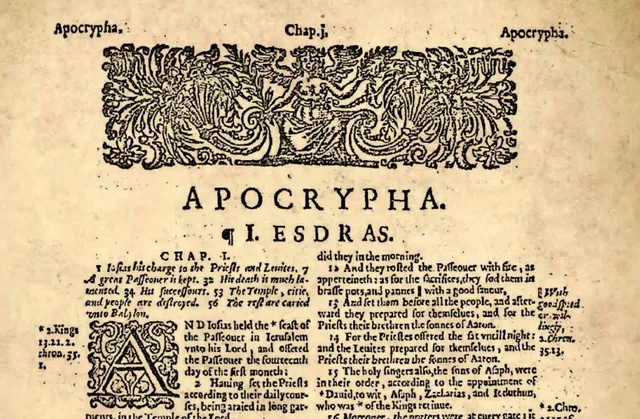
Even the so-called "Apocryphal" books, like Tobit or Maccabees, held value for early believers and were read devotionally. Some traditions still include them today. Yet, in the end, only those writings that bore the evident fingerprint of inspiration were placed in the heart of the Bible's message.
A Divine Mystery, Not Human Politics
The canon is one of history's most extraordinary examples of human cooperation and divine sovereignty. On one level, the Bible's contents emerged through debate, letters, and regional differences. On another, it is clear that God was guiding the process-weaving centuries of worship, persecution, and discernment into a single, Spirit-breathed collection of truth. There's mystery here. The same Spirit who hovered over the waters in Creation also hovered over the hearts of those who recognized His Word.
What This Means for Us Today
Every time we open Scripture, we step into that long story of trust. When you read the Gospel of John or a Psalms of David, you are holding the words that have stood as living truth for thousands of years. They were tested by persecution, carried across continents, hidden in catacombs, translated through blood and tears. The survival of the Bible itself is testimony that God watched over His Word as He promised (Isaiah 40:8).
Recognizing who decided which books belong in the Bible is less about lists and councils than about listening-listening to how God speaks through His people. It reminds us that faith is always relational. God doesn't merely hand down dictations; He calls a people who learn to hear and affirm His voice together. Just as the early Church discerned His truth collectively, we too must stay close to the Spirit as we interpret and live by that truth today.
The Living Word Still Speaks
The same Spirit who inspired Moses and guided the apostles still breathes through these pages. The canon is closed, but the conversation continues. Every time the Word pierces our hearts, every time the Spirit illuminates meaning in a familiar verse, we experience the same living guidance that once brought the Scriptures into being.
It's tempting to see the history of the Bible as dusty and distant, but in truth, it is deeply personal. God didn't just preserve the books for scholars or theologians; He preserved them for you-for every weary soul seeking direction, every heart longing for hope. When we realize that, our question shifts from "Who decided which books belong in the Bible?" to "What will I decide to do with the Word that has been given to me?"
The Bible's authority rests not in the hands of ancient councils but in the faithful God who speaks still. And because He is faithful, every word that He has preserved is trustworthy and alive. The same Spirit who watched over its forming now whispers through its lines-inviting us to recognize, once again, the voice of the One who made us, forgave us, and loves us without end.