Every generation seems to ask it anew: Can we really trust the Bible? Is it the living Word of God or simply a revered collection of ancient writings? It's a fair question. After all, we live in an age of skepticism, where truth is constantly questioned and history is retold through modern filters. Yet, for millions of believers across centuries, this book is far more than just parchment and ink. It's a voice that still speaks, a light that still reaches into darkness, a story that refuses to die.
The Bible's Unique Story Among Books
There's no denying the Bible stands apart from any other literary work. Written by more than 40 authors over roughly 1,500 years, it spans diverse languages, cultures, and centuries-and yet maintains a unified message about God's redemptive plan for humanity. That kind of harmony is rare, even miraculous.
Prophets, fishermen, kings, and scholars contributed to it. Some wrote from palaces, others from prisons, and many from wilderness exile. Yet every page threads back to one consistent theme: the relentless love of God reaching toward His people. The coherence of that message, given the distance between its authors, begs deeper reflection. Could mere human effort craft such a seamless and enduring narrative?
Ancient Doesn't Mean Irrelevant
"Ancient" is sometimes wielded as an insult in modern conversation-as if old equals out of touch. But when we slow down and really read, the Bible proves astonishingly relevant. Its pages speak to human motives and fears that remain unchanged: pride, envy, hope, loss, courage, forgiveness. The settings may have shifted from scrolls to screens, but the hearts reading them are still the same.
The wisdom of Proverbs resonates in boardrooms and households alike. The Psalms give words to both the grief-stricken and the joyful. The Gospels confront us with questions about love and sacrifice we still haven't outgrown. The Bible doesn't lose relevance with time-it gains depth as time unfolds.
The Living Word in a Digital Age
Ironically, in an era saturated with information, it's the timeless voice of Scripture that feels most refreshing. Modern culture gives us fleeting content-scrolls of distraction and debate-but Scripture asks us to linger. It beckons us into stillness where our restless minds meet eternal truth. Jesus Himself said, "Heaven and earth will pass away, but my words will never pass away" (Matthew 24:35). Words that outlast galaxies deserve more than a cursory glance.
The Reliability Question: Texts That Withstand Centuries
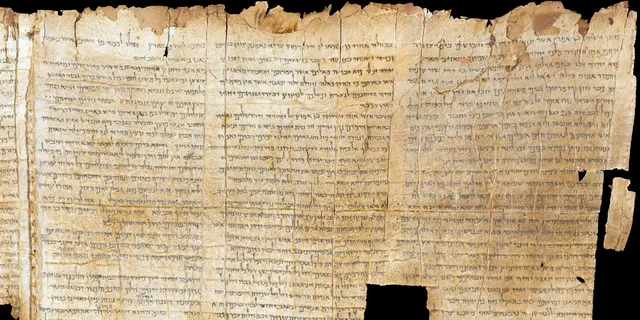
Some wrestle not with the message but with the mechanics: "Hasn't the Bible been changed over time?" It's a thoughtful concern, but history offers an astounding reply. The discovery of the Dead Sea Scrolls in the 20th century, for example, revealed that biblical manuscripts-some a thousand years older than any we previously had-matched with remarkable accuracy to our current Old Testament texts. The transmission of Scripture isn't haphazard. It's careful, reverent, and astonishingly preserved.
In the New Testament, the evidence is even stronger. There are more surviving manuscripts of the Greek New Testament than of any other ancient work-by thousands. Scholars, both secular and Christian, agree that the Scriptures have been transmitted with exceptional integrity. The same God who inspired human authors seems to have watched over the words themselves, ensuring they would endure the wear of centuries and skepticism alike.
Faith and Reason Together
Believing in the Bible's reliability doesn't require blind faith-it invites informed faith. The facts hold their own, but beyond historical data lies something even more powerful: personal encounter. The Bible is unlike any other document because it reads us as much as we read it. As Hebrews 4:12 describes, "The word of God is living and active, sharper than any double-edged sword." It cuts through pretense and brings clarity where confusion once ruled. A historical artifact doesn't do that; a living Word does.
When Scripture Speaks Personally
Ask anyone whose life has been transformed by faith, and you'll hear a story shaped by Scripture. Whether it's a widow finding hope in Psalms 34, a prisoner discovering freedom in Paul's letters, or a weary student hearing God whisper through Isaiah, these moments transcend explanation. They are encounters with the living God speaking through ancient words.
There's a sacred mystery in this relationship between text and soul. The same verse that comforted your grandmother might convict you in a completely different way. It's not because the Bible changes, but because God uses it dynamically-customized to each heart, each moment, each need. No other ancient book can do that.
The Still Small Voice
Think of Elijah in 1 Kings 19. He looked for God in the powerful wind, the earthquake, and the fire-but God's voice came in a gentle whisper. The Bible often works the same way. It doesn't shout over the noise of life; it whispers truth into the cracks of our hearts. Yet that whisper carries eternal authority. It has the power to mend marriages, inspire forgiveness, redirect futures, and heal what despair thought it had destroyed.
Why the Bible Still Changes Lives
The Bible doesn't merely inform-it transforms. Throughout history, revival and renewal have always followed a return to Scripture. When people open it humbly and allow it to challenge, convict, and comfort, communities change. Hearts soften. Empires have fallen or risen in line with biblical principles of justice, humility, and mercy. Even secular leaders have recognized its moral and cultural force.
But this transformative nature of Scripture is most visible, not in governments or movements, but in individual lives. When someone burdened by guilt discovers grace in Romans 8, or a parent overwhelmed with worry finds peace in Philippians 4, it's not coincidence. It's divine resonance-the eternal Word meeting the human soul at just the right pitch.
Encountering Truth, Not Just Text
What happens when we stop approaching the Bible as a reference manual and start approaching it as a relationship? We begin to sense its heartbeat. The Bible introduces us to a Person, not just principles. At its center stands Jesus Christ-the Word made flesh. The written Word testifies to the Living Word, and the more we linger there, the more we realize reliability isn't just about accuracy-it's about presence. The Bible is reliable because the One who speaks through it is faithful.
Walking the Line Between Faith and Doubt
Many of us live somewhere between belief and uncertainty. We want to trust but struggle with lingering questions. The good news is that God isn't intimidated by honest doubt. He invites it. The psalmists wrestled openly; Thomas doubted and was met with a scarred hand. God never rebukes a heart that's genuinely seeking truth. So when we ask, "Is the Bible reliable?"-perhaps the deeper question we're asking is, "Can I really trust the God who speaks through it?"
The answer, from Genesis to Revelation, is a resounding yes. The God who breathed stars into existence and stories into Scripture holds both with equal steadiness. Time wears down civilizations but not His Word. Isaiah 40:8 declares it plainly: "The grass withers, the flower fades, but the Word of our God will stand forever."
Rediscovering Awe for the Word
Maybe reliability isn't only about proving whether the Bible is historically preserved or doctrinally consistent-though it is both. Maybe it's also about learning again to stand in awe. We've grown so accustomed to having a Bible within arm's reach that we forget the generations who risked their lives to preserve it, the saints who translated it under threat, the martyrs who refused to burn it or deny its truth. The Bible isn't just ancient; it's sacred. It's not merely reliable; it's revolutionary.
When we open it daily, not out of duty but delight, our eyes begin to recover that wonder. Verses become lamps again, as Psalms 119:105 describes: "Your word is a lamp to my feet and a light to my path." It's a light that clarifies the next step even when the whole road isn't visible. And that's reliability of a deeper kind-the kind that walks with us, one illuminated step at a time.
A Word That Still Breathes
So, is the Bible reliable or just an ancient book? History, preservation, and transformation all echo the same answer: It is fully alive and utterly dependable. Its ink was laid down in history, but its truth breathes through eternity. It has outlasted empires, silenced critics, and continued to awaken hearts long after other philosophies have faded to dust.
In your own life, the question doesn't end in debate-it begins in encounter. The next time you open your Bible, approach it not as a relic, but as a relationship. Listen for the whisper of the Spirit between the lines. Let it challenge your assumptions, comfort your sorrows, and call you toward holy living. Because the story still unfolds, and you are part of it. God is still speaking-through those ancient words that remain ever new.
The Bible isn't a book we simply read-it's a truth that reads us, shapes us, and reminds us that the Author is still writing grace into our every chapter.