What Does Salvation Mean in Scripture?
This article unpacks key passages and shows how salvation transforms lives.
Explore 251 articles about doctrine - Page 4 of 7
Discover our collection of carefully crafted articles focused on doctrine. These articles bring biblical wisdom to life and help you apply God's Word to your daily life.
This article unpacks key passages and shows how salvation transforms lives.
This article clarifies their roles in Scripture and why both matter for Christians.
We examine Genesis and other texts to understand what imago Dei means today.
This article explains biblical foundations for the Trinity and its meaning for our faith.
This article explains parables, miracles, and teachings that reveal the kingdom’s present and future reality.
We explore the theology of John 1:1–18 and its significance for understanding Christ.
We walk through its themes of freedom, sonship, and victory in Christ.
We explore its prophetic meaning and fulfillment in the New Testament.
This article unpacks Daniel 6, explains its historical background, and draws lessons about faith, prayer, and perseverance.
This article unpacks the chapter’s themes of order, chaos, and God’s creative power.
Learn why this location carries both historical and spiritual significance.
We explore its story in Exodus and its role in shaping faith and obedience.

We explain how apostolicity, orthodoxy, and widespread use shaped the canon, and why certain texts were excluded.
We debunk myths, explain the decisions made, and highlight why Nicaea still matters today.
This article explores its origins, differences, and significance for modern Bible readers.
A quick diagnostic with examples and fixes so your study stays accurate and life-giving.
Key passages from the Gospels and epistles that anchor hope beyond death and sustain daily faith.
We connect Genesis, the Prophets, and Galatians to show how the Abrahamic promise shapes identity, mission, and hope.
A clear, devotional exposition with ideas for praying and speaking this blessing in church and home.
We highlight Deuteronomy, Psalms, and Jesus’s teaching that tie obedience to joy, peace, and flourishing.
We explain what “inspired” means, how the Spirit worked through human authors, and why this doctrine shapes trust, obedience, and worship.
We outline core themes across prophets, Gospels, and Revelation, offer a humble posture on debated timelines, and focus on faithful living now.
We connect key passages in Romans, Galatians, and James to show how salvation is by grace through faith, producing a life of loving obedience.

We outline evidence for the empty tomb and eyewitnesses, then show how resurrection shapes forgiveness, purpose, and future hope.
We highlight messianic themes, typologies, and prophecies, showing how the Old Testament anticipates Jesus’s life, mission, and kingdom.
We trace the Latin and Greek roots, explain how testament came into English, and show why covenant is central to understanding God’s story.
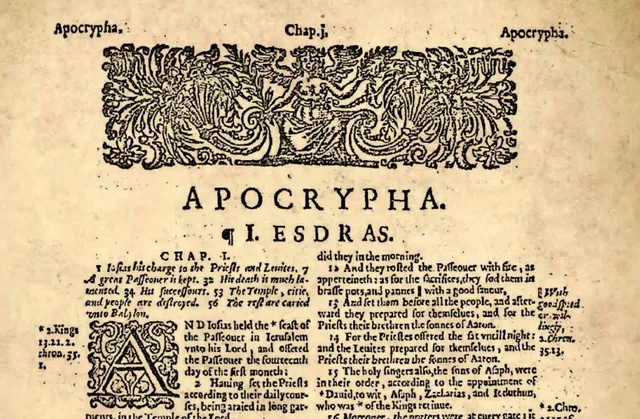
We explore Jewish and Christian use of these books, their themes, and how they shaped theology, devotion, and history—without being in all canons.
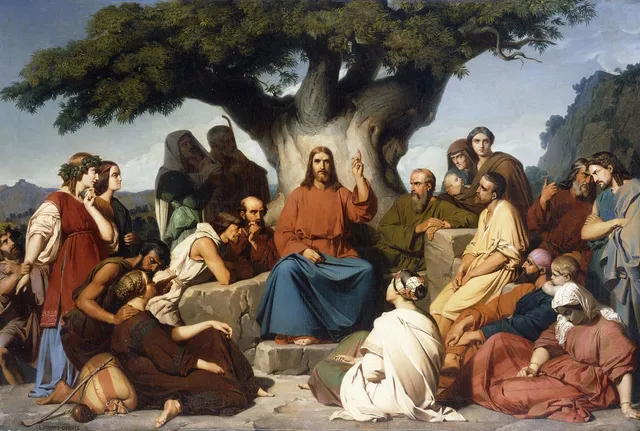
We explain how parables use story to reveal hidden truth, while prophecies confront with God’s word about present and future realities.

This article shows how genre, context, and purpose guide interpretation—helping you avoid extremes and read Scripture well.

We outline factors like translation, cultural background, denominational traditions, and hermeneutical approaches that shape how people read the Bible.
We compare canons, note major translation lines, and offer practical advice for reading across traditions with clarity and respect.

We unpack unusual Old Testament laws, explain cultural background, and show how they reveal God’s concern for justice, holiness, and community order.

We explain how parables use narrative to reveal hidden truths, while proverbs deliver concise wisdom. Discover how both invite reflection and change.

We explain each command’s purpose, its heart-level aim, and how Jesus fulfills the law—connecting holiness with freedom and joy.

We compare context, calling, message, and impact—showing continuity, contrast, and why both leaders matter for Christian identity.
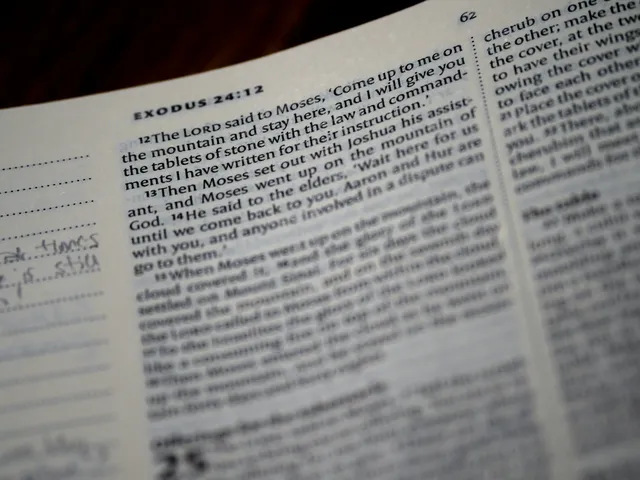
We walk through seven widely misread passages, showing literary and historical context, cross-references, and how to apply them without flattening the message.
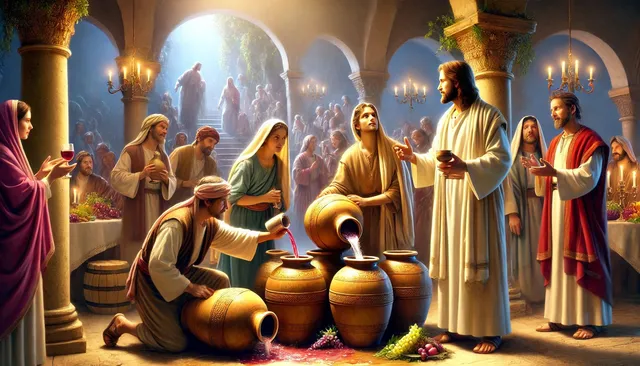
This piece explains how biblical authors frame miracles, how symbolism and history can overlap, and why the Gospels link wonders to Jesus’s identity and mission without turning them into spectacle.

A clear tour of major passages and patterns, with tips for responsible reading that avoids proof-text traps while honoring biblical fulfillment.
We trace what prophets did, how their messages fused warning and hope, and how New Testament writers read them—offering wise guardrails for modern conversations about prophecy.

Explore what “covenant” means in Scripture, how ancient treaties illuminate it, and why the new covenant in Christ transforms identity, worship, and daily life.