What does it mean to be saved? The word salvation appears early and often in Scripture, yet its depth is never exhausted. It hums like a melody throughout the story of God-from the Exodus of Israel to the cross of Christ, through the pages of the prophets, and into the final vision of restoration in Revelation. But in Christian faith, salvation isn't merely a doctrine to be explained-it's a heartbeat to be experienced. To ask what salvation means in Scripture is to ask, in essence, how God rescues, renews, and restores all things, especially the human heart.
The Many Layers of Salvation
We often use the word "salvation" as shorthand for being forgiven of sin and going to heaven. And that's true, wonderfully true. Yet the biblical idea of salvation runs broader and deeper than a single moment of conversion. The Hebrew word yasha, from which we get names like Joshua and Jesus (Yeshua), literally means "to deliver," "to make wide," or "to bring into a spacious place." Salvation, at its root, is God's act of freeing us from all that confines and destroys us-whether sin, fear, oppression, or death itself.
In the Old Testament, salvation is often seen in God's deliverance of His people from physical danger. Think of the Israelites escaping through parted waters: "The Lord is my strength and my Song of Songs, and he has become my salvation" (Exodus 15:2). But those events also carry spiritual meaning. They point forward to a deeper rescue-the liberation of the human heart from the bondage of sin.
Salvation as God's Initiative
Before salvation ever becomes our story, it is God's story. In Scripture, salvation always begins with divine initiative. Humanity reaches for God only because God first reaches for us. In the garden, when Adam and Eve hide in shame, it is God who seeks them: "Where are you?" (Genesis 3:9). That question echoes through time.
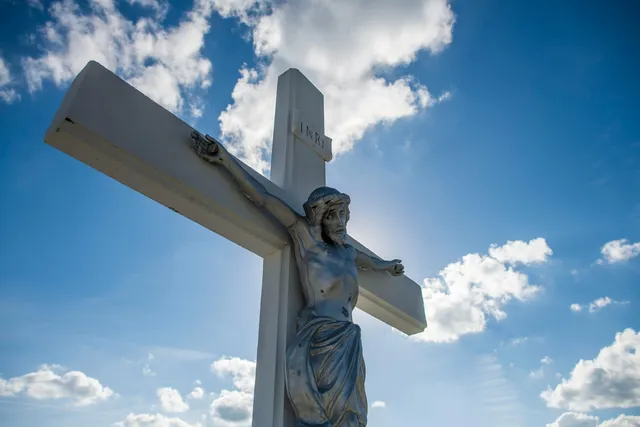
Salvation, then, is not the reward of our effort but the result of God's mercy. As the Apostle Paul writes, "It is by grace you have been saved, through faith-and this not from yourselves, it is the gift of God" (Ephesians 2:8). Grace precedes every response on our part. The cross stands as the ultimate evidence that God is the author of salvation, not its audience.
The Scandal of Grace
Grace offends our natural instincts. We want to earn favor, to prove worth. Yet salvation humbles us by insisting that the rescue we long for comes entirely from outside ourselves. This doesn't make human response irrelevant; it simply places it in proper order. We repent not to obtain grace but because grace has already come near. We believe because we've been invited into the story of redemption written by hands that bear nail scars.
Saved From, For, and Into
When the Bible speaks of salvation, it often addresses three directions: what we're saved from, what we're saved for, and what we're saved into.
Saved From
Sin is not just wrongdoing-it's wrong-being. It warps our desires and alienates us from the life we were created to know. The wages of sin, Paul reminds us, is death (Romans 6:23). Salvation means being rescued from the dominion of that death. But sin's power isn't only personal; it's also systemic and cosmic. The cross defeats not just individual guilt but all the dark powers that enslave the human story. As Colossians 1:13 says, God "has rescued us from the dominion of darkness and brought us into the kingdom of the Son he loves."
Saved For
Salvation is not escapism. God doesn't save us merely from something; He saves us for something. We are rescued for holiness, for joy, for participation in His mission. Ephesians 2:10 reminds us that "we are God's workmanship, created in Christ Jesus to do good works." To be saved is to be called into partnership with the heart of God-to join Him in the renewal of all creation.
Saved Into
Finally, we are saved into something-a new life, a new family, a new kingdom. Salvation brings us into communion with God and fellowship with one another. It's not a solitary transaction but a communal transformation. The early Christians spoke of believers as those who had passed from death to life (John 5:24), from strangers to citizens of God's household (Ephesians 2:19). When Scripture speaks of salvation, it imagines not isolated souls but a redeemed people.
The Present and Future Tenses of Salvation
Perhaps one of the most striking truths in Scripture is that salvation comes in multiple tenses. We have been saved, we are being saved, and we will be saved. Each phrase catches a different dimension of God's redeeming work.
In one sense, salvation is complete. Jesus declared from the cross, "It is finished." The penalty for sin is paid, the price of forgiveness settled. But in another sense, salvation is ongoing-we are constantly being shaped, healed, and renewed by the Spirit. And still we await the day of final restoration, when Christ returns and creation itself will be set free from its bondage to decay (Romans 8:21).
This dynamic keeps Christian hope vibrant. We live between the already and the not yet. Salvation, in Scripture, is not static; it's a living process of grace unfolding through time. To be a believer is to live in the tension of having been saved and still longing to see salvation's fullness revealed.
A Personal Encounter
All theology becomes dull if it never touches the pulse of personal experience. Salvation in Scripture is not a general principle but a divine encounter. Think of Zacchaeus, the tax collector up a sycamore tree. When Jesus called his name, salvation didn't just mean a moral change or a new religious label. It meant restoration-of identity, of integrity, of relationship. Jesus declared, "Today salvation has come to this house." (Luke 19:9)
For the Samaritan woman at the well, salvation looked like a conversation that broke social boundaries and wiped away shame. For the thief on the cross, it was a promise whispered in pain: "Today you will be with me in paradise." Salvation, in every case, carries the same unmistakable theme-God comes near to the undeserving and restores what was lost.
Salvation and the Whole World
It's easy to assume salvation is mainly about individuals going to heaven, but Scripture paints a broader horizon. In Romans 8, Paul describes creation itself groaning for redemption. The story of salvation is ultimately cosmic-God reconciling all things to Himself in Christ (Colossians 1:20). The end of the Bible doesn't show souls escaping earth, but heaven descending, making all things new.
This vision means that to participate in salvation is to care about restoration-of people, of communities, of creation itself. The gospel that saves our souls also calls us to mend our world. Every act of justice, mercy, forgiveness, and kindness becomes a small echo of the ultimate deliverance God is bringing.
Salvation as Healing
Interestingly, the Greek word for "save" (sozo) can also mean "to heal." The two ideas are intertwined. Salvation is not only pardon-it's wholeness restored. Jesus often used the language of healing and salvation interchangeably: "Your faith has saved you," He would tell those restored to health. This overlap reminds us that salvation isn't simply about where we go when we die, but how we live while we're alive. It's about being made whole-body, mind, and spirit.
Living the Reality of the Saved Life
How, then, do we live as people of salvation? We live gratefully. We live courageously. We live as witnesses to the saving power of Jesus. The psalmist urges, "Let the redeemed of the Lord tell their story" (Psalms 107:2). To be saved is to become a storyteller of grace-to declare with our lives that God restores what sin has broken.
Living out salvation means extending it. We forgive because we've been forgiven. We show mercy because we've received mercy. Our lives become small windows through which others can glimpse the redemptive heart of God. In a world marked by fear, selfishness, and division, people who live as if salvation is real become signs of hope.
When Salvation Feels Distant
Even those who believe deeply can experience seasons when salvation feels far away-when shame whispers louder than grace or when grief blurs our vision of God's goodness. The Psalms know this terrain well: "Restore to me the joy of your salvation," cries David in Psalms 51:12. His prayer reminds us that salvation is not a one-time moment but a relationship sustained by the faithfulness of God.
When salvation feels like a concept instead of a comfort, Scripture invites us to remember what is already true: that Christ has done the saving, and our role is to rest in His finished work. We don't have to manufacture assurance; we receive it as a gift renewed each morning like mercy itself.
The Spacious Place
At its heart, salvation means being brought from a place of confinement into spacious freedom-the kind of freedom only found in Christ. It's forgiveness that loosens chains, love that casts out fear, and hope that withstands death. It is, as David once sang, God bringing us out into a spacious place because He delights in us (Psalms 18:19).
To live in that reality is to walk each day as someone rescued and renewed, grateful and expectant. Salvation in Scripture doesn't only tell us where we're going-it tells us who we are: the redeemed ones, the beloved, the restored. And in a world still aching for deliverance, that identity becomes our mission-to carry the light of the Savior into every corner still waiting for dawn.