The Mount of Olives rises quietly to the east of Jerusalem, its slopes clothed with silvery-green trees that have watched empires rise and fall. For thousands of years, it has been a place of tears, prophecy, triumph, and promise. From its height, one sees the City of David shimmering in the sun, the Temple Mount gleaming below. But the Mount of Olives is far more than just a setting. In the story of salvation, it is a stage upon which some of the most pivotal moments in biblical history unfold.
In that thin strip of land, heaven and earth have met repeatedly. Prophets spoke of future glory, kings sought refuge, and the Messiah Himself ascended from its peak. The Mount of Olives is not just geography-it is theology made tangible. Every rock and olive branch whispers of redemption.
The Mountain of Prophecy
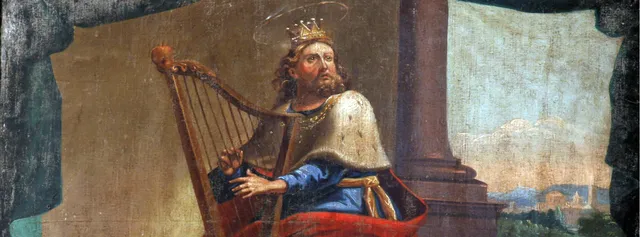
The Mount of Olives emerges early in Israel's story as a place of vision and lament. King David climbed its slope barefoot, fleeing his son Absalom's rebellion (2 Samuel 15:30). He wept there, not only for the betrayal of his son but perhaps for the brokenness of the kingdom God had entrusted to him. That same path of tears became, generations later, the route of the Messiah entering Jerusalem in triumph. God was scripting redemption on hills long before anyone understood its purpose.
Zechariah's Vision
Centuries after David's lament, the prophet Zechariah foresaw a future moment on this very mountain: "On that day his feet shall stand on the Mount of Olives that lies before Jerusalem on the east" (Zechariah 14:4). The prophet's words envisioned a day when the Lord Himself would return to deliver His people, establishing His reign not through human might but divine intervention. The Mount of Olives became a symbol of final victory-a geographical promise of divine visitation.
For believers today, Zechariah's prophecy is a reminder that God's story is not random. Places of pain become portals of glory. The same mountain that had seen David's tears would one day witness the Savior's triumph.
The Road of Palm Branches and Tears
At the dawn of Passion Week, the Mount of Olives became the stage of a paradox. Jesus descended its western slope riding a colt, while crowds spread palms and shouted, "Hosanna!" (Luke 19:37-38). Yet as the songs rose, Jesus wept. Looking over Jerusalem from that high ridge, He saw not the city's shining walls, but its future ruin.
The Mount of Olives reminds us that glory and grief often share the same path. Jesus' triumphal entry was not the beginning of victory in the world's sense, but the beginning of surrender in heaven's design.
The Night of Olive Pressing
At the foot of the Mount lies Gethsemane-"Gat Shemanim" in Hebrew-literally "the place of the olive press." There, beneath ancient trees, the Lord of Glory knelt in anguish. If the olive tree symbolizes peace, the press represents crushing. In that garden, peace was purchased through pressure.
Sweat mingled with blood as Jesus prayed, "Not my will, but Yours be done." Each drop of anguish was like oil squeezed from an olive, soon to light the flames of salvation. The Mount of Olives, once a place of prophecy, became the threshold of the cross.
The Ascension: Glory Returning to the Mountain
After the resurrection, the Mount of Olives welcomes a new scene-a quiet gathering of disciples, still trembling from wonder. Jesus, now risen, leads them out toward Bethany, to the eastern ridge once shadowed by prayer and betrayal. There He speaks final words of commission: that repentance and forgiveness of sins be proclaimed to all nations. Then, before their astonished eyes, He is lifted up, and a cloud receives Him out of their sight (Acts 1:9-12).
The disciples stand fixed in awe, hearts caught between heaven and earth. The angels' message breaks their stillness: "This same Jesus, who has been taken from you into heaven, will come back in the same way you have seen Him go." The Mount of Olives thus becomes not only the place of departure, but the promise of return. The prophecy of Zechariah and the hope of Acts converge here-where the ascended Christ will one day stand again.
Between Ascension and Return
This in-between moment-after ascension, before His return-defines every believer's life. We live "on the slope" of anticipation. Like those first followers, we look upward yet walk forward, carrying out His mission in a world still waiting for His visible glory. The Mount of Olives reminds us that faith lives between heights: between what He has already finished and what He has yet to fulfill.
In that waiting, we are invited to live as witnesses-people who reflect the light of the risen Christ to the valleys below.
The Mount as a Mirror for the Soul
Standing on the Mount of Olives, one can see everything-the domes of Jerusalem, the glimmering desert, the far hills of Moab beyond the Dead Sea. But more importantly, one sees the story of the soul itself. Here are the symbols of ascent and descent, loss and restoration, pain and praise. Each one of us, in some sense, walks the Mount's terrain. We know its tears of Gethsemane and its vistas of glory.
Perhaps your life feels closer to the garden than the sky-to the press rather than the ascent. Yet the story of the Mount declares that every crushing has its resurrection. Those who yield their will to the Father's hand, as Jesus did there, will one day rise in the victory of His promise.
Modern Pilgrims
Pilgrims today still gather on that ancient hill. They sing hymns under the olive branches, read the story of the Ascension, and weep quietly where the Savior once prayed. Yet even those who never step foot on its soil can journey there in spirit. The Mount of Olives calls to every believer: Lift your eyes. Your Redeemer has gone before you.
When the weight of the world feels too heavy, remember-He bore it first beneath the trees of Gethsemane. When despair whispers that heaven feels distant, remember-He has already bridged that distance. And when you feel stuck between sorrow and hope, recall that the same spot where He departed is also the one where He will return.
Lessons That Flow from the Olive Branches
First, God's promises are rooted in place and time. The Mount of Olives anchors biblical hope to the real soil of the earth. It reminds us that our faith is not a vague concept but a story enacted in history. Every step Jesus took on that mountain was both physical and eternal.
Second, redemption transforms what was once sorrowful into something sacred. David wept there; Jesus wept there. Yet now the same ground is known for joy and expectation. What God touches, He redeems completely.
Finally, the Mount points us toward worshipful witness. The disciples left the Mount of Olives and returned to Jerusalem with great joy (Luke 24:52). They did not stay gazing upward; they went to live out the mission their risen Lord had given. Our calling is the same: to turn awe into action, and reverence into readiness.
When Heaven Meets Earth Again
Biblical prophecy and human longing meet on that eastern ridge, where Jesus once ascended. One day, when the fullness of time comes, the same glory that lifted Him will bring Him back. The Mount of Olives, silent witness to centuries of prayer, will tremble with joy once more.
Until that day, we are called to live in the light of the ascension-anchored in faith, anointed for mission, and alive with expectation. The Mount of Olives is not merely a site to be visited, but a truth to be lived.
As olive branches reach upward toward heaven, so too must our hearts. We wait-not as those who mourn without hope, but as children who know the story's end. The One who prayed beneath those trees and rose from that hilltop is coming again. And every waiting heart becomes its own Mount of Olives, where heaven and earth still meet in faith.
mount of olivesprophecyjesusascensiongospelsprayer