Faith and works-two words that have stirred conversations, inspired transformation, and at times, even sparked tension among believers. How do they fit together? Are they in harmony, or are they opposites fighting for dominance in the believer's life? The Bible's teaching on faith and works is not a tug-of-war between grace and effort, but rather a dance of devotion and obedience-a beautiful unity of trust that manifests in action.
The Foundation of Faith
At the heart of the Christian life lies faith. Scripture declares, "without faith it is impossible to please God" (Hebrews 11:6). Faith is not simply an intellectual belief in God's existence or a vague hope that things will work out. It is confidence in God's promises, reliance on His character, and surrender to His will. Faith begins where self-reliance ends.
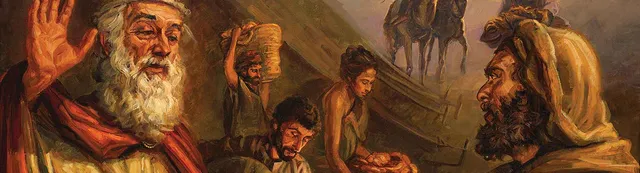
In the story of Abraham, we see this truth unfold like a sunrise. God told Abraham to leave his homeland and go to a place He would later reveal. Abraham obeyed-not because he had a fully detailed map, but because he trusted the One who called him. His faith was rooted in relationship. That trust, that deep-seated confidence in the unseen, became the cornerstone of his righteousness. Genesis says, "Abraham believed God, and it was credited to him as righteousness."
Faith, then, is not a possession we keep in a locked box; it's a living connection to God. It breathes, it grows, and it shapes the way we live. Yet, faith alone-if left dormant-loses its vitality. The Bible warns that "faith without works is dead." How does this divine balance truly work?
When Faith Walks into Action
True faith is never static. It moves, it risks, it acts. The Letter of James paints a vivid picture: a person who claims to have faith but ignores a brother or sister in need demonstrates a hollow belief. Faith that saves is faith that moves. It's not that works earn salvation, but that authentic faith naturally expresses itself through works of love and obedience.
Faith's Fruit
Consider the analogy of a tree. The roots represent faith-hidden beneath the surface, anchored deeply in the soil of grace. The fruit represents works-the visible evidence of what is happening underground. If a tree is healthy, fruit will appear in season. The fruit does not make the tree alive, but it proves that the tree is alive. So it is with faith and works. Works do not create faith; they reveal it.
Jesus Himself said, "By their fruits you shall know them." It's a sobering reminder that the authenticity of our belief will always be tested in the everyday choices of life-in how we treat others, how we forgive, how we serve, and how we give.
Grace: The Undeniable Source
Before we go further, we must anchor everything in grace. The Apostle Paul writes with crystal clarity: "It is by grace you have been saved, through faith-and this is not of yourselves, it is the gift of God-not by works, so that no one can boast" (Ephesians 2:8-9). Grace is the foundation, faith is the doorway, and works are the life that flows out the other side.
Our works do not earn God's favor; they respond to it. They are the outpouring of gratitude, the reflection of a heart redeemed. To reverse the sequence-to attempt works without faith, or to trust faith without letting it transform our lives-is to misunderstand the nature of the gospel itself. Grace comes first, always, drawing us into a relationship that births both belief and behavior.
Paul and James: Not Opponents, but Partners
Some readers stumble over what appears to be tension between Paul and James. Paul insists that we are justified by faith apart from works (Romans 3:28), while James declares that a person is justified by works and not by faith alone (James 2:24). Yet, both apostles are viewing the same truth from different vantage points.
Paul addresses the error of those who trust in religious performance rather than grace. James addresses the danger of those who claim faith but live carelessly, without evidence of transformation. Paul focuses on the root of salvation; James emphasizes its fruit. Together, they give us a complete picture: faith saves us; works show we are saved.
Faith That Confronts Comfort
It's easy to talk about faith as a concept; harder to live it when it demands risk. Faith calls us beyond comfort zones-out of predictable rhythms and into radical obedience. Noah built an ark before he ever saw rain. Moses confronted Pharaoh armed only with a staff and God's promise. Peter stepped out of a boat into a stormy sea. Each act of obedience was a response to faith, not the source of it.
Faith and works meet at the intersection of trust and surrender. Every act of obedience, however small, is a declaration: "God, I believe You are who You say You are." Whether that means forgiving someone who wronged us, serving when it's inconvenient, or giving when resources feel scarce-these acts of faith in motion become living testimonies of God's grace.
The Quiet Power of Daily Faithfulness
Not all works of faith are dramatic. Many unfold quietly in the unseen corners of life. The parent who prays faithfully for their children, the caregiver who serves in exhaustion, the believer who forgives without recognition-these are works born of trust. They may never make headlines, but heaven notices. The book of Hebrews honors countless unnamed individuals who "died in faith," not having received what was promised, yet still believing. Their works testified to their unwavering confidence in God.
A Living, Breathing Witness
Our world watches how believers live. Faith that never translates into compassion, justice, or mercy appears hollow to the watching world. Genuine faith produces visible transformation. When Jesus healed, forgave, and fed the vulnerable, He demonstrated the inseparable union of belief and action. He not only taught truth-He embodied it.
The calling remains the same for every follower of Christ today. Our acts of kindness, integrity, and love tell a story. They point beyond ourselves to the God who empowers us to act. Faith turns our everyday choices-how we speak, how we love, how we serve-into a testimony of grace.
Faith and Works in the Church Today
In an age of quick words and digital declarations, it's easy to profess faith publicly without living it practically. But the witness of the early church was powerful precisely because their faith and works were inseparable. They shared possessions, cared for the sick, lifted the poor, and worshiped boldly. Their lives revealed the presence of a Kingdom that had turned everything upside down.
The same Spirit that fueled their faith is alive in believers today. When the Church chooses to love sacrificially, to serve humbly, and to shine hope into dark places, the world catches a glimpse of what active faith looks like. Our works become living sermons-preached not from pulpits, but from lives surrendered to Christ.
Balancing Grace and Discipline
One of the greatest challenges for modern believers is maintaining the balance between resting in grace and pursuing godly discipline. Grace must never lead to passivity; discipline must never distort grace into legalism. When we serve, we do not strive to prove our worth to God-we respond to His worthiness. The more deeply we grasp grace, the more naturally we act in love. Faith-filled people are not busier for God; they are bolder in obedience.
The Eternal Echo of Faithful Works
Every act of faith-driven obedience has eternal significance. Jesus promised, "Even a cup of cold water given in My name will not lose its reward." The smallest act, when done in love, echoes into eternity. Works done from faith are not payments, but love letters-signs of devotion offered back to the One who saved us.
In Revelation, the glorified Christ commends His followers for their deeds. Not because those deeds purchased eternity, but because they proved genuine allegiance. Works reveal what-and whom-we love most.
Living the Balance Today
So, what does it look like to live out the harmony of faith and works in our daily routines? It may look like choosing integrity at work when compromise seems easier. It may mean standing beside someone who feels abandoned, or serving in places where no one applauds. It may mean worshiping and giving thanks even when life bruises the heart. Faith expresses itself most beautifully when tested.
Each moment of obedience, large or small, is faith's signature written on the day. And together, all those quiet acts become the symphony of a life redeemed by grace-a life that says, in word and deed, "I trust You, Lord."
A Faith That Shows
The Bible's teaching on faith and works is not a riddle to solve but a relationship to live out. Faith is the seed, grace is the soil, and works are the bloom. You cannot separate them without losing the beauty of the whole picture. Faith saves us; works show that we are alive in Christ.
As believers, the invitation is ongoing-to keep trusting, to keep walking, to keep acting in love. When we live this way, our faith does more than talk; it shines. It becomes the evidence of a heart transformed and a life overflowing with the goodness of God. Faith and works together are not two paths-they are one journey toward becoming more like Jesus, step by step, work by work, grace upon grace.