In every generation, believers have opened their Bibles in search of truth, direction, and a deeper encounter with the living God. Still, for all our good intentions, we can sometimes miss the richness that Scripture offers. The Bible isn't meant to be skimmed like a novel or handled like a textbook. It's a living story that reads us as much as we read it. Yet, there are some traps we easily fall into-habits or assumptions that quietly drain the life from our study time. Let's name them, learn from them, and grow wiser.
1. Rushing Through Without Listening
We live in a culture of speed. Everything-from emails to meals-comes with a timer. And it's all too easy to bring that same pace into our Bible reading. We check off our chapters, underline a verse, whisper a quick prayer, then hurry on. But when Scripture becomes one more item on our productivity list, our hearts rarely have time to hear what the Spirit is saying.
God's Word invites meditation, not multitasking. Psalms 1 paints a picture of the blessed person who "meditates on the law of the Lord day and night." Meditation, in the biblical sense, is patient and deliberate; it's about letting the words soak into our souls. Sometimes one verse is enough for the Spirit to work with, if we'll pause long enough to let it speak. The goal of Bible study isn't to cover ground-it's to uncover grace.
Try lingering over a phrase that catches your attention. Ask what it reveals about God's character or about your own heart. Ask what it requires of you. Slow down until impatience gives way to awe. The goal is not to master the Bible, but to let the Bible master you.
2. Studying Without Relationship
The Bible is not just an ancient collection of teachings; it is a record of God pursuing His people. When we read it purely for information, we read it wrong. Some of us have built impressive theological outlines, yet our hearts grow cold because we've treated Scripture as a research project rather than a relational encounter.
From Knowledge to Communion
In John 5:39-40, Jesus told religious leaders that they diligently studied the Scriptures, thinking that in them they had eternal life, yet they missed the very Person to whom the Scriptures pointed. It is possible to know the Bible and not know its Author. True study is not about collecting doctrines but about cultivating dialogue with God.
Each time you open Scripture, remember that God is already present, waiting to meet you. Begin your study with prayer, not as a formality but as a greeting. Ask the Holy Spirit to illuminate the text and your heart alike. Study becomes transformative when you relate to it as conversation, not homework.
3. Ignoring Context and Hearing Only What We Want
Few things twist Scripture more dangerously than reading it through the lens of our own desires and biases. It's easy to pluck out a verse that supports what we already believe, rather than letting God challenge us. We quote snippets, often missing the story surrounding them. But truth has a context, and every verse is part of a larger narrative of redemption.
When Paul wrote, "I can do all things through Christ who strengthens me," he wasn't talking about winning a competition; he was describing how he learned contentment in both scarcity and abundance (Philippians 4:12-13). When Jeremiah declared, "I know the plans I have for you," he was speaking God's promise to a people in exile, not offering a quick motivational slogan. Understanding who the passage was originally written to, and why, guards us from distortion.
Reading the Whole Story
That's why context is sacred. It ensures we hear what God actually says, not merely what we wish He said. Take time to note the backdrop of a passage-the cultural moment, the speaker, the audience, the unfolding of God's bigger story. The Bible is not a set of random inspirational quotes; it's the unfolding drama of God's love through creation, covenant, and Christ.
The challenge is to let Scripture stretch us. When it confronts our assumptions, resist the urge to retreat into familiarity. Sit with the discomfort. Let truth refine you. Revelation often comes in the tension between who we are and who God calls us to become.
4. Studying Alone and in Isolation
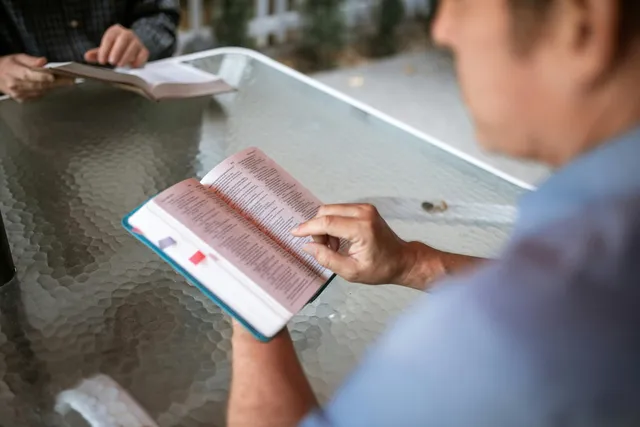
In an age of personal spirituality, many treat Bible study as a solitary activity-and while private devotion is vital, Scripture was written for a community. Most letters in the New Testament were addressed to entire congregations, meant to be heard aloud together. There's something sacred about hearing another believer's insight, noticing what they see that you overlooked, and learning together with humility.
The early church "devoted themselves to the apostles' teaching and to fellowship" (Acts 2:42). The two are intertwined. Community shapes our understanding of truth and guards us from distortion. When we study in isolation, we may miss God's broader voice expressed through His people.
Receiving Correction and Enrichment
Sometimes, someone else will notice a detail that shifts our perspective or lovingly challenge an interpretation we've held unexamined. That's not a threat-it's grace. Iron sharpens iron, and mutual accountability keeps us from building private, comfortable interpretations divorced from the larger body of Christ. Let your study group or circle be a laboratory of love and learning, not debate. Ask others, "What do you see here? How does this passage speak to you?" You'll be amazed how the same verse can reveal a chorus of insights under the Spirit's harmony.
Even within solitude, remember you are never alone in Scripture-you read alongside centuries of saints. Commentaries, creeds, and testimonies from faithful believers across time are like companions on the journey. The Spirit unites us all in one story.
5. Knowing the Word But Not Doing It
Perhaps the greatest danger in Bible study is mistaking understanding for obedience. We can become experts in interpretation while neglecting transformation. James writes: "Do not merely listen to the word, and so deceive yourselves. Do what it says." Knowledge that does not lead to action is unfinished faith.
Scripture calls us not only to belief but to embodiment-to live out what we've learned in the pulsing rhythm of daily life. When Jesus concluded the Sermon on the Mount, He compared those who hear His words and obey to a wise builder whose house withstands storms. The storms still come, but obedience secures the foundation.
Living Scripture in the Ordinary
Think of Bible study not as an end in itself but as preparation for love in motion. When you study forgiveness, whom will you forgive? When you explore generosity, how will you give? When you read about humility, where will you lay down your pride? The Bible becomes most alive when it is lived.
Sometimes a single small act of obedience unlocks more understanding than hours of study. When we step out in faith, our spiritual eyes sharpen; we begin to see how each command of God carries both wisdom and beauty. Obedience opens Revelation. The more we walk in the truth, the more light we're given to walk further.
Relearning How to Read: A Posture of Love
Ultimately, avoiding mistakes in Bible study is less about technique and more about posture. Are we approaching Scripture with curiosity, surrender, and affection? Do we come to it with an agenda, or do we come with open hands? When the psalmist prays, "Open my eyes that I may see wonderful things in your law," he isn't asking for intellectual clarity alone but for *spiritual wonder*.
The most life-changing Bible studies happen when love drives the learning. If love for God is your motive, discipline finds joy. If love for others is your goal, knowledge becomes service, not pride. The point of Bible study is not to be right-it's to be like Christ. And that takes time, honesty, and a heart willing to be changed.
Let the Word Become Flesh Again in You
The five mistakes-rushing, studying without relationship, ignoring context, isolating ourselves, and stopping short of obedience-are all symptoms of forgetting what the Bible truly is: the living Word that leads us to the Living Word. Every time you open your Bible, Christ Himself is offering you conversation, correction, and comfort. He's forming you slowly, lovingly, through every verse and every silence between verses.
So slow down. Invite Him in. Listen before you speak. Read with others. And above all, live what you learn. As you do, the Word won't stay on the page-it will take root in your heart and bear fruit in your life. That's what Bible study at its best is meant to do: make us more like the One who is Himself the Word made flesh.