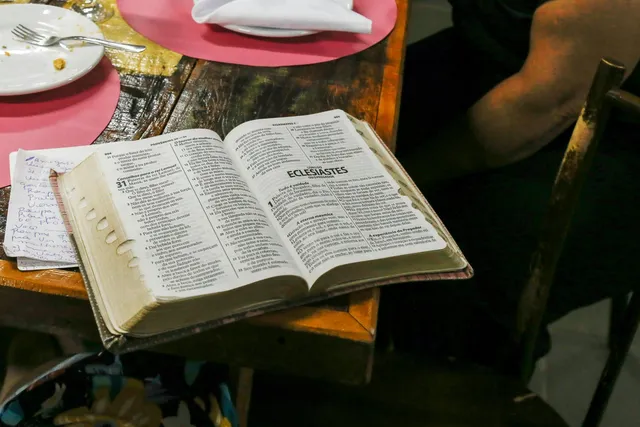
Genesis chapter 1 is one of the most familiar passages in all of Scripture, yet it's also one of the deepest. It does far more than tell us how the world began-it reveals who God is, how He moves, and what His intentions are for creation. Every word beats with divine rhythm, moving from chaos to order, from emptiness to abundance. As we linger in the opening verses of the Bible, we discover not merely history, but the heartbeat of God's creative love.
In the Beginning: The Voice That Brings Light
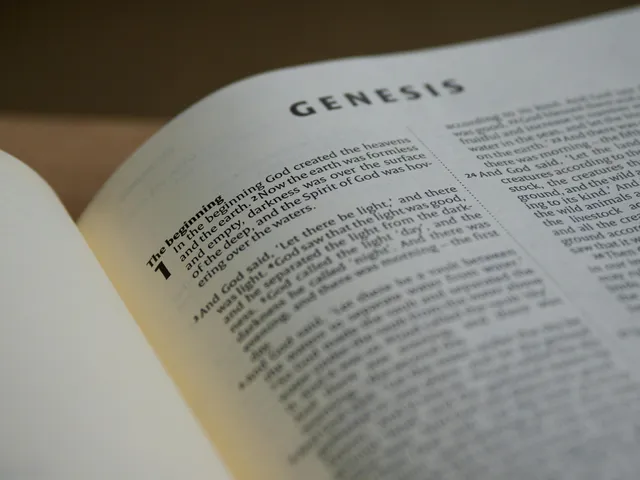
"In the beginning, God created the heavens and the earth." These opening words are not an abstract statement about origins-they are a personal declaration. Before anything existed, God was. No contest, no rival, no chaos that could overpower Him. What lay before creation was not nothingness in the modern sense, but a formless, unstructured void. Over this dark deep, the Spirit of God hovered. It is an image of expectancy, of divine breath waiting to speak form into being.
Then comes the first divine word: "Let there be light." Just like that, light rushes into the darkness, and chaos begins to yield to order. God's creative method is not force but speech. He commands, and it is so. He divides light from darkness, day from night, drawing boundaries that make life possible. Each separation-light from dark, sky from sea, land from water-isn't just about physical structure; it's the ordering of creation, the shaping of meaning itself. In the universe God designs, nothing is random or left in disarray.
From Formlessness to Fullness
The six days of creation unfold like a sacred poem of symmetry and purpose. On the first three days, God forms the spaces-the realms of existence. On the next three, He fills what He has formed. Form and fullness are the twin movements of divine creativity.
The Pattern of Holy Order
Day one: light and darkness. Day two: sky and sea. Day three: land and vegetation. These are foundations, frameworks for habitation. Then comes day four: the sun, moon, and stars to govern the rhythms of time and seasons. Day five: creatures of the sea and sky to fill those realms. Day six: animals, and finally humanity, to inhabit and steward the earth. Creation unfolds in harmony-the God of beauty and wisdom carefully crafting a cosmos of interconnection and grace.
Nothing is hurried. Nothing is haphazard. The God who shapes stars also plants seeds. The same voice that spans galaxies gently breathes life into a garden. There is both grandeur and intimacy here. In Genesis 1, we see both the cosmic scale of God's sovereignty and the tender nearness of His hand.
Chaos Tamed but Not Erased
Though God brings order, He doesn't eliminate the possibility of chaos entirely. The sea-the ancient symbol of the untamed-is given boundaries, but it still roars. Darkness still exists, though separated from the light. Even in Eden, we will later see, the serpent lingers at the edge of order. This tension runs through all Scripture: the world is good, indeed very good, but not yet perfect. We live in the meantime-the space where God's order is established, yet still contested.
This is comforting if we see it rightly. Genesis 1 reminds us that even when our own lives feel formless and void, the Spirit of God still hovers. The chaos is not final. The darkness does not have the last word. The God who spoke order into the cosmos can speak order into your soul. He still brings light where there is none, meaning where there has been confusion, hope where there was despair.
Let There Be Life
After separating and structuring, God begins to fill His world. Vegetation sprouts, waters teem with life, skies flutter with wings, and the earth stirs with movement. Life in Genesis is not an accident-it's an overflow of God's abundance. Every creature bears His mark of intention, each plant and animal a testimony to His joy in variety and vitality.
Humanity: Made in His Image
Then, at the climax of creation, God does something new. "Let us make man in our image, after our likeness." The plural language-mysterious and intimate-invites us into the divine council of love. Humanity is distinct not because of strength or intellect, but because we are made to reflect God's character into the world. To govern, to nurture, to create, to speak life-all are reflections of His likeness in us.
Being made in God's image means we are called into partnership with Him. Just as He orders and fills, so too are we to cultivate and steward. We are invited to bring beauty out of chaos, to heal what is broken, to call forth light where there is darkness. This is what it means to live as image-bearers: to mirror the Creator in our daily choices, our relationships, our work.
Evening and Morning: The Rhythm of Rest
Each day ends with a refrain: "And there was evening, and there was morning." The repetition isn't monotonous-it's musical. It marks the rhythm of divine labor and divine delight. There's a sacred regularity to God's creative work, an invitation for us to learn the same tempo of life. We are meant to work, to pause, and to rest in His goodness.
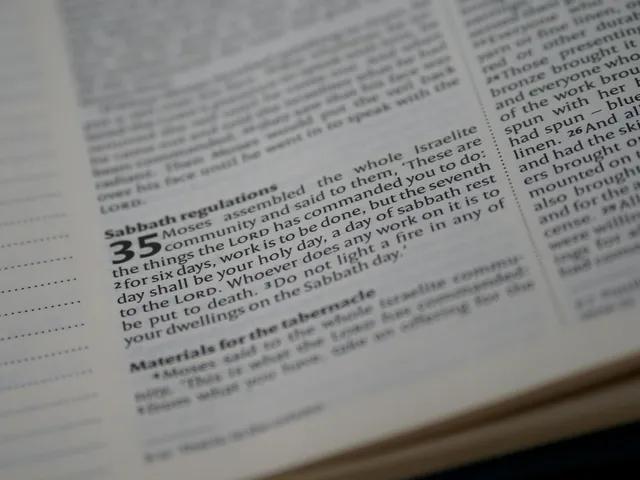
Then, on the seventh day, God rests. Not because He is weary, but because His creation is whole. The Sabbath is not just a commandment later added to the law; it is woven into the fabric of creation itself. In God's rest, we find the pattern for our own peace. True rest isn't mere inactivity-it's dwelling in harmony with what God has made. It's looking around at your life, your week, your world, and saying with Him, "It is very good."
Creation as Revelation
Genesis 1 isn't a distant myth or a scientific account-it's an unveiling. It reveals what kind of God stands behind everything we see. Creation is God's first self-disclosure, His art gallery of glory. The psalmist later echoes this truth: "The heavens declare the glory of God; the skies proclaim the work of his hands." Each sunrise is a sermon, each night sky a reminder of the Word that still sustains all things.
When we gaze at the order of seasons, the precision of stars, or the simple beauty of a flower blooming in a crack of concrete, we are witnessing the echo of that first divine speech. And when we create-whether through art, teaching, parenting, or building-we participate in God's ongoing rhythm of creation. The world is not static; it is upheld, moment by moment, by the same God who once said, "Let there be."
The Word That Speaks Still
Centuries later, the Gospel of John begins with a deliberate echo of Genesis: "In the beginning was the Word." The same Word that spoke light into being took on flesh and walked among us. In Jesus Christ, creation and redemption meet. The One who brought order out of chaos now brings life out of death. The Creator enters His creation to restore what was lost.
When the Word became flesh, He reaffirmed all that Genesis proclaimed: that creation is good, that purpose and beauty are God's design, and that human life is sacred. The cross and resurrection repeat the Genesis pattern-chaos yielding to order, darkness giving way to light. The tomb itself becomes a new garden, and the risen Christ, the gardener, speaks anew: "Let there be life."
From the Beginning to Our Beginning
Reading Genesis 1 devotionally means allowing it to shape how we see our world and our lives today. Wherever you encounter confusion, emptiness, or shadow, the word of creation invites you to expect transformation. The same Spirit who hovered over the waters now hovers over hearts. He brings new creation wherever He is welcomed.
Are there formless places in your life right now-relationships without structure, dreams without shape, faith seeming thin and dark? Let Genesis 1 remind you that every new creation begins in darkness but ends in light. God still speaks into the void. He still calls things that are not as though they were. No chaos is too deep, no situation too formless for His Spirit to move.
Living the Genesis Pattern
As followers of Christ, we live in the rhythm of creation: to form, to fill, to rest. We are called to bring order through kindness, creativity through service, and peace through prayer. Every time we mend a relationship, teach a child, plant something new, or speak encouragement, we echo the first week of history. We participate in the divine artistry of renewal.
Creation is not finished-it continues through us, in us, and beyond us. God is still creating, still sustaining, still calling forth light. The God who began the story in Genesis 1 has not stopped speaking. The question is: are we listening?
Order Amid the Everyday
Genesis chapter 1 tells us that the universe is not an accident, and neither are you. Life has design. Existence has purpose. And even in seasons that feel dark, empty, or chaotic, God is moving-hovering over the surface of your soul, ready to speak new realities into being. Creation and Creator are not distant from you; they are the divine reminder that you were made in love, for love, and with purpose.
So today, as you face the unformed parts of your life, pause and remember: the God who said "Let there be light" is still speaking. And when He speaks, darkness cannot remain for long.