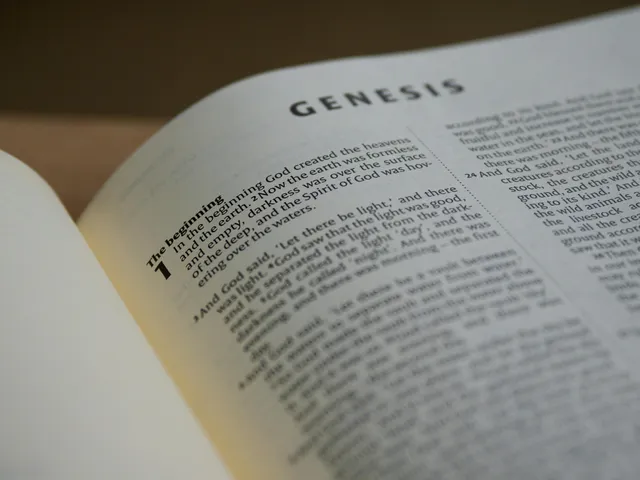
You don't need a seminary degree or a shelf full of commentaries to study the Bible deeply. You just need hunger-a steady, genuine desire to know God through His Word. Every believer can read the Bible as a student, but to study it like a scholar, even without the title, requires a posture of curiosity, humility, and love. The Word of God is not just a book; it's a living conversation. It invites us in, challenges assumptions, and transforms the heart even as it engages the mind.
The Posture of a True Student
Before diving into tools, translations, or study guides, it begins with posture. A scholar's way of study starts with humility-the recognition that we are learners before the infinite wisdom of God. Scripture is not conquered; it is received. Psalms 119:18 gives the prayer of every true student: "Open my eyes that I may see wonderful things in your law."
This means that scholarly study isn't about collecting information but pursuing transformation. It is about letting Scripture interrogate us rather than the other way around. When we approach the Bible as a sacred conversation rather than an academic exercise, it opens up vistas of meaning that the intellect alone cannot grasp.
Choosing Depth Over Speed
In an age of audio summaries and digital shortcuts, we've learned to skim instead of soak. But to study like a scholar, we must slow down. A scholar lingers over words, noticing patterns, structure, and repetition. They ask why certain words were chosen, why a scene unfolds the way it does, why a phrase echoes something earlier in Scripture.
When reading the Sermon on the Mount, for instance, don't just rush through the Beatitudes; dwell on them. What does it mean to be "poor in spirit"? Why is that at the beginning of the list? What kind of kingdom reverses expectations like this? Every question opens a door to understanding. Depth is found not in how much you read, but in how much you absorb.
Learning to See the Layers
The Bible was written in a world far removed from our own, across centuries, cultures, and languages. Yet it is one coherent story revealing the heart of God. To study the Bible like a scholar, we learn to honor those layers-historical, literary, theological, and practical.
Historical Layer
Ask what was happening in the world when a passage was written. When Jeremiah warned his people, Babylon loomed on the horizon. When Paul wrote to the Ephesians, Roman imprisonment framed his words. Understanding context doesn't take away mystery-it enriches it. It helps us grasp how God worked through real moments, real politics, real pain.
Literary Layer
Every genre in Scripture invites us to read differently. Poetry like the Psalms speaks through emotion and metaphor; wisdom books invite reflection; gospels narrate; epistles instruct. A scholar knows how to change gears. Proverbs can't be read like Romans. Genesis 1 can't be read like Revelation 21. Understanding genre isn't academic perfectionism-it's respect.
Theological Layer
Beyond words and history lies the question: What does this passage reveal about God's character and His redemptive plan? A single verse might remind us of a theme unfolding throughout all of Scripture. For example, the image of light runs from Genesis' first creation morning to the final glory of the New Jerusalem. A scholar looks for such threads-seeing how the Bible, though diverse, speaks with one voice about God's purpose.
Tools of the Trade (for the Everyday Reader)
You don't need Greek fluency or academic databases to study thoroughly. You only need curiosity and a few trustworthy resources. A good study Bible is a start-it offers notes that sketch context and links passages together. Pair that with a simple concordance or digital search tool to trace recurring words or themes.
Online, BibleGateway or Blue Letter Bible let you explore cross-references in seconds. Want to dig deeper? Commentaries by faithful scholars like N.T. Wright, John Stott, or Warren Wiersbe can illuminate background without overwhelming. But remember, tools are servants, not masters. They should help you return to the text with new eyes, never replace personal engagement with it.
Reading in Community
Scholars rarely study in isolation. They debate, discuss, and refine ideas through community. Likewise, Christians are called to read the Bible together. When you listen to how others hear the same passage, it deepens perspective. One person might notice a cultural nuance; another, an emotional tone; another, an echo to another part of Scripture. In community, the Spirit multiplies insight.
Maybe you lead a Bible study or simply gather with friends for prayer. Instead of defaulting to quick application questions, try exploring context together. Ask: What do we learn about God here? How does this truth reshape the way we see our world? This is not group trivia-it's communal formation. You'll find that faith not only grows deeper but broader, rooted in shared discovery.
Marking the Text with Purpose
Scholars annotate everything. They scribble in margins, underline phrases, create color codes for recurring words. You can do the same in your own Scripture reading. Mark repetitions: grace, truth, kingdom, light. Circle contrasts: life and death, faith and works, fear and love. Your Bible should look lived-in.
Don't worry about making it neat. Make it yours. Record your questions, your "aha" moments, your uncertainties. Six months later, you'll see how your understanding has grown-and how God's Word has continually met you in new ways.
The Art of Asking Questions
To study like a scholar is to ask good questions. Every passage can be explored through curiosity: Who's speaking? Who's being addressed? Why does this story appear here and not somewhere else? What word or phrase stands out? What emotions are evoked?
When Jesus asks Peter three times, "Do you love me?", why the repetition? When Ruth clings to Naomi and refuses to leave, what kind of loyal love does the Hebrew word *hesed* describe? Each question deepens understanding-not just intellectually, but spiritually. Scripture invites persistent wonder.
Letting Scripture Interpret Scripture
One of the scholar's greatest habits is cross-referencing Scripture. The Bible is its own best commentary. What is hinted at in one place is often explained in another. The faith of Abraham finds its echo in Paul's letters. The cry of the psalmist finds its answer in Christ's suffering. Over time, you begin to see that no verse stands alone.
Build the habit of asking: Where have I seen this before? When studying covenant promises, trace them from Genesis to Revelation. When reading about mercy, compare Jonah's reluctance with the father's joy in the parable of the prodigal son. The tapestry of Scripture reveals one thread running through it all: God's relentless love for His people.
Balancing Knowledge and Worship
It's possible to approach study so analytically that the heart grows cold. True scholarship, however, leads to awe. The deeper you dig, the more the mystery expands. Each discovery should lead to worship. When you see patterns of redemption unfolding across centuries, when a prophetic promise aligns with the life of Christ, it calls for reverence, not pride.
Let your study time end in prayer or silence. Thank God for His Word. Ask Him to plant it deep. Remember, the goal of study is not mastery but intimacy-being known and transformed by the God who speaks.
Living the Word You Study
The final test of true study isn't how many notes we accumulate but how the Word changes us. James urges, "Do not merely listen to the word, and so deceive yourselves. Do what it says." The scholar and the saint share one calling-to embody truth. When your study turns into obedience, you step into the living rhythm of Scripture itself.
Let your findings shape your decisions, confront your prejudices, heal your relationships. When we live what we learn, we become living commentaries of grace to those around us. The Bible is not meant to stay on your desk; it wants to walk into your life.
A Call to Lifelong Discovery
Studying the Bible like a scholar is less about mastering a method and more about nurturing a lifelong friendship with God's Word. You will never "finish" studying Scripture; it is inexhaustible. Every re-reading opens new insight because the Spirit continues to illuminate, comfort, and convict.
So approach your next study session not as a task but as an encounter. Light a candle, open your Bible, whisper the prayer of the psalmist: "Teach me, O Lord, the way of your statutes." Then read slowly. Ask questions. Write what you see. Let silence do its work. And when mystery remains (and it always will), let that lead you to worship.
In the end, the mark of a true student of Scripture is not that they know everything, but that they love the Author more deeply with every page.