Jeremiah, the twenty-fourth book of the Bible, records the prophetic ministry of Jeremiah during Judah's final decades before the Babylonian exile. Called as a youth, Jeremiah delivers God's word with tears, lamenting a stubborn people. He warns of coming judgment through Babylon, pleads for repentance, and is rejected, mocked, and persecuted.
Yet amid sorrow and devastation, Jeremiah offers stunning hope: God will one day make a new covenant written on the heart, restore His people, and give them a future and a hope.
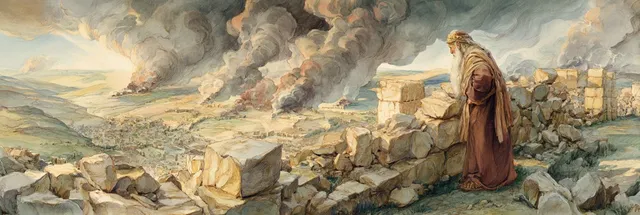
Chapters of Jeremiah
What is Jeremiah about?
Jeremiah begins with the prophet's call: God knew him before birth and set him apart. His message confronts Judah's idolatry, false prophets, and misplaced trust in temple rituals and foreign alliances. Jeremiah warns of Babylon's coming as God's instrument of judgment, symbolized by boiling pots, yokes, and smashed pottery.
The prophet's ministry is marked by laments—personal prayers that reveal the cost of bearing God's word. He is beaten, imprisoned, and branded a traitor, yet remains faithful. Key episodes include the temple sermon (ch. 7), his conflict with kings like Jehoiakim and Zedekiah, and the dramatic burning of his scroll by the king.
Yet Jeremiah is also called the prophet of hope. He speaks of God's plans for the exiles: "plans to give you a future and a hope" (29:11). Most significantly, he proclaims a new covenant (31:31–34), where God will write His law on the heart and forgive sins. The book ends with the fall of Jerusalem, exile to Babylon, and an appendix about the fate of Judah's last king, Jehoiachin.
Who wrote Jeremiah?
Traditionally attributed to Jeremiah, often through his scribe Baruch. The book likely contains collected sermons, laments, narratives, and later editorial shaping in exile. Jewish and Christian traditions receive it as inspired Scripture.
What's Jeremiah's meaning and significance?
Jeremiah teaches that God's holiness demands judgment, but His mercy provides hope. Judgment falls on unrepentant sin, yet God promises renewal beyond exile—a covenant not of stone tablets but of transformed hearts. True faithfulness is not ritual without justice, but humble obedience shaped by God's Spirit.
Is Jeremiah an important book?
Jeremiah is crucial for the theology of covenant, judgment, repentance, prophetic suffering, and restoration. His new covenant prophecy is directly echoed in the New Testament (Hebrews 8–10). The book also models the cost of prophetic ministry and the persistence of hope even amid destruction.
When was Jeremiah written?
Events span from about 627–586 BCE (from Josiah's reforms to the fall of Jerusalem). Compilation and final editing likely extended into the exilic period.
What are the main sections of Jeremiah?
Jeremiah moves from warnings and laments, to sign-acts and confrontations, to judgment and exile, while weaving in oracles of hope and the promise of a new covenant.
The main sections of Jeremiah are:
-
Call and commission Jeremiah 1God appoints Jeremiah as prophet to the nations, promising His presence and power.
-
Oracles of judgment Jeremiah 2–29Accusations of idolatry and injustice; warnings of Babylon; symbolic actions; conflict with kings and prophets.
-
Book of comfort Jeremiah 30–33Promises of restoration, future hope, and the new covenant written on the heart.
-
Fall of Jerusalem Jeremiah 34–39Siege, betrayal, and Jeremiah's suffering; city falls to Babylon.
-
Aftermath and exile Jeremiah 40–52Life under Gedaliah, flight to Egypt, Babylon's judgment, and Jehoiachin's release in exile.
Key Elements of Jeremiah
Understanding the main themes, important people, significant places, and key concepts in Jeremiah helps us grasp its message and apply it to our lives today.
Key Themes
Key Concepts
Key People
Key Places
Chapters of Jeremiah
Select a chapter to read and study: