Ephesians, the forty-ninth book of the Bible, is a sweeping vision of God's eternal plan to unite all things in Christ. Paul emphasizes the church as Christ's body, chosen and redeemed by grace, created for good works, and called to display God's wisdom to the world and heavenly powers.
The letter moves from theology to practice: celebrating God's blessings in Christ (chaps. 1–3), then exhorting believers to live in unity, purity, love, and Spirit-filled relationships (chaps. 4–6). It culminates with the call to put on the armor of God for spiritual battle.
Chapters of Ephesians
What is Ephesians about?
Ephesians begins with a doxology praising God for every spiritual blessing in Christ: election, redemption, inheritance, and the Spirit's seal. Paul prays for believers to know the riches of their hope and power. Salvation is by grace through faith, not works, so no one can boast; believers are God's workmanship, created for good works. Jew and Gentile are reconciled in Christ, becoming one new humanity and a dwelling for God's Spirit.
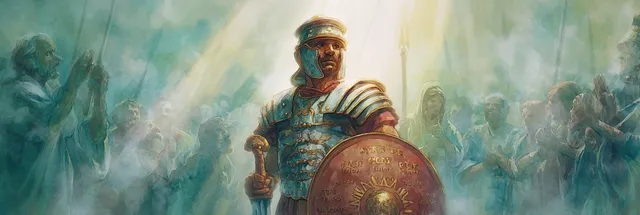
Chapters 4–6 urge believers to walk worthy of their calling: maintain unity, exercise diverse gifts for building up the body, put off the old self, and walk in love and light. Instructions for households teach Spirit-filled relationships: wives and husbands, children and parents, slaves and masters. The letter closes with the famous imagery of the armor of God—truth, righteousness, gospel of peace, faith, salvation, the Spirit's sword, and prayer—for standing firm against spiritual forces of evil.
Who wrote Ephesians?
Traditionally attributed to the apostle Paul, written from prison (Eph 3:1; 4:1; 6:20). Some scholars consider it a circular letter.
What's Ephesians's meaning and significance?
Ephesians teaches that the church is God's masterpiece, united in Christ by grace. Believers are saved not by works but for works prepared by God. Life in Christ is communal, Spirit-filled, and marked by love, purity, and perseverance in spiritual battle.
Is Ephesians an important book?
Ephesians is vital for the theology of church, grace, unity, reconciliation, Spirit, holiness, marriage, and spiritual warfare. It presents a cosmic vision of God's plan and practical guidance for believers living as Christ's body in the world.
When was Ephesians written?
Usually dated AD 60–62, during Paul's Roman imprisonment.
What are the main sections of Ephesians?
Ephesians moves from praise and prayer, to identity and unity in Christ, to practical exhortations for holy living, concluding with spiritual warfare.
The main sections of Ephesians are:
-
Blessings in Christ and Paul's prayer Ephesians 1Spiritual blessings in Christ; prayer for wisdom and revelation.
-
Grace, reconciliation, and the church Ephesians 2–3Saved by grace through faith; Jew and Gentile one in Christ; mystery revealed; prayer for strength.
-
Unity, gifts, and new life Ephesians 4Walk in unity; diverse gifts equip the body; put off the old, put on the new.
-
Walk in love and light Ephesians 5Imitate God; instructions for households; Spirit-filled relationships.
-
The armor of God Ephesians 6Children and parents, slaves and masters; spiritual warfare with the armor of God.
Key Elements of Ephesians
Understanding the main themes, important people, significant places, and key concepts in Ephesians helps us grasp its message and apply it to our lives today.
Key Themes
Key Concepts
Key People
Key Places
Chapters of Ephesians
Select a chapter to read and study: