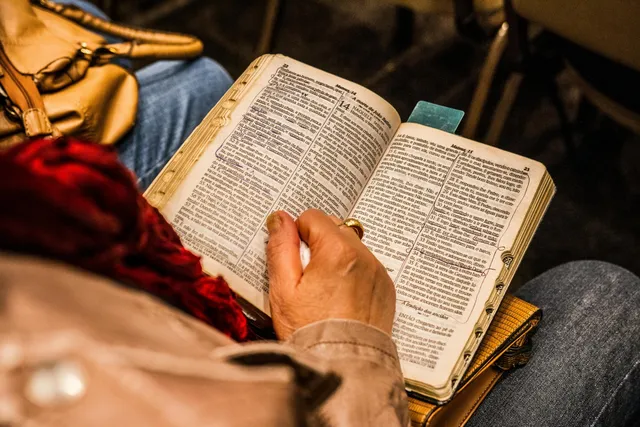
Reading the Bible is not just a spiritual discipline-it's a lifelong conversation with God. But anyone who's ever set out to read it cover to cover knows how quickly enthusiasm can fade once you reach the long genealogies of Genesis or the detailed laws of Leviticus. The Bible is vast, ancient, and richly layered. How do we approach such a holy and complex text in a way that's meaningful, steady, and spiritually transformative? The answer often lies not in rushing through it, but in walking through it-chapter by chapter, listening deeply as we go.
The Journey Begins: Why Chapter by Chapter Matters
Many people start reading the Bible with big ambitions: a year-long plan, a chronological guide, or an ambitious goal to read thirty minutes every morning. Those can be helpful, but the heart of transformation in Scripture isn't about speed-it's about soaking in truth until it shapes the soul. Reading chapter by chapter invites rhythm and reflection. It teaches us to listen carefully, to pause, and to let the Spirit reveal something in each section.
Jesus Himself modeled this kind of attentiveness to Scripture. In Luke 4, when He read from the prophet Isaiah, He didn't scan a few verses for inspiration; He lingered on a passage, read it aloud, and declared its fulfillment in His life. That's what it means to truly engage-allowing the words to meet us in real time, where we are.
Set Your Compass: Start with Expectation
Before diving into chapter one of any book, take a deep breath and pray. Ask the Holy Spirit for one thing above all: the desire to understand God's heart. The Bible isn't a map to control, but a living landscape to explore with humility. Don't read it like a textbook. Read it like you're walking through a field God planted for you.
Choosing Where to Begin
Some prefer to start with Genesis-the grand story of beginnings. Others begin with a Gospel, discovering who Jesus is before reading everything that points to Him. The truth is, there is no wrong place to start if your motive is to know God more intimately. But what matters most is consistency and conversation. Starting small-a chapter a day, no rush-can cultivate a deeper love for Scripture than any timetable ever could.
Reading in Context: Seeing the Whole Picture
To go chapter by chapter does not mean to go blindly. Context is the compass that prevents misdirection. When we read a chapter, we're stepping into a part of a much larger story. Ask: Who wrote this? To whom? Why? What is happening in history at this moment?
When you read, say, 1 Samuel 17-the famous account of David and Goliath-it helps to remember Israel's precarious state: fearful, faithless, and desperate for leadership. Suddenly, David's courage isn't just about slaying a giant; it's a Revelation of God raising up a heart after His own. Each chapter becomes fuller when seen in its grand frame.
The Power of the Pause
Sometimes a single chapter holds more spiritual weight than we can handle in one sitting. That's okay. The Bible is not a race; it's a refuge. When a passage pierces your heart or confuses your mind, pause. Sit with it. Repeat it tomorrow. God often speaks most clearly in repetition. Reading slowly may feel counterintuitive in our age of information, but it is the pace of transformation.
The Spiritual Discipline of Meditation
Psalms 1 paints the picture of a person who delights in the law of the Lord and meditates on it day and night. That word-meditates-doesn't mean silent contemplation alone. It means murmuring, chewing over, returning to again and again. A chapter-per-day habit cultivates that kind of sacred repetition. Over time, Scripture begins to echo inside us-it becomes part of our internal conversation.
Tools, Not Tricks
In our era of apps, podcasts, and multimedia Bibles, it's easy to think we need the latest digital tool to stay engaged. But no tool can replace the work of the Spirit in interpretation and transformation. Still, thoughtful tools can help you navigate and stay accountable. A good study Bible, a simple notebook, or a devotional companion can deepen understanding and provide practical anchors.
Some find it helpful to summarize each chapter in a single sentence. Others prefer to note questions they'll revisit later. Both invite active reading, not passive scanning. Engagement produces endurance. When you interact with the text, you begin to own the story-it becomes part of you.
Let Scripture Interpret Scripture
The Bible is astonishingly self-referential: a tapestry woven from within. One chapter of Isaiah can illuminate a verse in Matthew; a Psalms can echo into Revelation. When you go chapter by chapter and move slowly, you begin to notice how the Spirit ties all things together through the Word. Cross-references aren't just for scholars-they are the Spirit's way of connecting truth to truth.
When Jesus spoke to the disciples on the road to Emmaus in Luke 24, He explained everything written about Himself beginning with Moses and the Prophets. Imagine that journey-a chapter-by-chapter tour guided by the risen Christ Himself! This is what slow, steady reading allows: the awe of discovery, the recognition of Jesus in every shadow and story.
When the Reading Gets Difficult
Every believer eventually hits a chapter that feels dry or foreign. The laws, the lineages, the Lamentations-they can be wearying. But even in those chapters, there's life. Leviticus, for instance, reveals God's holiness and the seriousness of sin. Genealogies remind us that God works through generations and ordinary people with unremarkable names. No verse is wasted in the economy of grace.
When it feels like you're trudging through, remember that every difficult passage points to Jesus. The clean and unclean laws reveal humanity's deep need for His cleansing. The sacrifices foreshadow His ultimate atonement. When the reading becomes challenging, invite Jesus into your confusion. He loves to reveal Himself in the pages that seem most obscure.
Reading Together: The Beauty of Shared Scripture
While private reading builds intimacy with God, shared reading builds community in Christ. Working through the Bible chapter by chapter with a small group, family, or even a friend adds accountability and fresh insight. Someone else's perspective can open your eyes to something you missed. It's one reason the early Church gathered regularly to "devote themselves to the apostles' teaching" (Acts 2:42). The Word was not meant to live in isolation; it was meant to be lived out together.
Try an experiment: meet weekly with others to discuss one or two chapters. No pressure to finish quickly. Just listen, observe, and share what moved you. When believers open Scripture together, the Spirit unveils layers we often overlook alone.
Let the Word Become Flesh in You
The ultimate goal of reading the Bible-chapter by chapter or otherwise-is not just knowledge but transformation. Each page calls us to become a little more like Christ. Scripture is not an intellectual exercise; it's a relational one. As we read, we must also live. Forgive as you read about forgiveness. Serve as you discover the words of Jesus about humility. Let every chapter become an invitation to obey, to act, to love.
James reminds us to be doers of the Word, not hearers only. That's the natural fruit of sustained reading. Over time, the discipline of daily Scripture becomes a living testimony. You start noticing peace in chaos, clarity in confusion, and courage where fear used to live. The Word begins to dwell richly within you, shaping your instincts and renewing your mind.
Returning to the Beginning: The Endless Circle of Revelation
One of the wonders of Scripture is that you can finish reading it-and still, you're only just beginning. Each time you loop back to Genesis after reaching Revelation, you're a different person. The words you once skimmed now glimmer with new meaning because your heart has been changed along the way. That's why reading chapter by chapter is never truly finished-it's a rhythm of rediscovery.
God often uses repeated readings to reveal new depths. What once seemed difficult may suddenly make sense. What once comforted you in sorrow may now challenge you toward growth. This is the living nature of God's Word-it grows with you, because its Author walks beside you through every page.
Walk the Road With Wonder
When you commit to reading the Bible chapter by chapter, you aren't merely ticking off a goal. You're engaging in a lifelong conversation with the living God. You're walking the same road that prophets, poets, apostles, and ordinary believers have walked for centuries. There will be days of clarity and days of confusion, moments of joy and stretches of dryness-but through it all, the Word remains steadfast, faithful, and alive.
The best way to work through the Bible is to let the Bible work through you. Each chapter is an opportunity for divine encounter-a whisper of grace, a spark of conviction, a reminder that God is present right there, between the lines. Read slowly. Read prayerfully. Read expectantly. The same Spirit who inspired those sacred words will awaken new life within you, one chapter at a time.