Proverbs, the twentieth book of the Bible, is a collection of wise sayings and poems that teach how to live skillfully in God's world. The book opens with the motto that "the fear of the LORD is the beginning of knowledge" (Prov 1:7) and unfolds through instructions from parents, speeches of Wisdom, and memorable maxims.
Its pages offer guidance on relationships, work, speech, justice, wealth, and integrity. Proverbs portrays wisdom as more precious than jewels, a tree of life for those who embrace her. The goal is not just cleverness, but a life rooted in reverence for God and shaped by righteousness.
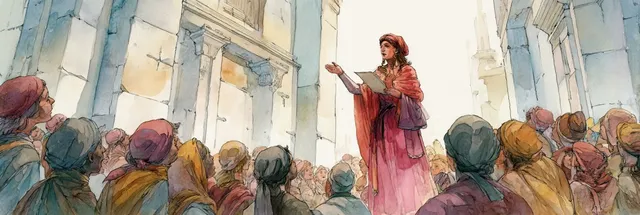
Chapters of Proverbs
What is Proverbs about?
Proverbs gathers the wisdom of Israel into a treasury for daily life. The book begins with extended exhortations (ch. 1–9) where parental voices and Lady Wisdom urge the reader to avoid folly and pursue wisdom with zeal. Then come large collections of concise sayings (ch. 10–29), many attributed to Solomon, others to "the wise," Agur, and King Lemuel. These sayings address honesty, diligence, humility, justice, generosity, sexual purity, and self-control.
Proverbs frames wisdom as practical, ethical, and spiritual. It is not abstract philosophy but skill for godly living in the real world. The book closes with an acrostic poem praising the virtuous woman (Prov 31), showing wisdom embodied in a life of diligence, kindness, and fear of the LORD.
At the heart of Proverbs lies a conviction: choices have consequences. Wisdom leads to life, honor, and security; folly leads to ruin. Yet wisdom is ultimately a gift from God, calling for humility and reverence rather than self-reliance.
Who wrote Proverbs?
Traditionally attributed to Solomon, who is said to have spoken thousands of proverbs (1 Kings 4:32). Some later sections are attributed to "the wise," Agur, and Lemuel, suggesting a process of compilation across generations. Received as inspired Scripture, it reflects Israel's wisdom tradition.
What's Proverbs's meaning and significance?
The message of Proverbs is that wisdom begins with fearing the LORD and flows into every area of life. It calls readers to align with God's moral order, to value discipline and humility, and to seek righteousness over pride or greed.
Is Proverbs an important book?
Proverbs is essential for the theology of wisdom, creation order, covenant faithfulness, and daily discipleship. It bridges faith and practice, showing that honoring God touches speech, work, relationships, money, and justice. The book's vision of wisdom anticipates Christ, who is called the wisdom of God (1 Cor 1:24).
When was Proverbs written?
Likely compiled between the 10th–5th centuries BCE, beginning with Solomon's reign and shaped through Israel's history, with final arrangement in the post-exilic period.
What are the main sections of Proverbs?
Proverbs moves from appeals to pursue wisdom (chs. 1–9), to collections of sayings and comparisons (chs. 10–29), and concludes with words of Agur and Lemuel plus the portrait of the virtuous woman (chs. 30–31).
The main sections of Proverbs are:
-
Pursuit of wisdom Proverbs 1–9Parental exhortations and speeches of Lady Wisdom calling to reject folly and embrace wisdom.
-
Sayings of Solomon Proverbs 10–22Practical maxims on honesty, diligence, justice, speech, wealth, and relationships.
-
Sayings of the wise Proverbs 22–24Further teachings urging fairness, humility, and trust in the LORD.
-
More proverbs of Solomon Proverbs 25–29Collected by Hezekiah's men; focus on kingship, restraint, and justice.
-
Words of Agur Proverbs 30Humility before God's greatness; warnings against arrogance and greed.
-
Words of Lemuel and the virtuous woman Proverbs 31Advice from Lemuel's mother and the acrostic poem honoring the wise, industrious woman.
Key Elements of Proverbs
Understanding the main themes, important people, significant places, and key concepts in Proverbs helps us grasp its message and apply it to our lives today.
Key Themes
Key Concepts
Key People
Key Places
Chapters of Proverbs
Select a chapter to read and study: