Psalms, the nineteenth book of the Bible, is a collection of 150 songs and prayers that give voice to the whole range of human experience. From exuberant praise to anguished lament, from trust in God's kingship to longing for His presence, the Psalms shape the worship and devotion of God's people.
They were sung in Israel's temple worship and remain central in Jewish and Christian prayer today. Together, they teach believers how to pour out their hearts before the LORD with honesty, faith, and hope.
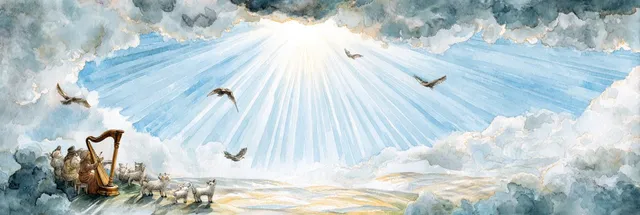
Chapters of Psalms
What is Psalms about?
The book of Psalms is divided into five books, echoing the five books of the Torah. These psalms were composed over many centuries, by authors including David, Asaph, the sons of Korah, Moses, and others.
The Psalms include hymns of praise (e.g., Psalm 100), laments (e.g., Psalm 13), thanksgivings (e.g., Psalm 30), royal psalms about God's king (e.g., Psalm 2), wisdom psalms (e.g., Psalm 1), and messianic psalms that point forward to Christ (e.g., Psalm 22).
Many psalms express raw emotion: fear, anger, grief, or joy—yet they nearly always turn to God's steadfast love and covenant faithfulness. The book ends with a crescendo of hallelujah psalms (146–150), calling all creation to praise the LORD.
The Psalms serve as Israel's hymnbook, a treasury of worship that transcends time. They train the heart in prayer, form the imagination in hope, and declare that the LORD reigns forever.
Who wrote Psalms?
Traditionally associated with David (to whom 73 psalms are attributed), with others written by Asaph, sons of Korah, Solomon, Moses, and anonymous authors. Compiled over centuries into the final canonical collection.
What's Psalms's meaning and significance?
The message of Psalms is that God is worthy of worship in every circumstance. He is sovereign King, compassionate Shepherd, righteous Judge, and faithful Savior. The Psalms teach believers to bring their whole lives before Him—joys, sorrows, questions, and hopes—trusting that His covenant love endures forever.
Is Psalms an important book?
Psalms is central to the theology of worship, prayer, kingship, lament, thanksgiving, trust, and messianic hope. It has shaped Jewish and Christian liturgy for millennia and remains the most quoted Old Testament book in the New Testament. It gives believers words when their own fail.
When was Psalms written?
Composed between the time of Moses (15th–13th c. BCE) and the post-exilic period (5th–4th c. BCE). The final form likely shaped in the Second Temple era.
What are the main sections of Psalms?
Psalms is arranged into five books that move from lament and petition to praise and hope. It trains God's people to worship in every season of life.
The main sections of Psalms are:
-
Book I Psalms 1–41Mostly psalms of David, emphasizing trust, lament, and God's protection.
-
Book II Psalms 42–72Includes Korahite and Asaph psalms; laments, royal psalms, and prayers for the king.
-
Book III Psalms 73–89Asaph psalms dominate; themes of national lament, God's holiness, and covenant questions.
-
Book IV Psalms 90–106Begins with Moses' psalm; celebrates God's eternal kingship and covenant faithfulness.
-
Book V Psalms 107–150Includes great hallelujah psalms; thanksgiving, trust, and climactic universal praise.
Key Elements of Psalms
Understanding the main themes, important people, significant places, and key concepts in Psalms helps us grasp its message and apply it to our lives today.
Key Themes
Key Concepts
Key People
Key Places
Chapters of Psalms
Select a chapter to read and study: