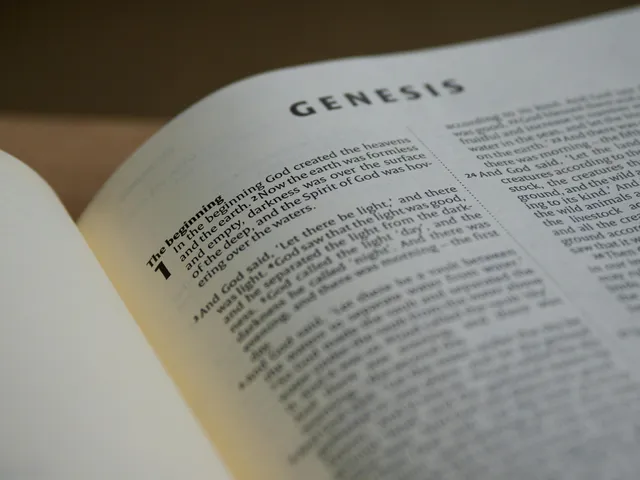
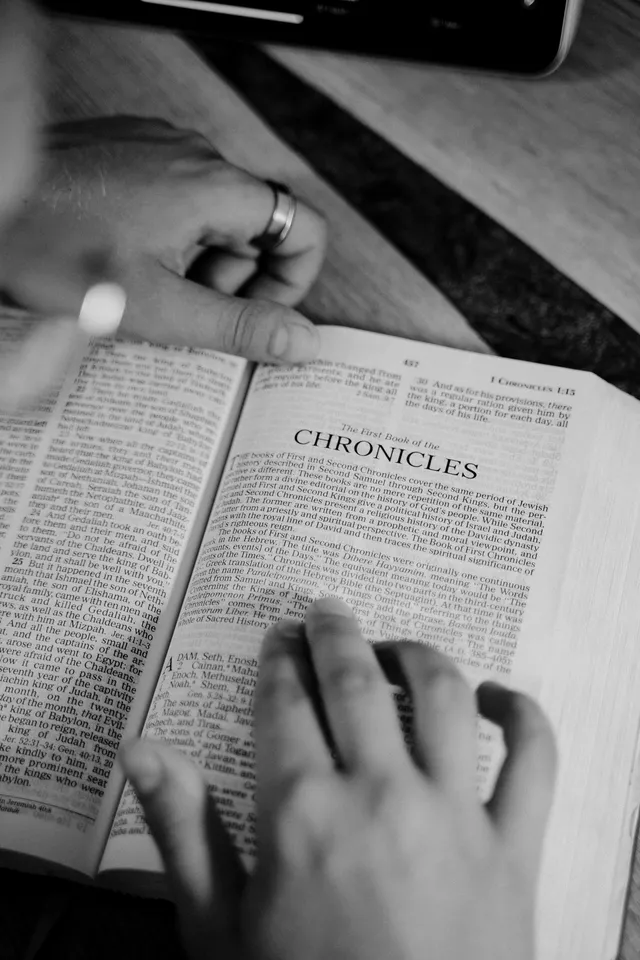
The Bible is more than just a collection of sacred writings - it is a story spanning centuries, held together not by human ambition but by divine orchestration. Yet somewhere between divine inspiration and the bound pages we hold today, an honest question lingers: Who decided the order of the Bible books? The arrangement feels purposeful-Genesis to Revelation, the story of creation to the promise of new creation-but the journey that brought about that sacred sequence is as fascinating as it is faith-building.
The Divine Thread in a Human Process
When we open our Bibles, we see God's Word laid out in a specific sequence. But it's worth remembering that the Bible was not handed down as a single book. The Scriptures were written over roughly 1,500 years, through more than 40 authors-prophets, kings, shepherds, fishermen, and scholars-on three continents and in three languages. For generations, God's people treasured these writings individually before they were gathered together.
Still, even amid that human process, there was always a divine thread of guidance. The same Spirit who inspired the authors also oversaw the shaping of the biblical story. The arrangement we have today was not the result of random sorting or political decree but the fruit of sacred discernment, historical continuity, and the providence of God.
How the Old Testament Took Shape
For Jewish readers before the time of Christ, the Scriptures were already considered holy. The Hebrew Bible, or Tanakh, had three primary sections: the Torah (Law), the Nevi'im (Prophets), and the Ketuvim (Writings). This threefold division is even echoed by Jesus Himself. In Luke 24:44 He said, "Everything must be fulfilled that is written about Me in the Law of Moses, the Prophets, and the Psalms." That simple statement affirmed not only the authority of these texts but also their order.
The traditional Hebrew arrangement began with Genesis and concluded with 2 Chronicles-a book ending with Israel's partial restoration from exile and the hopeful edict of Cyrus that Jerusalem's temple would be rebuilt. For Jewish readers, that was a fitting close to God's covenant story. Centuries later, as the Scriptures began to circulate among Greek-speaking readers, the books were translated into Greek in what became known as the Septuagint. There, the order was adjusted: now the historical books concluded with the prophets, creating a prophetic bridge that led seamlessly toward the coming Messiah.
A Shift of Perspective
That shift matters more than we might think. The difference between ending with a rebuilding decree (Hebrew order) and ending with prophecy (Greek order) subtly reframed how people were prepared for Christ. The early Christian community inherited the Septuagint's arrangement, which flowed naturally into the New Testament story. History and prophecy pointed straight to Jesus.
The New Testament and Its Spirit-Led Sequence
When the apostles began writing letters and Gospels, there was no formal "Bible committee" deciding what came first. These writings circulated independently through the early churches, copied and shared by hand. By the end of the first century, the Gospels of Matthew, Mark, Luke, and John were widely read, while the letters of Paul were treasured across growing Christian communities.
Over time, certain patterns emerged. The order of New Testament books was influenced by several natural factors: authorship, theme, length, and theological flow. The Gospels were placed first, forming a narrative foundation about Jesus' life, death, and resurrection. Acts followed logically, telling the story of how the Good News spread. Then, Paul's letters-arranged mostly by length, from Romans (the longest) to Philemon (the shortest)-were grouped together. Finally came the general letters, and Revelation fittingly concluded the collection as the climactic vision of God's restoration.
Why Revelation Belongs at the End
Some have wondered whether Revelation could have appeared earlier in the New Testament, but its placement was no accident. Biblically and spiritually, it belongs at the end. From Genesis' garden to Revelation's new creation, the biblical story moves from beginning to fulfillment. The first book shows humanity's separation from God; the last reveals the reunion. That arc-from Eden lost to Eden restored-forms the very heartbeat of Scripture.
No Council "Invented" the Order
A common misconception is that church councils sat down to decide the Bible's structure in one decisive moment. But history tells a gentler, more organic story. The councils of church history-such as at Hippo (393 AD) and Carthage (397 AD)-did not invent or impose a Bible order; they confirmed and recognized what had already been accepted widely by believers across different regions.
These gatherings essentially affirmed, "This is what the church at large has already cherished as Scripture." The sequence itself had developed slowly and reverently, passing through hands and hearts guided by the conviction that God's Word is living and unified. Every decision, even about sequence, was an act of worship.
Reading Order as Narrative Journey
Have you ever noticed how naturally the Bible's flow reads as a grand story? Genesis introduces the Creator; Exodus reveals His deliverance; the Law, the Prophets, and the Writings all anticipate His coming kingdom. The Gospels open that promise through the life of Christ, then Acts shows the Spirit moving through His people, and the letters strengthen the church for daily faith before Revelation unveils the final victory. It feels intentional-because it is.
The Spirit weaves cohesion even through what appear to be historical coincidences. The order underlines a theology of hope. The Old Testament ends in longing; the New Testament ends in fulfillment. Between the two Testaments lies four centuries of silence-exactly enough time for hearts to thirst for Emmanuel, God with us.
The Story Beneath the Sequence
Perhaps the question isn't simply "who decided the order" but "why did God allow it to come together this way?" Because through the sequence, He preaches-without words-the arc of redemption. Even before you read the text, the very structure of your Bible whispers the gospel story.
Unity in Diversity
One remarkable feature of the biblical arrangement is how unity shines through diversity. The variety of authors, settings, and centuries could have produced chaos. Instead, we have a coherent symphony of salvation. Like the arrangement of instruments in a great orchestra, every book has its place, its voice, its divine timing.
And yet, just as orchestras across the world may adjust slightly for style or culture, different Christian traditions have preserved small variations in order. The Eastern Orthodox, Roman Catholic, and Protestant Bibles, for example, contain slightly different sequences or additional books considered deuterocanonical. But the melody of redemption remains the same. The central message-God's faithful pursuit of His people-never moves out of place.
The Living Word in Our Hands
When you hold a Bible, you're holding the fruit of centuries of prayer, faith, and divine craftsmanship. The order of its books is the product of countless believers who, often in persecution and poverty, preserved the words of God with care. Yet above all, what you hold is a living testimony. Scripture's structure is not a museum shelf-it's a heartbeat.
Each book builds toward the next, each pointing back to Christ: the Law anticipates Him, the Prophets foretell Him, the Gospels reveal Him, the Epistles explain Him, and Revelation exalts Him as reigning forever. What greater symmetry could there be?
Let the Order Draw You into the Author
The next time you begin a Bible reading plan or flip between books, pause to marvel at how it all fits. Someone-many "someones" over many generations-labored to preserve this sacred story. But behind every scribe's pen and every translator's labor stood One greater still. The same Spirit who hovered over the waters in Genesis and who descended on the disciples in Acts still orders the words of Scripture in the hearts of His readers today.
So when you move from Genesis to Revelation, you're not just following a list-you're walking a spiritual pathway. You are retracing the footprints of redemption. You are meeting the Author who never lost the thread.
Trust the Hand That Orders All Things
Who decided the order of the Bible books? Human hands arranged the pages, but a divine heart guided the process. That same God still orders the steps of His people (Psalms 37:23). Just as the Scriptures came together perfectly in His timing, your own life-though it may feel out of sequence at times-is being written by the same faithful Author.
Every book, every word, and every ordering of the Bible reveals one truth: God is a God of order, purpose, and promise. And just as He ordered His Word, He orders your days. You are not a footnote in a forgotten chapter; you are part of His ongoing story. So open the book again with awe. Its order is not random-it's Revelation, divine choreography in written form. And every time you turn a page, heaven's Author is still speaking.