2 Chronicles, the fourteenth book of the Bible, continues Israel's story with a focus on Judah. It begins with Solomon, whose wisdom and wealth culminate in the dedication of the temple. From then on, the spotlight is on Judah's kings—some faithful, many unfaithful—and the prophets who call them back to God.
The book highlights reforms under Asa, Jehoshaphat, Hezekiah, and Josiah, but records decline under others who forsake the covenant. It closes with the Babylonian exile, yet ends with Cyrus's decree, a glimmer of restoration and hope.
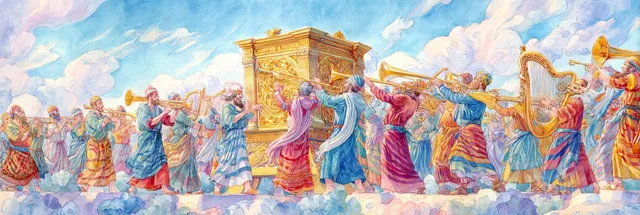
Chapters of 2 Chronicles
What is 2 Chronicles about?
2 Chronicles traces Judah's history from Solomon to the exile. It opens with Solomon's wealth, wisdom, and the building of the temple, where God's glory fills the house and Solomon prays for mercy when the people sin. Later kings are measured by their response to the covenant: Asa seeks the LORD and is blessed; Jehoshaphat relies on God in battle; Hezekiah purifies the temple and celebrates Passover; Josiah discovers the Book of the Law and renews the covenant.
But other kings lead Judah into compromise and apostasy, shedding innocent blood, worshiping idols, and resisting prophetic calls. Ultimately, judgment falls: the temple is destroyed, Jerusalem burned, and the people exiled to Babylon. Yet the book does not end in despair—it records Cyrus's decree, allowing the people to return and rebuild, signaling God's faithfulness to His promises.
Who wrote 2 Chronicles?
Traditionally attributed to Ezra or the Chronicler, writing with access to genealogies, royal annals, and prophetic records. Received as inspired Scripture in Jewish and Christian tradition.
What's 2 Chronicles's meaning and significance?
The message of 2 Chronicles is that God blesses humble seekers and disciplines arrogant rebels. True leadership is measured not by power or wealth but by faithfulness to God's covenant and worship. Even in judgment, God's mercy creates new beginnings.
Is 2 Chronicles an important book?
2 Chronicles underscores the theology of temple, worship, repentance, reform, and restoration. It shows that the destiny of the nation turns on seeking the LORD wholeheartedly, and it keeps alive the hope that God's promises endure beyond exile.
When was 2 Chronicles written?
Commonly dated to the late 5th–4th centuries BCE, during or after the post-exilic restoration, drawing on earlier sources.
What are the main sections of 2 Chronicles?
2 Chronicles moves from temple dedication (Solomon) to covenant faithfulness and failure (Judah's kings), and ends with exile and hope (Cyrus's decree).
The main sections of 2 Chronicles are:
-
Solomon's reign and the temple 2 Chronicles 1–9Solomon's wisdom, wealth, and temple construction; dedication prayer and God's glory.
-
Early kings and reform 2 Chronicles 10–20Division under Rehoboam; Asa's and Jehoshaphat's reforms; deliverance through reliance on God.
-
Hezekiah and renewal 2 Chronicles 29–32Hezekiah cleanses the temple, restores worship, and celebrates Passover; trusts God against Assyria.
-
Josiah and the Book of the Law 2 Chronicles 34–35Josiah's reforms, covenant renewal, and tragic death in battle.
-
Decline, destruction, and exile 2 Chronicles 36Judah's last kings reject God; Jerusalem falls; exile in Babylon; Cyrus's decree offers restoration.
Key Elements of 2 Chronicles
Understanding the main themes, important people, significant places, and key concepts in 2 Chronicles helps us grasp its message and apply it to our lives today.
Key Themes
Key Concepts
Key People
Key Places
Chapters of 2 Chronicles
Select a chapter to read and study: