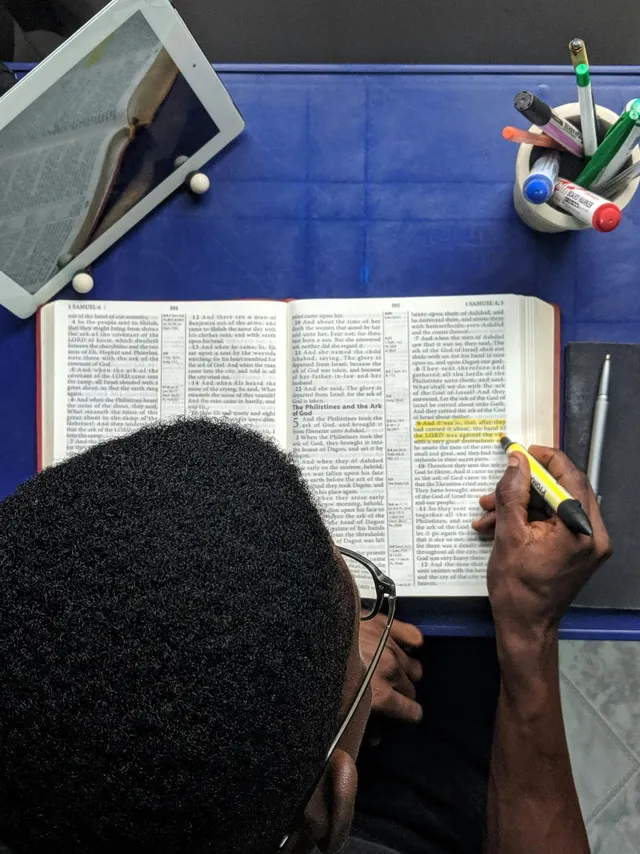
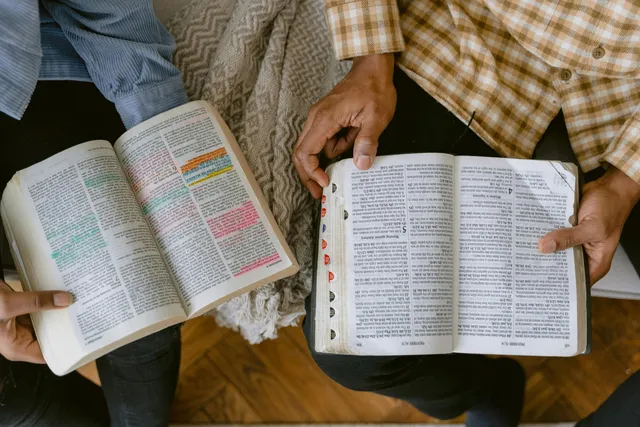
The Bible is unlike any other book you will ever read. It is ancient and yet alive, sacred and yet deeply personal. Many people approach it with both excitement and hesitation-wondering where to begin, what it really means, or how it can possibly speak to the challenges of modern life. But starting to read the Bible isn't about mastering a text; it's about beginning a conversation with God. And like all meaningful conversations, it takes time, patience, and a willing heart.
Finding Your Why
Before you open the first page, take a moment to ask yourself why you want to read the Bible. Is it out of curiosity? A longing for peace? A desire to know God more deeply? The Bible is not a puzzle to solve-it's an invitation to relationship. When your heart is tuned to that truth, the pages you read become less like ancient history and more like a mirror reflecting your own spiritual journey.
As the Psalmist writes, "Your word is a lamp to my feet and a light to my path" (Psalms 119:105). That verse is not about information-it's about illumination. Reading Scripture helps us see the next step, even when we cannot see the whole road ahead.
Starting Small, Starting Strong
One of the biggest mistakes beginners make is trying to read the Bible straight through, from Genesis to Revelation, as though it were a novel. While that might seem logical, the result is often frustration. Genesis begins dynamically, but soon readers find themselves bogged down in genealogies, ancient laws, and cultural contexts that can feel distant from everyday life.
Instead, consider starting with one of the Gospels-Matthew, Mark, Luke, or John. These books tell the story of Jesus' life and ministry. They show His compassion, His wisdom, and His heart for people. Reading a Gospel first gives you a direct encounter with Jesus, the center of it all. After all, as the Gospel of John reminds us, "In the beginning was the Word, and the Word was with God, and the Word was God." When you meet Jesus in Scripture, you meet the Word alive.
Other Good Beginnings
After a Gospel, you might explore Psalms for prayer and worship, or Proverbs for daily wisdom. Each of these books offers something rich but accessible. Psalms gives voice to the full range of human emotion-joy, sorrow, doubt, and praise. Proverbs distills godly wisdom into everyday language, teaching us how to walk wisely in a complex world.
Create a Sacred Rhythm
Like any new habit, reading the Bible becomes fruitful through rhythm. You don't need hours every day-begin with 10 or 15 minutes. Set aside a quiet place and a consistent time. Many find early morning powerful, when the mind is uncluttered and the day is waiting to unfold. Others prefer evening, a gentle time to reflect and let God's Word settle the heart before sleep.
What matters most is not the time of day, but the faithfulness of the encounter. Over time, this simple act will become holy ground. You will learn to hear God's voice not just on the page, but in the pauses, the questions, the moments when a phrase seems to speak directly into your life.
Pray Before You Read
The Bible is not meant to be read only with the intellect-it's meant to be read with the heart and the Spirit. Before opening the pages, whisper a simple prayer: "Lord, speak to me through Your Word today." Then listen. Approach Scripture not as a textbook but as a living conversation. The Holy Spirit, promised by Jesus as our Teacher and Comforter, helps us understand what we read in ways that no commentary or study guide can fully capture.
Prayer transforms reading into communion. Even when you finish a passage not fully understanding it, trust that your spirit has absorbed something true and good. God's Word never returns empty; it always accomplishes something (Isaiah 55:11).
Reading for Relationship, Not Perfection
Beginners often worry about reading "the right way." They wonder, Am I interpreting this correctly? Am I doing this wrong? While study tools can help, remember that your relationship with Scripture is ultimately your relationship with God. It's okay to be uncertain; it's okay to ask questions. The disciples themselves often didn't understand Jesus right away, but they stayed near Him-and that nearness changed them.
Give yourself grace. Some days the words will leap off the page; other days they will feel distant. Some passages will warm your heart; others will leave you puzzled. Faith is not proven by constant clarity but by constant trust. Keep showing up. Keep reading. Over time, the pieces begin to connect, and the story of God's love starts to shape your own life story.
Let the Story Speak to You
One of the Bible's enduring miracles is that it speaks to us personally, yet always points beyond us. Abraham's faith, Ruth's loyalty, David's failures, Mary's courage-all become windows through which we see our own humanity and God's redeeming grace. The Bible is not merely telling their story; it's inviting you to find your place in God's unfolding story of redemption.
Ask simple, honest questions as you read: What does this reveal about who God is? What does this teach me about faith, love, forgiveness, or hope? How might I live differently because of what I've read today?
Reading With Mind and Heart
Engage both your intellect and emotions. If a passage confuses you, mark it and return later. If something stirs your heart, pause and rest with it. Let Scripture move you. Sometimes a single verse can nourish your soul for days. Other times, a long narrative may open up truths you've never considered before. This is the beauty of a book that is divine in origin yet human in expression-it meets us exactly where we are.
Tools and Companions Along the Way
In our digital age, we have endless resources-apps, study Bibles, podcasts, and devotionals. Use them wisely, not to replace your personal reading but to enrich it. A good study Bible can offer context, maps, and notes to clarify what you're seeing. Devotional guides can help connect daily readings to life. But never forget that the heart of Bible reading is not data-it's dialogue.
Reading with others can also be life-giving. Consider joining a Bible study, small group, or reading plan with friends. Sharing insights and questions with others often opens up new dimensions of meaning. As Proverbs 27:17 reminds us, "As iron sharpens iron, so one person sharpens another."
When You Feel Overwhelmed
Every beginner experiences moments of discouragement. Some sections of Scripture are challenging, especially parts of the Old Testament with complex laws or prophecies. Don't let that discourage you. Remember that the Bible was written across many centuries, cultures, and languages-it's okay if not everything makes immediate sense.
If you feel stuck, return to what's clear and close to your heart. Maybe that means rereading the Sermon on the Mount, or a Psalms that comforts you. The goal is not to check off chapters, but to stay connected to God's voice. Even the confusion can become sacred space when you bring it honestly before Him.
Let Scripture Shape Your Life
As you read more regularly, you'll notice subtle changes. A verse will come to mind when you need strength. A story will surface when you face a moral choice. The Word of God begins to weave itself into your everyday thoughts and decisions. You will start to recognize that the Bible is not just an ancient record-it is living counsel.
Transformation, not information, is the measure of success. When Scripture plants seeds of kindness, humility, forgiveness, or courage in your soul, the purpose of reading has been fulfilled. The goal was never simply to know about God but to know God Himself.
Keep the Long Vision
Like a lifelong friendship, your relationship with the Bible will deepen over time. The same passage you read today may reveal new meaning years from now. Seasons of sorrow or joy will color how you hear God's Word. That's part of its mystery-it grows with you. The Spirit keeps speaking through the same words in endlessly new ways.
So be patient. Don't rush. Let each reading, however small, become an act of faith-a simple opening of the heart to listen. The Lord delights in that openness more than in any achievement.
A Word to the Hesitant Heart
If you're still holding back, feeling unworthy or unsure, remember this: God delights to meet His children where they are. There is no prerequisite level of knowledge or holiness required. The Bible is not a book for experts-it's a love letter for seekers, the weary, and the wondering. You are welcome to begin exactly where you are, today.
God's Word has guided countless generations through storms, questions, and change. It will guide you, too. As you take the first small steps, trust that the same God who inspired Scripture will gently illuminate its meaning for you.
A Journey Worth Beginning
Learning to read the Bible is like learning to walk by faith itself-one step at a time, one page at a time. You don't need to have everything figured out, only the willingness to begin. Every time you open the Bible, you are stepping into a sacred dialogue between God and His people-between the eternal Word and your present life.
So begin today. Choose a Gospel. Say a prayer. Read a few verses. Let it speak. Then return tomorrow. Over time, you'll find that the Bible isn't simply something you read; it's something that reads you-calling you gently, faithfully, into deeper life with God.