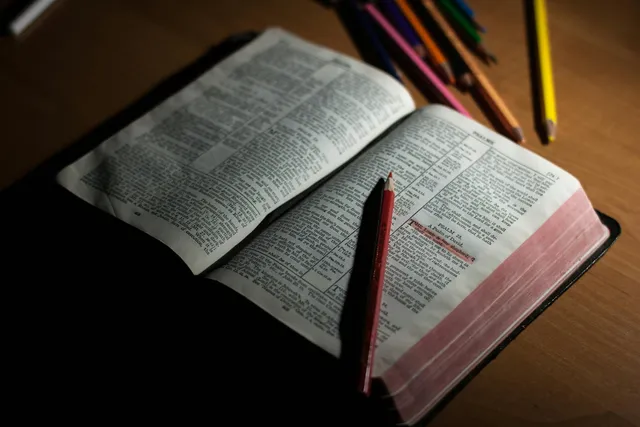
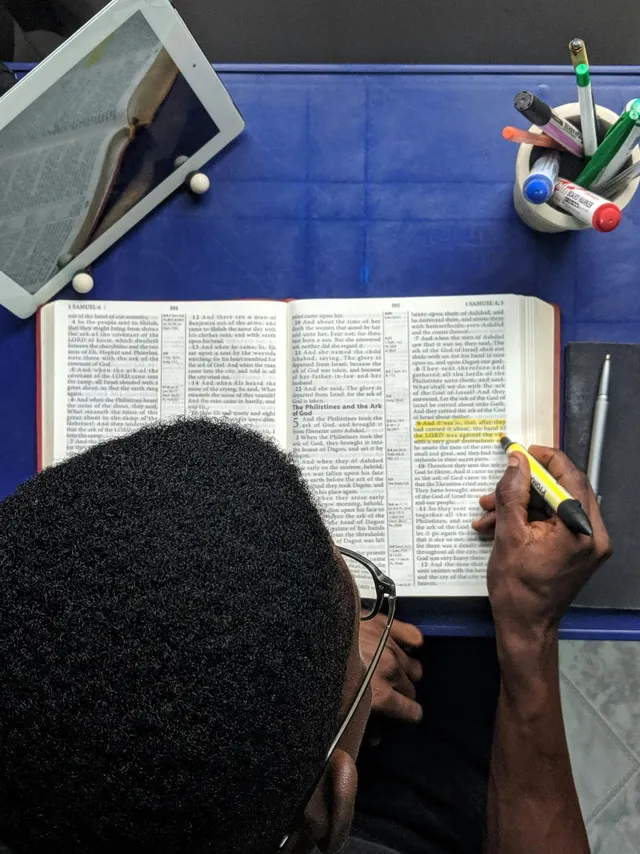
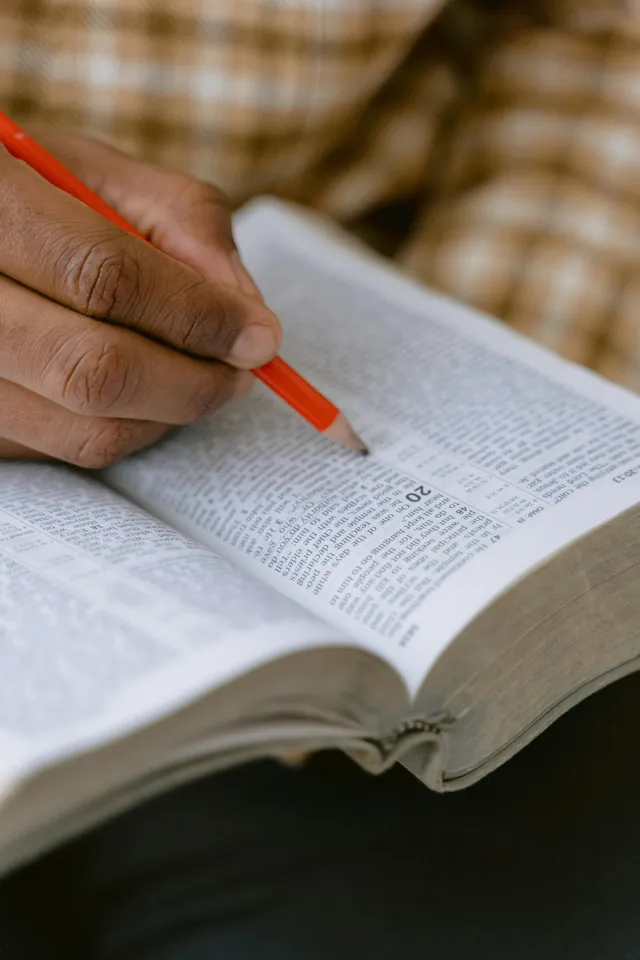
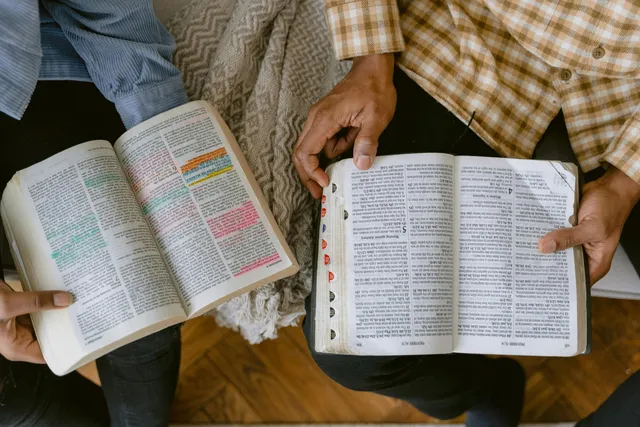
For many Christians, reading the Bible feels like stepping into a vast, holy landscape. There are mountains of Revelation, valleys of genealogy, deserts of silence, and streams of living promise. But sometimes, it can be hard to know where to begin-or how all the pieces fit together. Reading the Bible chronologically can transform how we understand God's story and our place within it. Instead of moving book by book in the traditional order, this approach invites us to follow the story as it unfolded through history. It's not just another reading plan; it's a journey through time with the Author of time Himself.
Why Read the Bible Chronologically?
We often read Scripture in the traditional order-Genesis to Revelation-without realizing that the Bible isn't organized like a modern history book. Its books are grouped by type: law, history, poetry, prophecy, gospel, letters, and apocalyptic vision. The result? Events from the same period can appear scattered across different sections.
Reading chronologically reconnects those scattered threads. It's like watching a deeply layered story unfold in proper sequence-where God's covenant promises, human choices, and prophetic words line up in time. We witness God's faithfulness not just verse by verse, but generation by generation.
When you trace the story chronologically, you see the patient rhythm of redemption more clearly. You meet the same God walking consistently through every chapter-from the garden to the cross to the new creation. And perhaps most beautifully, you start to see how your own story fits into His ongoing narrative.
How the Chronological Approach Changes the Way We Read
When you read the Bible in a linear sequence through history, moments that once felt disconnected come alive with new depth. David's Psalms shine differently when read alongside the events of 1 and 2 Samuel. The prophetic warnings of Isaiah and Jeremiah gain context when paired with the rise and fall of Israel's kings. Even the Gospels, read in harmony, show the unfolding pace of Jesus' ministry with intimate clarity.
It Slows You Down-and That's a Gift
Reading chronologically isn't about speed. It's about story. The goal isn't to "get through" the Bible; it's to walk through it. When you read a prophet's words in the same chronological moment as a nation in rebellion, your heart connects more deeply to God's passion and patience. You begin to see why certain words needed to be spoken and how hope survived even exile and chaos.
It Reveals God's Character in Real Time
Chronological reading helps us see the unfolding nature of God's self-Revelation. From creation to covenant, from kings to captivity, from manger to resurrection, the same God keeps showing up-holy, loving, unrelenting in mercy. Instead of abstract ideas about God, you experience His character through centuries of interaction with His people.
Getting Started: A Practical Guide
There's no single "right" chronological order, because biblical scholars reconstruct timelines slightly differently. But most plans follow the same broad rhythm-from Genesis to early Job, through Israel's patriarchs, Egypt, wilderness, monarchy, exile, restoration, and into the early church. Whether you use a chronological Bible or a curated reading plan, the goal is the same: to let Scripture's story breathe in sequence.
Step One: Choose the Right Plan
Many study Bibles and reading apps now offer chronological options. Some interweave Old and New Testament readings, helping you notice how Old Testament themes echo in Jesus' ministry. Others focus solely on the Old Testament before moving forward. Choose what fits your rhythm and spiritual goals. The best plan is the one you'll actually engage with.
Step Two: Read with Curiosity, Not Perfection
Don't worry about remembering every timeline or date. The purpose is not mastery but relationship. As you move from the patriarchs to the prophets to the apostles, let your curiosity lead. Ask: What is God doing here? How does this scene reveal His heart? What echoes of Christ do I hear in these ancient stories?
Step Three: Add Journaling or Reflection
Chronological reading creates an ongoing dialog between you and God. Keeping a journal helps you see patterns emerging-where God's promises are fulfilled, how His mercy endures, how His people falter and rise again. Over time, those notes become a map of your own spiritual journey alongside God's redemptive timeline.
Seeing the Story as a Whole
One of the most transformative results of chronological reading is the rediscovery of unity. The Bible is not a collection of random writings-it's one great, deliberate story. From "In the beginning" to "Amen," it follows a rhythm of creation, fall, redemption, and restoration. When read in order, the threads of covenant and promise grow stronger, guiding you toward the cross as the central hinge of all history.
Old Testament Echoes
As you move chronologically through the Old Testament, you'll begin to catch patterns of anticipation-foreshadowing moments of Christ's coming. God's covenant with Abraham, the symbolism of the Passover lamb, the faithfulness of Ruth, the poetic longing in the Psalms-all these reach forward to find fulfillment in Jesus. When you read the story of humanity's longing in sequence, you'll recognize your own longing too-and the faithfulness that meets it.
The Seamless Transition to the New Testament
Chronological reading helps remove the "gap" between the Testaments. The quiet centuries between Malachi and Matthew suddenly feel alive with tension and hope. You sense what the world was waiting for. When John the Baptist shouts in the wilderness, his voice reverberates against centuries of silence. And when angels sing at Christ's birth, the music carries the full weight of God's promises finally kept.
Dealing with Tough Sections Along the Way
Let's be honest: reading chronologically will take you through some of the most challenging portions of Scripture-lengthy genealogies, detailed laws, wars, and prophetic oracles. But in this reading method, even these passages make sense as acts in a larger drama. They show what happens when God enters the mess of human history, promising redemption yet refusing to ignore our brokenness.
When you hit a difficult passage, pause and remember: you're reading a story that takes place in real time and real tension. God doesn't sanitize the journey. He invites us to trust that every detail somehow leads toward His redemptive plan. Chronological reading reminds us that holiness isn't tidy, and faith rarely follows a straight line-but grace always finds a way through.
Tools That Help You Stay Grounded
If you're embarking on a chronological journey, a few tools can make all the difference:
- A good study Bible that includes historical timelines, maps, and cross-references to keep events in context.
- A reading companion or guide that helps explain how certain books fit together historically-like how the Psalms align with David's life or where prophets ministered in Judah versus Israel.
- A consistent schedule-not a rigid deadline, but a rhythm. Reading chronologically is about consistency more than speed.
- Prayer. Before you read, ask the Holy Spirit to open your eyes to the story beneath the story-to see Jesus in every page, and to sense how His redemption runs through time like a golden thread.
Encountering Christ Through Time
Perhaps the greatest gift of reading the Bible chronologically is that it leads us to Christ from every direction. Every covenant and king, every altar and exile, every miracle and letter-all point toward Him. As you trace the story from creation to the early church, you'll begin to hear Jesus' own words in Luke 24 echoing, that "everything written about me... must be fulfilled."
Chronological reading isn't just about history-it's about meeting Christ through history. And when you encounter Him this way, the Word becomes both ancient and alive, anchored in eternity yet speaking freshly into your modern life.
Living the Story Forward
When you finally reach Revelation in a chronological reading, something remarkable happens: you don't feel like you've finished a book; you feel like you've stepped into your own chapter of God's ongoing story. You understand that redemption didn't end in the first century-it continues in us, here and now. The same Spirit that hovered over the waters at creation hovers over our lives today, shaping new beginnings.
Reading the Bible chronologically helps us see time itself differently. We start to measure life not by passing seasons, but by the steady unfolding of God's promise through ages. He is the same yesterday, today, and forever-still writing grace into human history, one heart at a time.
Stepping into God's Time
To read the Bible chronologically is to walk hand in hand with the God who writes eternity into the fabric of days. It's to learn His patience, admire His providence, and trust His pace. As you travel from Eden's garden to the heavenly city, you're reminded that the Author has not stopped writing, and that your life-every chapter, every turn-is part of His ongoing story of redemption.
So take your time. Read deeply. Let the story unfold in order. And as you trace His faithfulness through history, may you find courage for your present and hope for your future. The same hands that held Adam, Abraham, Ruth, Mary, and Paul are holding you now. You are still in His story-and it's a good one.