The Bible sits on countless shelves, nightstands, and pulpits around the world - and yet it remains a living, breathing book unlike any other. Some open its pages to seek wisdom, some for comfort, and others for answers to the heart's deepest questions. But one curiosity still arises quite often: how many books are actually in the Bible? The answer seems simple enough, but beneath it lies an intricate tapestry of history, faith, and divine preservation that has carried God's Word across generations.
The Bible's Structure: One Story Told Through Many Books
The word "Bible" comes from the Greek biblia, meaning "books." And rightly so - the Bible is not a single book in the ordinary sense, but a sacred library of writings that together tell the story of God's creation, humanity's fall, redemption through Christ, and the promise of restoration. In the Protestant tradition, that library contains 66 books: 39 in the Old Testament and 27 in the New.
Think of it like a symphony composed over centuries, directed by the Holy Spirit through many instruments. Each book has its own melody: Genesis lays the foundation of creation; Exodus sings of deliverance; the Psalms pour out worship and lament; the Gospels proclaim salvation through Jesus Christ; and Revelation closes the divine composition with the promise, "Behold, I am making all things new" (Revelation 21:5).
Why the Numbers Differ
Across Christian traditions, the total number of books varies. The Catholic Bible contains 73 books, including several known as the Deuterocanonical books (such as Tobit, Judith, and the Maccabees). The Eastern Orthodox canon includes even more-up to 79 in some traditions. The Protestant Bible, following the Hebrew canon for the Old Testament, recognizes 66.
These differences aren't about competing versions of truth but stem from the complex history of how sacred Scripture was recognized and gathered. Long before printing presses or church councils, communities of faith preserved scrolls and letters that bore divine authority. Over time, these writings were discerned, affirmed, and canonized through prayerful guidance. As the Apostle Paul wrote to Timothy, "All Scripture is God-breathed and is useful for teaching, rebuking, correcting and training in righteousness" (2 Timothy 3:16). That statement didn't depend on a number-it declared the nature and purpose of every inspired word.
The Old Testament: The Law, The Prophets, and The Writings
The Old Testament, the larger portion of the Bible, forms the heartbeat of faith that Jesus and the apostles knew. Divided traditionally into three sections - the Law, the Prophets, and the Writings - it begins with Genesis and concludes with Malachi. Its 39 books (in most English Bibles) narrate creation, covenant, promise, and prophecy. Together, they tell of the God who calls a people to Himself and promises a Messiah who will redeem the world.
Genesis through Deuteronomy (the Law) describe God's foundational relationship with humanity and His chosen people. The historical books (Joshua through Esther) trace Israel's journey from conquest to captivity. The poetry and wisdom books - Job, Psalms, Proverbs, Ecclesiastes, and Song of Songs - give us language to express both faith and doubt. And the prophetic writings call us to repentance, hope, and trust in the God who still speaks today.
The Hebrew Canon Connection
Interestingly, the Hebrew Bible - often called the Tanakh - aligns closely with the Old Testament but arranges and counts the books differently. What we consider 39 books are grouped into 24 in Jewish tradition, since Samuel, Kings, and Chronicles are each counted as a single book, and Ezra-Nehemiah are combined. Yet the substance is identical: the same God, the same covenant story, the same prophetic voice calling us home.
The New Testament: Fulfillment and New Covenant
When we turn the thin, symbolic page from Malachi to Matthew, we step across a quiet span of four centuries of waiting. The prophets had fallen silent, but God's promise never wavered. The New Testament, composed of 27 books, announces the long-awaited arrival of redemption through Jesus Christ.
The four Gospels - Matthew, Mark, Luke, and John - tell the story of Jesus' life, ministry, death, and resurrection. The Book of Acts recounts the explosive birth of the Church under the power of the Holy Spirit. The Epistles (letters) offer instruction, encouragement, and correction as the Gospel spread through the ancient world. And finally, the Book of Revelation gives a glimpse into God's ultimate victory - not as a code to decipher, but a hope to anchor our souls in a world that still groans for redemption.
These 27 writings form the heartbeat of Christian faith: the fulfillment of the Old Testament's promises and the dawn of a new covenant. As Jesus Himself said, "Do not think that I have come to abolish the Law or the Prophets; I have not come to abolish them but to fulfill them" (Matthew 5:17).
The Miracle of Preservation
It is one of the quiet miracles of history that these writings survived - copied by hand, smuggled through persecution, cherished by believers who risked their lives to keep and read them. Before the printing press, before translations, before the ease of a Bible app, God's Word endured in ink and parchment, in memory and Song of Songs. Every line of Scripture has been carried through centuries by the faithful conviction that it is not merely ancient text, but the living voice of God.
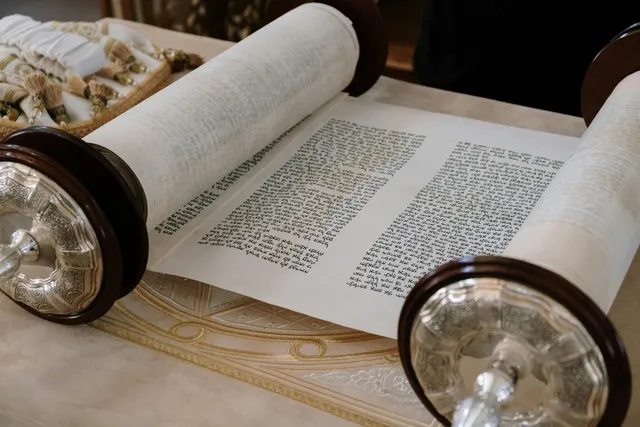
When Jesus read from Isaiah in the synagogue (Luke 4:16-21), He wasn't unveiling a new text but revealing an eternal plan. The same scrolls that He held are part of the same collection we read today. What began as scattered writings on animal skin and papyrus have become a global testimony printed in thousands of languages and accessible to anyone who seeks truth. That's no small detail of history-it's a testimony of divine providence.
More Than Numbers
So, how many books are in the Bible? We can give the number - 66 in the Protestant, 73 in the Catholic, slightly more in Orthodox canons - yet the true answer runs deeper than a list. Each book is a voice in the great chorus of God's Revelation. To count them is to trace the contours of divine conversation that began long before we were born and continues still.
What unites them all is a single thread: the relentless, redemptive love of God. From Genesis' garden scene to Revelation's final invitation, the Bible is not simply a record of humanity's attempts to reach heaven, but God's movement toward us. Each page tells of a Creator who desires relationship more than ritual, who rescues rather than abandons, who speaks still through words written long ago.
A Living Library
When you open your Bible-whether it's a worn leather copy, a digital screen, or a Gideon New Testament-you're not merely reading something old. You are entering a dialogue that's alive. Hebrews 4:12 reminds us, "For the word of God is living and active, sharper than any double-edged sword." That phrase "living and active" is not metaphorical. The same Spirit who inspired the prophets, apostles, and poets works through Scripture today, illuminating hearts and renewing minds.
Every book, every verse, every story breathes with the same Spirit. That's the wonder behind the count. Whether 66 or 73, these books form one grand narrative of divine mercy and human redemption.
The Beauty of Unity Within Diversity
There's something profoundly beautiful in how different Christian traditions count the books of the Bible. The differences remind us of the Church's deep and diverse history, shaped by centuries of prayer, scholarship, and worship. Yet across those variations, one message remains unshaken: Christ is at the center, the Word made flesh (John 1:14), and every page points to Him.
The canon's diversity mirrors the Church itself - many members, one body. When we approach Scripture with humility and love, these differences can become opportunities for deeper understanding rather than division. The Holy Spirit still binds the words into one testimony, whispering the same ancient truth: God has spoken, and His Word stands forever (Isaiah 40:8).
Living the Story Today
Knowing how many books are in the Bible is valuable. But knowing the heart behind them is transformational. Each book invites us to reflect, to trust, to obey. In a world full of noise and information, the Scriptures remain the still point where we can hear God's voice clearly. The 66 (or 73, or more) books remind us not of human disagreement, but of divine abundance - that God gives us layer upon layer of truth to discover, cherish, and live out.
So perhaps the better question isn't "how many books are in the Bible," but "how much of the Bible is in my life?" How often do we let its story form our story, its truth shape our courage, its love define our purpose? The books themselves count the breadth of God's Revelation; our response measures the depth of our faith.
The One Story Still Being Written in Us
Whether we hold a Bible with 66 or 73 books, we hold the same message of hope - that God speaks and still calls us by name. The Bible is a miracle of words: a divine dialogue woven through history and preserved for hearts like ours. Its chapters may come to an end, but its story continues-in every heart that reads, believes, and lives out the Word.
So open those sacred pages again. Let your eyes fall on the words that have outlived empires, crossed oceans, and healed souls. They are many books, but one great story. And that story, by God's grace, can still transform yours today.