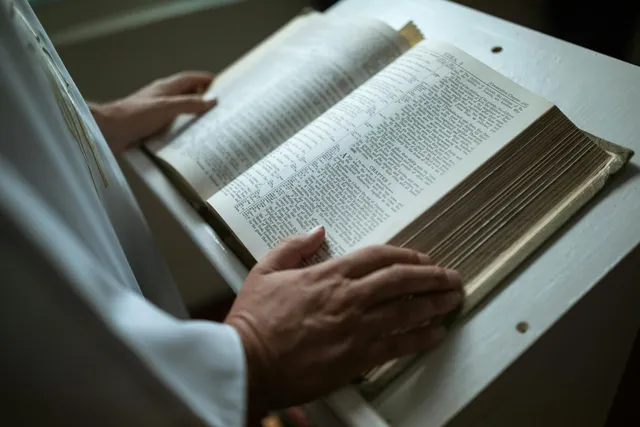
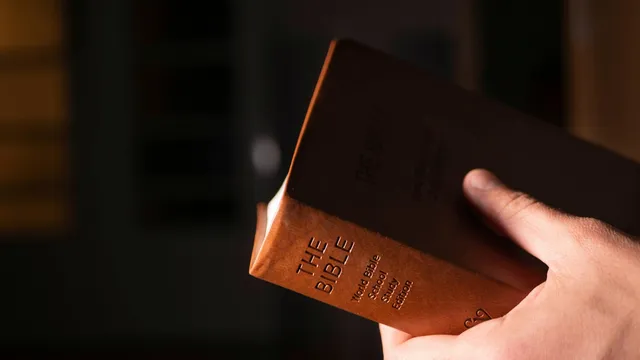
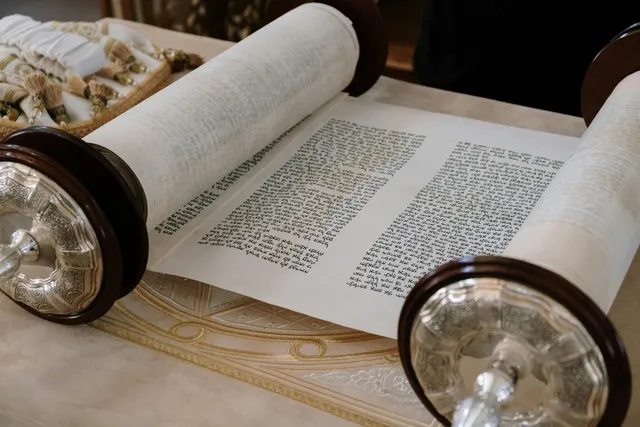
Whether cracked open in a quiet morning prayer or resting on a shelf waiting to be rediscovered, the Bible holds a mysterious gravity. For centuries, it has shaped lives, inspired art and music, offered wisdom in times of confusion, and spoken directly into human hearts. But for someone standing at the threshold, it can feel vast, ancient, and even intimidating. What exactly is this book - or, as many discover, this library within a book? This guide invites you to step into that story, not just with understanding, but with wonder.
The Bible as a Library, Not a Single Book
The first surprise for many readers is that the Bible isn't one long narrative written by a single author, but a collection of 66 separate books (in most Protestant traditions) written over more than a millennium. From the majesty of Genesis to the final vision in Revelation, it contains history, poetry, letters, prayers, and prophecy. These are voices of shepherds and kings, prophets and fishermen, scribes and travelers - all woven together by one Author behind them all: God Himself.
The word "Bible" comes from the Greek biblia, meaning "books." It's a fitting name: the pages hold the epic of God's dealings with His people and His persistent, patient love. The Old Testament lays the foundation, telling the story of creation, covenant, and the people of Israel. The New Testament reveals the fulfillment of that story in Jesus Christ-the promised Messiah who brings salvation to the world.
One Story from Beginning to End
Though the Bible contains many literary forms and human authors, it tells a single grand narrative - what theologians often call the "metanarrative" of Scripture. It begins with God creating a world that is good, then follows humanity's fall and God's unfolding plan to redeem what was broken.
Genesis opens with light, life, and love; Revelation closes with the same, renewed and perfected. In between lies a long drama of covenant and faith. The book of Exodus shows God rescuing His people from slavery, a picture that later blossoms into the greater deliverance Christ brings. Psalms sings of human longing and divine faithfulness. The prophets speak of justice, repentance, and hope. The Gospels center on Jesus-His words, His miracles, His cross, and His resurrection. Acts and the letters show the early Church taking that good news into the world. Every book, in some way, points forward or backward to Christ.
Seeing Christ in Every Page
Jesus Himself said in Luke 24:27 that "beginning with Moses and all the Prophets, He explained to them what was said in all the Scriptures concerning Himself." The Bible, in the end, is the story of God reaching toward humanity in love, culminating in His Son. To read it rightly is to see not just laws and letters, but a living Person revealed through them.
Why the Bible Matters Today
In a world of noise, fleeting trends, and constant updates, the Bible remains surprisingly steady. It isn't just ancient text; it's a living word. Hebrews 4:12 describes it as "alive and active," able to pierce deep into the soul, discerning thoughts and attitudes. People still turn to Scripture for direction, comfort, and courage - not because it's a self-help manual, but because it reveals truth rooted in eternity.
When we open the Bible, we step into a conversation that's been going on for thousands of years. Abraham's faith, Ruth's loyalty, David's worship, Mary's trust - these stories are mirrors and windows. They let us see ourselves and, perhaps more importantly, let us see God more clearly. That's why those who read it regularly don't just gain knowledge; they are transformed.
The Power of a Living Word
It's one thing to study the Bible for information; it's quite another to encounter God through it. Many believers can recall a time when a verse seemed to leap off the page, speaking directly to their situation. Sometimes that happens quietly - a comforting Psalms in a hospital room, a line of Proverbs guiding a decision. Other times, it can feel like a holy interruption. The God who once thundered from Sinai and whispered to Elijah still speaks, gently and powerfully, through His Word.
How the Bible Came to Be
Understanding a bit of the Bible's history can enrich our respect for it. The Old Testament writings began amid the ancient world of Israel - stories and prophecies passed down orally and later written in Hebrew (and some in Aramaic). The New Testament was written in the first century by Jesus' followers and apostles, in Greek, as the gospel spread through the Roman world.
By the fourth century, the Church had recognized and confirmed the collection of writings now called the New Testament - not by imposing authority upon them, but by acknowledging the authority they already carried. The texts were tested by authenticity, apostolic connection, and consistency with the known truth about Christ. What emerged was a trustworthy record that Christians believe to be God-breathed (2 Timothy 3:16).
Translations and Accessibility
The Bible has been translated into thousands of languages - no other book comes close. From the Latin Vulgate to the King James Version, from modern English editions to audio and visual presentations, its accessibility is astonishing. Each translation attempts to balance historical faithfulness with clarity, helping readers in every culture hear God's voice in their own tongue. Whatever translation you choose, the invitation remains the same: come and listen.
Reading the Bible as a Beginner
If you're new to the Bible, start small and stay steady. You don't need to read entire books at once. Begin with the Gospels, where Jesus' life unfolds in vivid scenes - perhaps the Gospel of John or Mark. Let the stories breathe. Ask simple questions as you read: What does this tell me about God? About people? About myself? Pray before and after reading, even briefly. God delights to help you understand His Word.
It's also helpful to remember that not every verse will make immediate sense. The Bible was written in ancient contexts, full of customs and images far removed from modern life. But don't let that discourage you. Each layer of study uncovers treasure. Over time, the pieces begin to connect, the story deepens, and the heartbeat of Scripture becomes clearer - the steadfast love of God.
Practical Tools for Reading
- Choose a readable translation: Modern versions like the NIV, ESV, or NLT balance faithfulness and comprehension.
- Read with a plan: A Bible reading guide or app can keep you consistent without overwhelming you.
- Journal or take notes: Writing reflections helps anchor what you read in your heart.
- Connect with others: Studying Scripture in community often brings new insights and accountability.
And remember - reading Scripture is not a race; it's a relationship. God's Word invites meditation, not hurried consumption. Even a single verse can linger in your soul for days, shaping your thoughts and prayers.
The Bible and the Presence of God
At its core, the power of the Bible is not simply in its words, but in the One who speaks through them. Scripture serves as a meeting place between God and His people. When we read it, we don't just learn about Him - we encounter Him. Many Christians have found that the more time they spend in Scripture, the more its voice echoes in daily life: a reminder in temptation, a whisper in anxiety, a spark of courage in fear.
Psalms 119 overflows with this longing: "Your word is a lamp to my feet and a light to my path." It's not merely moral instruction; it's illumination. It shows where to step next when the way ahead is dim.
Letting the Bible Shape Our Story
Ultimately, the Bible is not meant to sit in the background of our faith; it's meant to form us. The people in its pages were shaped by their encounters with God - Abraham left home by faith, Moses confronted Pharaoh by divine calling, Mary said yes to the angel's astonishing message. Each of these stories invites us to trust, to obey, to love. The Bible is a living invitation to let our own story be taken up into God's grand narrative of redemption.
Treat it not as a relic, but as a fresh word for today. Every page breathes the same Spirit who hovered over creation and raised Christ from the dead. When we listen to the Bible with humility and faith, that Spirit breathes into us, too - renewing minds, softening hearts, and transforming the ordinary into the sacred.
A Living Word for a Living People
So what is the Bible? It is the Word of God - ancient yet alive, mysterious yet clear to the seeking heart. It's a book that tells the truth about God and about us, revealing both our need and God's mercy. It forms the backbone of Christian worship, theology, and personal devotion. Most importantly, it points us beyond itself, to the living Word - Jesus Christ.
For the beginner, the best way to understand the Bible is simply to begin. Open it with curiosity, patience, and prayer. Read it not for trivia, but for truth. And as you do, listen. The same God who spoke light into darkness still speaks through its pages, whispering hope, calling us home.
The Bible is more than an ancient record; it is an open invitation. Step into its story, and you will find - time and again - that it is really God's story unfolding within your own.