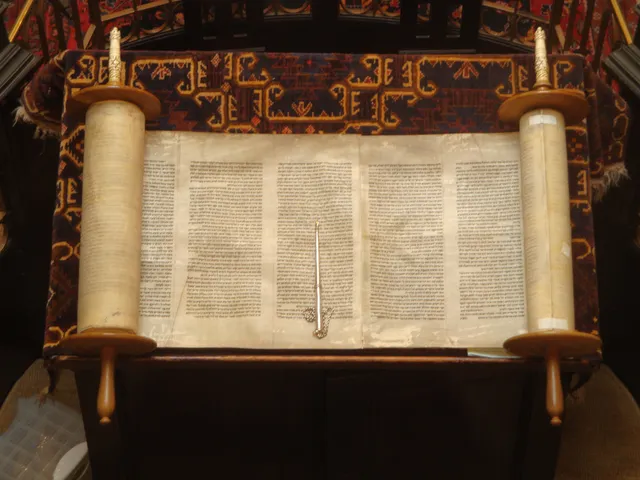
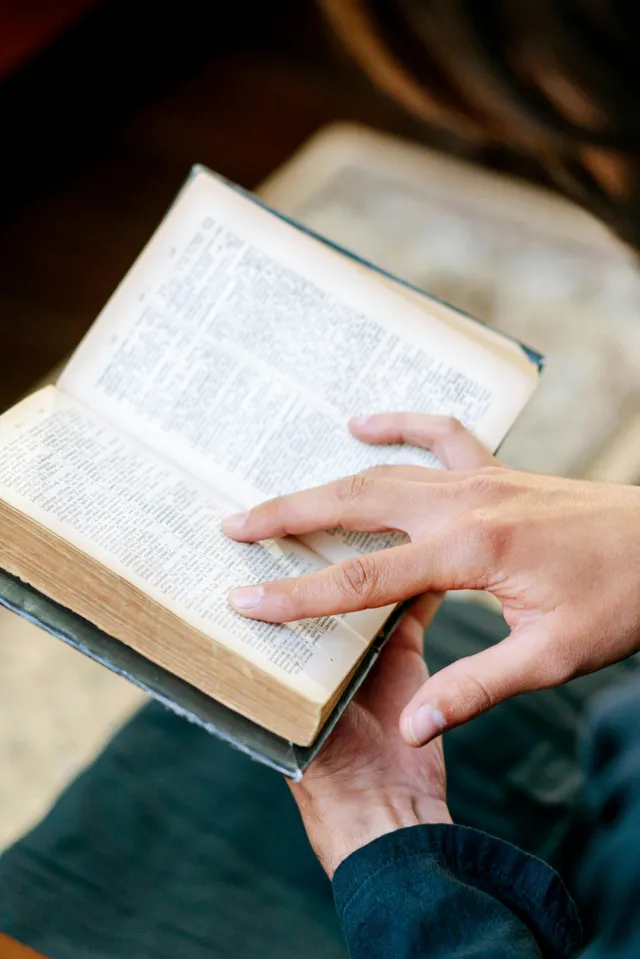
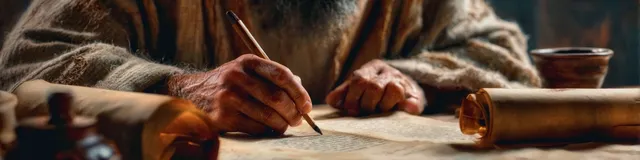
Deep in the flickering light of oil lamps, a solitary figure bends over parchment. His eyes are weary, his hands steady. Every stroke of his reed pen is measured, deliberate-*holy work*. The ink glistens briefly before drying into permanence. For the ancient scribe, each letter of God's Word was not merely a mark on a page; it was an act of worship, a form of obedience, and a covenant carried forward to the next generation.
In an age before printing presses, before digital databases and cloud storage, the preservation of Scripture depended on human devotion. The scribe was both craftsman and guardian-a servant committed to accuracy, detail, and reverence. Their seemingly silent labor was, in truth, an enduring Song of Songs of praise.
Why Scribes Mattered
Scribes were more than copyists; they were caretakers of divine memory. In Israel's story, they appeared at moments when God's Word needed to be remembered, retold, and re-rooted. When Moses received the Law, it was written onto tablets so that Israel might live by what they had heard from God Himself. Later, generations of scribes devoted their lives to preserving those same words.
Without the scribes, the story of God might have been scattered like dust in the desert. But they ensured it endured-surviving exile, conquest, and cultural upheaval. Each copied scroll was a bridge over time, connecting new readers to the voice of the Eternal One.
The Sacred Discipline of Writing
Imagine the discipline required: hours spent counting every letter, checking every word. If an error was found, entire sections might be discarded. To write Scripture demanded accuracy not out of fear, but out of awe. These were the words through which the world was created, the same breath that formed prophets, kings, and poets. Every line carried sacred weight.
The Masoretes and the Rhythm of Reverence
Centuries after Ezra-the priest and scribe who helped restore the Law to exiled Israel-the Masoretes took up the calling. Out of reverence for the Hebrew text, they added vowel markings and detailed notes to preserve its pronunciation and meaning. They approached every syllable as though touching something alive, something divine. Their work became a heartbeat sustaining the Scriptures through countless centuries.
They were not merely safeguarding a document; they were preserving the very breath of God carried by human hands.
Ezra: The Model of a Faithful Scribe
In the Old Testament, Ezra stands as the model of godly scribeship. Described as "a skilled scribe in the Law of Moses" (Ezra 7:6), he was both a scholar of Scripture and a shepherd of souls. After the return from Babylon, he led a broken people back to the Word of God. He did not come waving authority; he came with scrolls.
Ezra's life reminds us that knowledge alone does not revive a nation-obedience does. Scripture tells us that "Ezra had set his heart to study the Law of the Lord, and to do it, and to teach" (Ezra 7:10). Notice the order: to study, to do, then to teach. The scribe's calling begins in the heart before it ever reaches the hand.
What Ezra began-an era of renewed devotion to the Scriptures-laid the foundation for spiritual renewal across generations. His love for the Word became contagious.
The Scribes in Jesus' Time
By the time Jesus walked the dusty roads of Galilee, the title "scribe" had become both respected and, at times, misused. Many were teachers of the Law who took their responsibility seriously-but some had grown more concerned with tradition than truth. Jesus commended the faithful ones while challenging hypocrisy among others: "You search the Scriptures because you think that in them you have eternal life; and it is they that bear witness about Me" (John 5:39).
In this tension, we see a lesson for every age. The Word of God is not only to be copied-it is to be lived. The scribes had once been protectors of Revelation, but some became enslaved to the letter rather than liberated by its spirit. Jesus, the living Word, called them-and us-to remember what Scripture is for: transformation, not mere transcription.
The Human Touch in a Divine Story
There is something profoundly beautiful about how God chose to preserve His Word. He did not entrust it to stone alone, nor to angels, nor to some celestial archive. He entrusted it to hands that could tremble.
Every fragment of papyrus, every scroll painstakingly unrolled and rewritten, carries human fingerprints. And yet, by some divine mystery, those fragile efforts have carried eternal truth. The Word survived through wars, exile, cross and sword-not because of human might, but because of divine faithfulness carried through humble obedience.
Ink, Sweat, and Prayer
It's worth pausing to imagine the rhythm of a scribe's day. Before writing the divine Name, a scribe would often wash his hands. He would whisper prayers of gratitude, acknowledging the holiness of the task. The act of writing became liturgy. The pen became an instrument of worship.
Every swirl of ink declared: "The Lord still speaks."
What Their Faithfulness Means for Us Today
We live in an age of instant words-tweets, texts, and constant noise. Scripture is accessible more than ever. Yet perhaps that abundance makes the ancient scribes' devotion all the more humbling. They remind us to approach the Word slowly, reverently, intentionally.
When we open our Bibles, we step into a sacred lineage. We are reading what holy hands have kept alive for millennia. Each verse we read, each promise we claim, exists because someone cared deeply enough to preserve it line by line.
Becoming Modern-Day Scribes
Though we may never copy scrolls by lamplight, every believer is called to be a kind of scribe. Paul wrote, "You are a letter from Christ... written not with ink but with the Spirit of the living God" (2 Corinthians 3:3). Our lives are living manuscripts that tell of His grace. Every act of kindness, every word of truth, every confession of faith-it all becomes a copy of divine love penned into the world.
To be a modern scribe is to preserve Scripture not just on paper, but through presence. We carry His Word within us, reflecting the divine story with every choice we make.
When the Word Became Flesh
All the ink and parchment in the world find their fulfillment in one Revelation: the Word Himself became flesh. John's Gospel opens with that breathtaking mystery: "In the beginning was the Word... and the Word became flesh and dwelt among us." The work of every faithful scribe points to that moment-when the message they preserved took on a heartbeat, when truth walked among us.
The birth of Christ was heaven's declaration that the Word was no longer confined to pages. Yet those pages still matter profoundly, for they tell His story and shape ours. Through them, we encounter the living Christ each time we read.
Preservation as Worship
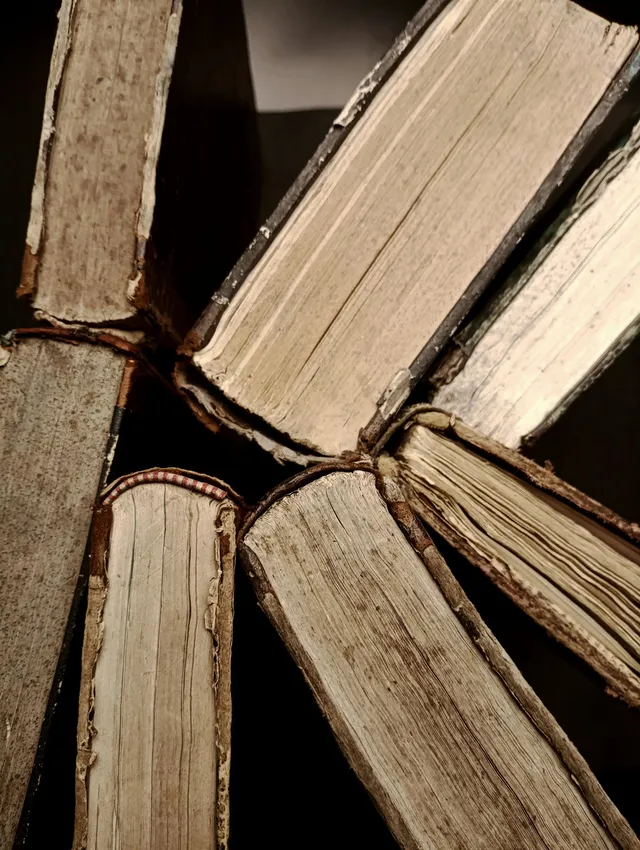
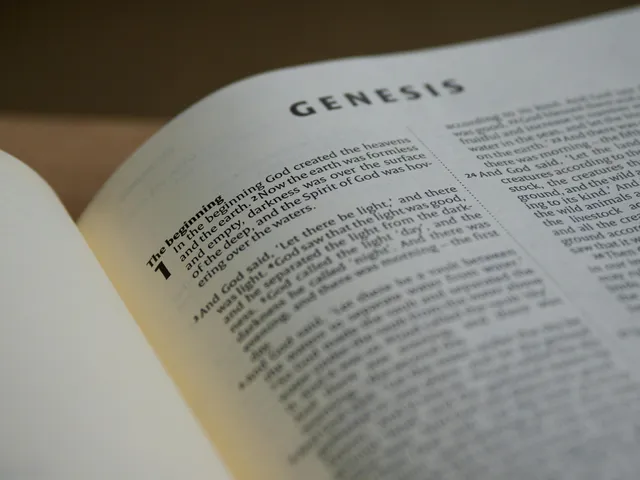
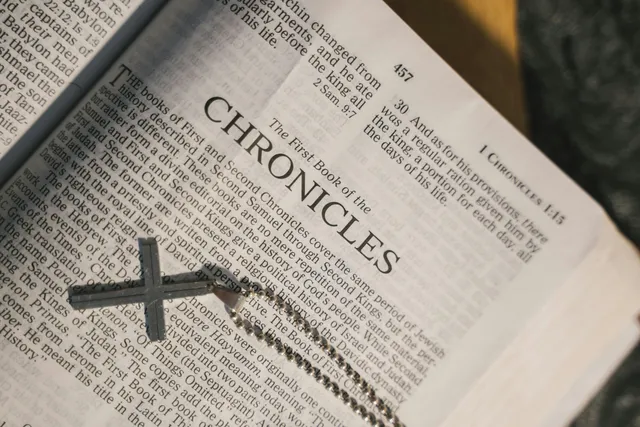
There's a quiet holiness in remembering that what we now hold in our hands-the Bible printed and bound-was once a fragile hope inked onto parchment. Behind every copy lies a sacrifice: time, devotion, and faith that God's Word was worth preserving.
The preservation of Scripture has always been more than an act of fidelity to text; it's a testament of love for the Author.
When we read the Bible with grateful hearts, we join the long chain of worship that began in those ancient scriptoria. We too become part of the preservation-every time we teach our children a verse, every time we remember a promise, every time we let Scripture reshape our responses.
Living the Legacy
So the story comes full circle. The scribes once carried the Word through time and trial; now it rests with us. We are caretakers of the same truth, the same promises, the same God who spoke into the silence.
Let us not handle that gift carelessly. Instead, let us honor it by living as people whose lives are marked by the Word-its grace, its justice, its mercy, its truth. In our generation, the ink may be digital, but the call is unchanged: to cherish, to copy, to live the Word of God.
The Word Still Endures
Across centuries, from scroll to screen, the Word remains unbroken. The lamps of the scribes may have gone out long ago, but their light still shines through the pages they preserved. As followers of Christ, we read by that light. We live by that Word.
So when you next open your Bible-quietly, prayerfully-remember the invisible hands that served before you. Remember the God who inspired those words, and the generations who believed they were worth writing down. And as ink once met parchment, may your heart meet His Word anew. Because the greatest act of preservation is not keeping the Word safe in storage-it's keeping it alive in the soul.
"The grass withers, the flower fades, but the word of our God will stand forever." (Isaiah 40:8)