We often hear it said that the Bible is "inspired by God." The phrase sounds familiar, almost comforting, but what does it really mean? Does it suggest that the people who wrote Scripture experienced some sort of divine dictation-hearing words from heaven and merely writing them down? Or is it something more mysterious, something that whispers of both divine power and human participation?
The Breath of God
The English word "inspired" comes from the Latin inspirare, meaning "to breathe into." That sense of breathing is not accidental. In 2 Timothy 3:16, Paul declares, "All Scripture is God-breathed" (some translations use this phrase directly). The Greek term theopneustos carries this astonishing idea-that the words of Scripture were filled with the very breath of God Himself. Scripture doesn't just contain divine ideas; it is infused with the vitality and presence of the living God.
This concept takes us back to creation. In Genesis 2:7, God formed the first human being from the dust and then "breathed into his nostrils the breath of life." In that holy moment, a lifeless form became a living soul. God's breath gives life, animation, identity. The same breath that brought Adam to life now animates the written Word. The Bible is living not because of ink and paper, but because God's Spirit accompanied its forming and continues to accompany its reading.
Beyond Dictation
It's tempting to imagine divine inspiration as a kind of miraculous stenography session-prophets and apostles simply recording heavenly speech word-for-word. But the beauty of Scripture is that it bears unmistakable traces of its human authors too. David's Psalms are poetic and raw; Paul's letters are structured, passionate, sometimes argumentative; John's gospel soars with imagery and symbolism. Yet all of these voices harmonize within the diverse symphony of God's message.
Divine Truth Through Human Hands
God did not bypass human personality or experience when inspiring Scripture. Instead, He worked within it. Each biblical writer brought his own language, culture, imagination, and even weaknesses to the page. Through that honest humanity, God worked out His eternal truth. Inspiration, then, is not about eliminating humanity-it's about redeeming it.
In this way, divine inspiration mirrors the incarnation of Christ. Just as Jesus was fully God and fully human, so the Bible is both divinely authoritative and intimately human. The mystery of inspiration calls us to reverence without simplification-it invites awe rather than easy explanation.
The Living Word and the Written Word
When John introduces Jesus as the "Word" (John 1:1), he connects the living Christ with God's creative self-expression from the beginning of time. The Word made flesh is God's perfect Revelation-truth wrapped in humanity, love walking among us. Likewise, the written Word testifies to that Revelation. It's not an idol to be worshiped instead of Christ, but a sacred instrument through which the Spirit continues to speak.
To say the Bible is inspired, then, is to say it is alive. Every time we open its pages in faith, the same Spirit who once breathed into its formation breathes again into our hearts. What was once written for another people in another time becomes living truth for us now. As Hebrews 4:12 reminds us, the Word of God is living, active, and sharper than any double-edged sword-it discerns, divides, and transforms.
The Human Experience of Inspiration
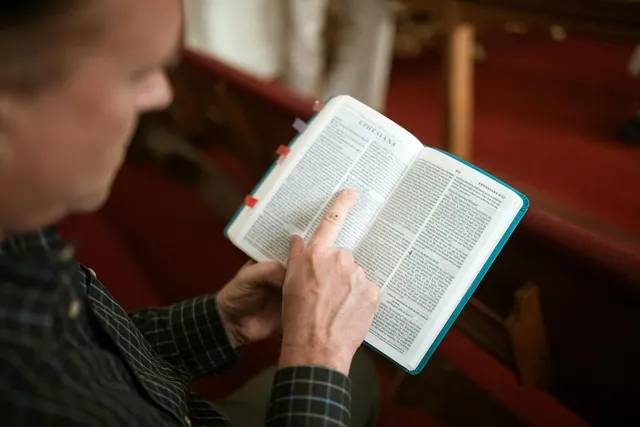
Have you ever read a passage of Scripture and felt as if those words were written just for you-that they carried a weight or warmth beyond what paper can hold? That moment is our personal encounter with inspiration. The same God who once inspired the text now inspires the reader. Inspiration is both historic and present tense-something God did and something He still does.
The prophets of old knew what it was like to experience that divine stirring. Jeremiah described God's Word as a fire shut up in his bones, impossible to contain. Ezekiel ate a scroll and found it sweet like honey. For them, inspiration wasn't just intellectual-it was embodied, felt, and transformative.
Listening for the Whisper
Inspiration today might not always come with visions or thunder. More often, it comes as a gentle whisper-the same one Elijah heard in the desert. When we open Scripture humbly and attentively, we create a space where the breath of God can move again. The inspired Word becomes the inspiring Word, shaping us into people who live and speak with holy purpose.
Guarding Against Misunderstanding
We must tread carefully, though. Not every thought or feeling we experience while reading the Bible is divinely authoritative. Inspiration doesn't mean our interpretations automatically carry God's stamp. The same Spirit who inspired the text also guides us in discernment, illuminating rather than overruling. Jesus promised that the Spirit would "guide [us] into all truth" (John 16:13), teaching us not to add or subtract from God's message but to understand and apply it rightly.
At times, well-meaning believers have used "God told me" as a weapon rather than a witness. Genuine inspiration never leads to pride or domination. It leads to humility, compassion, and obedience. When the Spirit speaks through the Word, the fruit will look like Christ-never contradiction, harshness, or self-glory.
Why It Matters for Our Faith
Understanding inspiration changes how we approach Scripture. It moves us from treating the Bible as a static rulebook to experiencing it as a relational encounter. It draws us into an ongoing conversation with a personal God. If the Bible is God-breathed, then reading it is, in a way, breathing with Him-inhale His truth, exhale our prayers, and let our souls find rhythm with His Spirit.
Inspiration also anchors our trust. The Bible's authority isn't built on human brilliance or literary perfection. It stands because God Himself is faithful and true. His character guarantees the reliability of His Word. Even when cultural winds shift or doubts arise, we return to Scripture not because it agrees with us, but because it reveals the One who made us.
The Transforming Power of the God-Breathed Word
When Paul told Timothy that Scripture is inspired, he added that it is "useful for teaching, rebuking, correcting and training in righteousness." The breath of God doesn't just create-it re-creates. It forms Christ in us. Through Scripture, we are taught what is good, corrected when we stray, and equipped to live faithfully in a world gasping for truth and grace.
Think of dry bones in Ezekiel's vision-lifeless remnants scattered across the valley floor. When the prophet spoke as commanded, breath entered them, and they stood up as a living army. That is the miracle of inspiration still unfolding today. The Spirit breathes through the Word and revives what has grown weary, cold, or dead within us.
Breathing with God Today
So what does "inspired by God" really mean for us on an ordinary Tuesday morning-when the coffee's lukewarm and the headlines feel heavy? It means we are not alone. The same God who inspired prophets and apostles is still speaking life into our days. He doesn't simply inform us; He transforms us. Every passage, every promise, every hard command, and gentle comfort is a breath from the heart of the Creator, calling us into communion.
Inspiration, at its core, is a relationship word. It says that God has not left humanity to wander in silence but has stooped to speak, to breathe, to accompany. And when we receive that Word with open hearts, we become inspirable people ourselves-people who carry His life and presence into the world. The inspired become inspiring.
Living the God-Breathed Life
To believe that Scripture is inspired by God is to believe in a story still unfolding. It is to trust that the Author has not finished speaking, that His breath continues to move across creation and into our daily lives. Every time we open the Bible, we stand in the current of divine wind-the same Spirit who hovered over the waters in Genesis and filled the lungs of the Church at Pentecost.
May we read Scripture not merely for information but for transformation. May we listen not only with our minds but with our hearts ready to be rekindled. And may we, too, become living letters-our lives written and inspired by the breath of God.