Every Christian who holds a Bible in their hands has, at one time or another, wondered: How do we really know these are the right books? The question isn't born of doubt alone-it often grows from reverence. If this collection is the Word of God, we want to be sure it's truly God's Word, unmixed, uncorrupted, and complete. After all, our entire faith-our stories of creation and covenant, cross and resurrection-hangs on these pages.
The wonder of Scripture is that it came to us through time, through the lives of prophets and apostles, through the ink and scrolls of millennia-and yet it continues to speak as if it were written this morning. But the formation of this sacred book wasn't random or haphazard; it was the work of divine providence guiding human hands. Let's consider how that happened, not merely as a history lesson, but as an invitation to trust that the same Spirit who inspired the Word has also preserved it.
The Breath of God: What Makes a Book "Scripture"?
Long before there was a leather-bound volume called "The Bible," there were voices-living testimonies of God's dealings with His people. From Moses receiving the law on Sinai to John's vision on Patmos, the common thread was the breath of God upon human words. The Greek term theopneustos, meaning "God-breathed," appears in 2 Timothy 3:16, where Paul writes, "All Scripture is God-breathed and useful for teaching, rebuking, correcting and training in righteousness."
This, then, is the first and most essential mark: Scripture is not merely writing about God, but writing from God. The canon is not a human anthology but a divine Revelation-a record of the Word of God through the words of men. The writers were carried along by the Spirit (2 Peter 1:21), not as passive instruments but as faithful witnesses. Over centuries, certain writings were immediately recognized as bearing this sacred quality, this unmistakable weight of truth and divine authority.
How the Early Church Recognized the Canon
When the early church began to gather and teach, they already inherited the Hebrew Scriptures-the Law, the Prophets, and the Writings-as their sacred text. Jesus Himself quoted them often, affirming their divine authority ("The Scripture cannot be broken," John 10:35). The challenge came as new writings emerged: letters to young churches, eyewitness accounts of Jesus' life, pastoral teachings. Out of dozens of early Christian writings, how were these twenty-seven books of the New Testament singled out?
The church didn't create Scripture; it recognized it. Through prayer, discernment, and communal testing, believers came to see which writings bore the same Spirit that they had come to know in Christ. This process wasn't fast, and it wasn't careless. It unfolded through generations of faithful readers, pastors, and councils-with a remarkable consistency that points beyond human agreement to divine orchestration.
Three Guiding Questions of the Early Christians
Historians often describe a few practical questions that helped the early believers discern authentic Scriptures:
1. Was it apostolic?-Had it been written by an apostle or a close companion of one? For example, Luke's Gospel bears the weight of credibility through his partnership with Paul.
2. Was it consistent with the faith?-Did it agree with the message already known from Jesus and the Hebrew Scriptures? A book that contradicted the gospel of grace and resurrection could not be inspired.
3. Was it universally read and accepted among churches?-Did believers everywhere testify that this text had brought them into the living presence of God?
Over time, these criteria helped the church distinguish between inspired writings and those that were valuable but not divine. By the fourth century, when church leaders such as Athanasius listed the books of Scripture, the canon of the New Testament matched what we find in our Bibles today.
The Old Testament: A Long Journey of Reverence
The process was different, yet equally guided, for the Old Testament. The Jewish people had treasured the Law and the Prophets for centuries before Christ. These were the very texts Jesus read and quoted. When He said that "everything written about Me in the Law of Moses and the Prophets and the Psalms must be fulfilled" (Luke 24:44), He was naming the tripartite structure of the Hebrew Bible that we still know today.
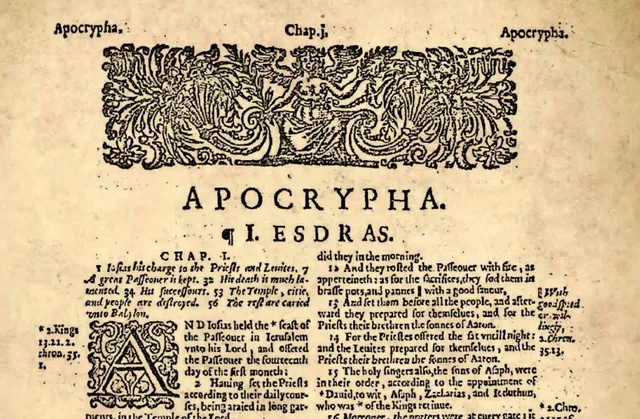
By the time of Jesus' ministry, the Hebrew canon was already well defined. The "other writings" that occurred in later Jewish history-texts often known as the Apocrypha-were read for wisdom and teaching, but they never held the same status as inspired Scripture. The early Christians honored that distinction, even as they translated the Old Testament into Greek for broader audiences.
Beyond Lists: The Fingerprints of the Spirit
This is where we must slow down and listen. If we approach the canon only as an academic question, we risk missing the living reality of the Spirit's work. The same God who inspired Isaiah's prophecies also stirred the hearts of early believers to recognize them. The harmony between the Spirit's breath in inspiration and the Spirit's guidance in recognition is part of the miracle.
Throughout Christian history, believers have testified to an inner resonance when reading Scripture-a recognition that these words are not like other words. The Reformers called it the testimonium Spiritus Sancti internum-the inner witness of the Holy Spirit. This is not an emotional whim, but a spiritual attunement. The Spirit who inspired the Word confirms in us that this Word is true.
When we open the Bible and find it reading us-when it exposes motives, heals wounds, convicts hearts, or comforts despair-we experience the same power that fueled its origin. That encounter is God's ongoing endorsement that this book is His.
When Questions Arise About "Missing" Books
Inevitably, someone will bring up the so-called "lost gospels"-those writings like the Gospel of Thomas or the Gospel of Judas that make headlines every few years. But these are not newly discovered secrets of faith; they are ancient texts long known and long rejected by the early church. They simply don't bear the same Spirit or truth. They emerged later, often reflecting philosophical movements that distorted the authentic gospel.
The truth is, the canon wasn't determined by suppression but by recognition of spiritual life. The books included were those that had proven themselves over centuries of worship and witness. They carried the voice of the Shepherd that His sheep recognized.
The Unity Test
Another remarkable feature of the canon is its unity. Forty authors across fifteen centuries, writing in three languages and from vastly different cultures, yet together they tell a single unfolding story: creation, fall, redemption, and restoration. That coherence isn't humanly engineered-it's divinely breathed. The thread of Jesus runs through it all, from Genesis to Revelation. As Augustine once said, "The New Testament is hidden in the Old, and the Old is revealed in the New."
Faith That the Same Spirit Still Speaks
When we ask how we can know we have the right books, what we're really asking is whether the God who began this story is capable of finishing it. The formation of the canon is not a relic of history-it's a testimony of providence. The same Spirit that overshadowed Mary, inspired the prophets, and empowered the apostles has also ensured that His Word would remain whole and trustworthy.
This should give us tremendous peace. We don't hold a cobbled-together human record. We hold the collected testimony of God's ongoing conversation with His creation. We can trust the Bible not because people approved it, but because God preserved it.
What This Means for Our Daily Walk
If we truly believe these words are the words of God, it changes how we read them. Scripture becomes less a textbook and more a table-a place to meet Him. When we open the Bible in the morning, we don't just encounter ink and parchment; we encounter presence. We meet a God who chose to reveal Himself through story, poetry, command, and promise.
And that makes our trust in the canon deeply personal. It's not just about historical councils or ancient scribes; it's about the same Spirit speaking today. Every time you find peace in a Psalms, direction in a proverb, or conviction in a parable, you are experiencing the very reality that affirms this collection's divine origin.
Standing on the Proven Word
Perhaps the most astonishing evidence that we have the right books is found in the fruit they bear. Through them, lives change. Hearts soften. Generations return to hope. The same words that strengthened the desert fathers, kindled the Reformation, and fueled revivals still breathe life into us today.
Jesus promised, "Heaven and earth will pass away, but My words will never pass away" (Matthew 24:35). That promise is both preservation and assurance. We have the right books because God keeps His word about His Word.
The Living Canon and the Living Church
So, how do we know we have the right books in the Bible? Because the same God who inspired them also watched over them. He has proven faithful across centuries of translation, transcription, persecution, and prayer. The canon is not a museum of ancient faith-it is a living library of divine truth, still speaking to the heart that listens.
And that means something profoundly comforting: we can place our entire trust in these pages, because they place their entire truth in Him. The Spirit who breathed these words still breathes life into us as we read them. Every turn of the page becomes a meeting place between the eternal and the everyday-a conversation that never grows old, because the Author is still present.
So come again to the Word-not with suspicion, but with expectancy. The question of the canon is ultimately an invitation: to sit before the living God and let His voice, unshaken through centuries, speak again today.