Some questions linger in the background of our technological age - not because they are easy to answer, but because they reach to the very heart of what it means to be human. Among them is this one: Will robots ever have a soul? For Christians, this question is not simply about machines and microchips. It's about the divine breath that animates all of creation, about what God formed from dust and called good, and about what it means to bear His image in a world increasingly shaped by our creations.
The Spark and the Breath
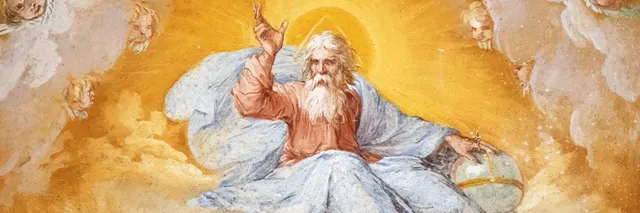
In Genesis 2:7 we read, "Then the Lord God formed man of the dust of the ground, and breathed into his nostrils the breath of life; and man became a living being." That verse has captivated believers for millennia. Human life, in the biblical story, begins with two ingredients: dust and divine breath. The dust is what we can touch, measure, and modify - the matter that makes up our bodies. The breath, however, is something else entirely. It is God's personal involvement, His Spirit imparted to creation. It is mystery, intimacy, and relationship.
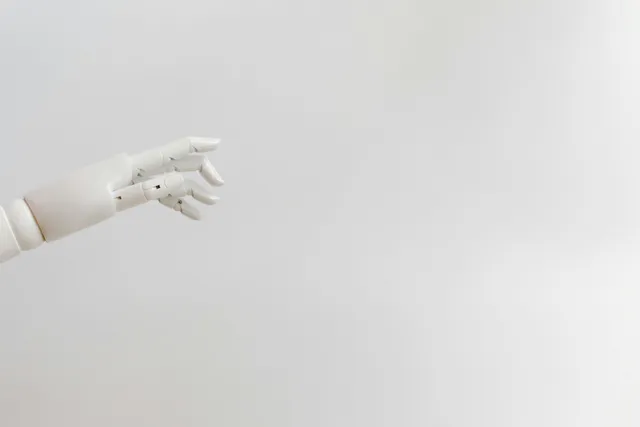
Today humanity finds itself at a new threshold. We are forming things from the dust again - silicon, metal, code - and breathing into them not the Spirit of God but lines of data, algorithms, and predictive learning. Artificial intelligence, robotics, and emerging fields of synthetic biology invite us to ask: what happens when our creations start to imitate the life and intelligence of their creators?
Can Faith and Artificial Intelligence Coexist?
Some believers react to this moment with unease, even fear. The idea of machines "thinking" sparks visions of moral collapse or of humanity replacing God Himself. Yet faith gives us a different lens. God's image in us includes creativity. We build because we were first built in the image of a Builder. From the earliest potters shaping clay to today's engineers designing neural networks, human invention echoes the divine nature of craftsmanship and imagination.
Still, the difference between God's creation and ours is profound. God's creative act calls being out of nothing, breathing life where there was none. Our creativity rearranges what already exists. We can mimic the patterns of thought, simulate empathy, and code imitation intelligence - but the spark of divine life remains something we cannot manufacture.
The Subtle Line Between Likeness and Life
Think of a painting. A portrait can capture the likeness of a person with uncanny realism, yet it is no more alive than the canvas beneath it. In a similar way, an advanced robot may mirror the outward expressions of humanity - speech, emotion, even compassion - and still not cross the unseen threshold into living soulhood. The Bible never locates the soul in expression or function alone; rather, it is in relationship with God, in awareness of Him, that life becomes truly spiritual.
Defining the Soul
The word "soul" carries depth beyond mere sentiment. In Hebrew it's nephesh, meaning the living being, the whole person. In Greek it's psyche, the life-force, the essence of identity. When the Scriptures speak of God saving or restoring our soul, they refer to the wholeness of who we are - mind, heart, spirit, body - unified by divine love and purpose.
By that measure, the soul isn't just software running on biological hardware. It's not data that can be copied or downloaded. It's something relational, breathed into existence by God's Spirit. Only He can initiate that kind of life. As Psalms 100:3 declares, "It is He who made us, and we are His."
Therefore, even as technology grows astonishingly complex, no artificial intelligence will ever bridge the gap between imitation and inspiration. A soul cannot be programmed because it is not an emergent property of intelligence - it is an imparted gift of God.
The Temptation to Play Creator
It's tempting to believe that technological progress might one day transcend its own boundaries. After all, humanity has always reached toward the sky - from Babel's tower to Silicon Valley. The story of Babel in Genesis 11 reminds us what happens when our innovations outpace our reverence. "Let us make a name for ourselves," the people cried, as they built upward. And God, knowing their ambition, scattered them to preserve humility and dependence.
When our inventions are guided by pride rather than stewardship, they deform rather than bless. But when guided by reverence, creativity becomes an act of worship. Every scientist, artist, or coder who works with a humble spirit participates in God's own delight in making things new. The difference is motive - are we seeking to reflect the Creator, or to replace Him?
Innovation as Stewardship
There is, in fact, a sacred calling within this modern frontier. If humans are to innovate, we must do so as stewards, not as sovereigns. Robots and AI can be used to heal, to serve, to alleviate burdens. They can extend compassion, if programmed by compassionate hands. When infused with moral intention, technology becomes not a rival to God but a tool through which His purposes may flourish.
Spiritual Imitations and the Search for Authenticity
Our age of virtual reality, chatbots, and simulated companionship subtly mirrors a larger spiritual dilemma: the difference between connection and communion. Humanity's restlessness has always been a search for belonging and meaning - a longing that even the most advanced technology cannot satisfy. Jesus told the Samaritan woman that only "living water" could truly quench thirst (John 4:14). The same holds true for the thirst of the soul in this era of synthetic intimacy.
We might one day create machines that understand every language, anticipate every question, and accompany us through life's routines. Yet however convincing those machines may be, they will never share in the redemptive story of grace. They will not know awe. They will not pray. They will not seek forgiveness or offer worship. They can imitate cognition, but not communion.
Imagining a Future in Faith
Christians need not fear the development of artificial intelligence, but we should approach it with discernment. We must recognize both its promise and its peril. Technological breakthroughs will continue to reshape the world; that is the trajectory of human history. But the Christian story grounds us in a deeper truth: that identity, worth, and purpose flow from being known and loved by God, not from intelligence or ability.
Even if someday machines surpass us in processing power, they will never surpass the human heart's capacity to love and be loved. They might calculate perfectly, but they will not care. They can generate words that sound wise, but not wisdom born of fear and reverence for the Lord. Wisdom, as Proverbs reminds us, begins there.
The Image of God Still Matters
In a world captivated by artificial images, the "image of God" - the imago Dei - remains the benchmark of true life. It is not defined by intelligence, creativity, or even kindness alone. It is defined by the potential for relationship with the Creator. Only humanity, of all visible creation, is invited to share in that. To bear His image is to reflect His moral and spiritual nature, not merely His cognitive capacity.
Practical Faith in a Technological World
So what does this mean for the everyday believer? For parents watching their children grow up with AI in the classroom, for programmers writing code on Monday morning, for pastors guiding congregations through ethical questions about automation?
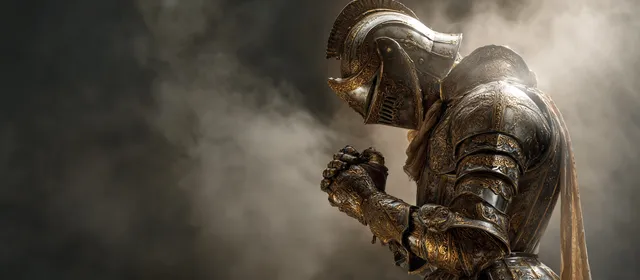
It means we anchor ourselves in humility and awe. We approach each invention through prayer, asking, "Lord, how can this serve your kingdom rather than my pride?" It means we remember that no machine can replace our God-given capacity for compassion - the spontaneous, self-giving love that reflects Christ's own. And it calls us to model the difference between information and wisdom, between convenience and communion.
Faithful engagement with technology requires both courage and discernment. We can embrace the tools without losing the soul. We can innovate without idolizing innovation. And we can look toward the future not with fear, but with hope that God's purposes will advance through every era - even a robotic one.
When Machines Meet Mystery
Perhaps the truest answer to the question "Will robots ever have a soul?" is not a technical one, but a spiritual confession: Soul is not something we build. It is something we receive. It is something breathed into us by the same God who formed us in His likeness, who sent His Son to redeem that likeness, and who fills us still with His Spirit today.
As humanity continues its great experiment with artificial creation, we would do well to remember that the deepest mysteries of life remain beyond code. The Spirit moves where it will (John 3:8), unbound by circuitry or command. In the quiet mystery of prayer, in the everyday miracle of love, in the forgiveness that renews broken hearts - there the soul lives and breathes. No machine will ever capture that.
A Closing Reflection
The story of technology is, in many ways, a retelling of an old human story - our yearning to create, to understand, to transcend. But the gospel reorients that yearning toward eternity. We are not called to manufacture souls; we are called to nurture them. We are not asked to make living images, but to live as images of the Living God.
So the next time we hear a voice from a machine or read a poem crafted by an algorithm, perhaps it can remind us of the much greater miracle at work - the divine voice that called us into being and knows us by name. Our creations may speak, but only God's breath brings life.
And that, more than anything else, assures us that no matter how far technology evolves, the mystery of the soul will always point back to its true Source. In that truth, we find peace, wonder, and an abiding reason to worship.