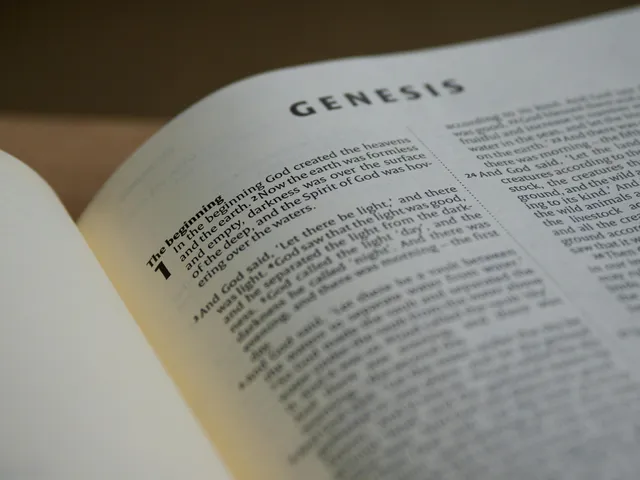
We open our Bibles, turn to a familiar passage, and our eyes move instinctively to a chapter and verse. John 3:16. Psalms 23:1. Romans 8:28. Those neat little numbers feel as though they've always been there-part of the sacred text itself. But they weren't. The Bible's chapter and verse divisions came centuries after the last prophet had spoken and the last apostle had penned his letter. And while they have become invaluable tools for study and reference, they are also reminders of something deeper: God's Word transcends human systems, yet graciously allows itself to be ordered for our understanding.
The Word Before the Numbers
In the earliest days, the Scriptures were written as continuous text-ancient Hebrew and Greek flowing line by line without chapters, verses, or even punctuation. Manuscripts of the Torah, the Psalms, and the New Testament letters were copied meticulously by hand, and trained readers would memorize the flow of the words. What we now experience as, say, the Book of Isaiah was one long and majestic scroll, perhaps stretching many feet in length.
Imagine reading the prophet's words in that form-unbroken and continuous. Each theme blending into the next, prophecy mingling with poetry, judgment giving way to comfort. The message itself was living and whole; it didn't need our divisions. It spoke to heart and history simultaneously.
Yet as the Scriptures spread across lands and languages, people needed ways to find their bearings. The church was growing, the Word was being translated, and a simple scroll had become a global library of hope. Divisions were inevitable-but they were also providential.
From Scrolls to Sections
The roots of biblical "sectioning" actually go back to the Jewish tradition. Long before chapters or numbers, the Hebrew Bible had natural pauses. The Torah, for instance, was read weekly in synagogue, divided into "parashot"-reading portions that guided the rhythm of worship. These divisions weren't standardized chapter markers, but they gave an early sense of structure.
The Early Church and the Need for Order
As Christianity spread and believers gathered in homes, courtyards, and catacombs, Scripture was read aloud, often from memory or from treasured copies of the epistles. A letter from Paul might be reread to a neighboring congregation-and soon small reference points were needed. Early Greek manuscripts began to include margins and small letters to help readers navigate the text.
This wasn't about control-it was about connection. The more the gospel traveled, the more believers sought a way to stay united around the same words. Dividing Scripture into portions allowed scattered churches to study and worship together more easily, to say, "Let's begin where Paul said this..." and actually find it.
The Birth of Chapters
The familiar notion of the Bible being divided into chapters came into focus around the early 13th century. The credit goes largely to Stephen Langton, the Archbishop of Canterbury-a scholar and teacher who loved Scripture and longed to make it more usable. While serving as a student and professor in Paris, Langton undertook the monumental task of dividing the Latin Vulgate Bible into systematic chapters around A.D. 1205.
His divisions eventually spread far and wide, finding their way into later English translations, including the Wycliffe Bible in the 14th century. By the time of the printing press, these divisions had become standard. The chapter system brought a new ease to reading and teaching. A preacher in one town could finally tell his congregation, "Turn to Matthew chapter five," and people across the world could follow the same path.
Langton probably never imagined how deeply his system would shape Christian life for centuries. Yet God often works this way-through ordinary people making simple acts of service that echo eternally. His choice to bring order to Scripture was not an act of rewriting, but of opening access to the Word that already existed.
Then Came the Verses
Chapters made the Bible easier to explore; verses would make it personal. The idea of numbered Bible verses took much longer to appear and involved more than one innovator. In the Hebrew Bible, ancient scribes had long marked certain divisions within the text, sometimes with small spacing or letters. But verse numbers as we know them bloomed in the mid-16th century, thanks to a French printer named Robert Estienne-also known by his Latin name, Stephanus.
Estienne was passionate about presenting the Scriptures clearly. In 1551, while preparing a Greek translation of the New Testament, he introduced numbered verses, making it simple to pinpoint any specific phrase or sentence. When the Bible was later printed with both Langton's chapters and Estienne's verses, believers gained a tool that revolutionized study, memorization, and evangelism.
A Tool for Every Tongue
It's worth noting that Estienne did this work during a time of great personal risk. Printing Bibles in the language of the people was no small thing-controversial and dangerous in certain regions. But he pressed forward, believing, as we do today, that the Word of God was meant to be known and understood by all.
The result of his labor gave Christians everywhere a common language of faith. "Romans 8:1" or "Psalms 46:10" became coordinates of the soul, allowing us to share, teach, and memorize in unity. God used the practical to fuel the spiritual.
The Beauty and the Caution of Division
While chapters and verses make Scripture beautifully accessible, it's worth remembering that they are human inventions-helpful, yes, but not inspired. The inspiration lies in the text itself. Sometimes a chapter break can unintentionally interrupt a thought. The famous chapter division between Romans 7 and 8, for instance, cuts across Paul's line of reasoning from struggle to deliverance. Likewise, certain Psalms or prophecies flow far more naturally when read without pause.
We must read beyond the numbers. Those small digits can serve us wonderfully if we remember their purpose: to guide, not to govern. When reading Scripture devotionally, it can be valuable to ignore the numbers altogether-to read whole stories, whole letters, letting the message breathe as it was first spoken.
Reading for Wholeness
One favorite example of this is the Sermon on the Mount (Matthew 5-7). Reading it with chapter headings can make it seem like a collection of mini-messages. But read it as one continual sermon, and you hear the voice of Christ flowing seamlessly-from the blessings of the Beatitudes to the call to love enemies and build on the rock. The chapters disappear, and you are left with a living conversation between heaven and earth.
Why It Matters Today
So why linger on the history of chapter and verse divisions? Because it teaches us something profound about our faith: God's truth is eternal, but He meets us in time. He allows His Word to take forms we can hold, memorize, and share. The shepherd boy who memorized the Psalms, the monk copying a Latin scroll, the mother reading John 3:16 to her child-all are part of the same story of Revelation and relationship.
The divisions that once served monks and scholars now serve modern believers flipping through phone screens. That's extraordinary. The same orderly system that guided early English Bibles guides digital reading plans today. The Spirit of God moves through every medium where His Word is honored.
An Invitation to See Anew
Next time you open your Bible, pause for a moment before diving to verse or chapter. Let your heart remember that these numbers are signposts, not fences. They point toward a deeper landscape of grace and truth that stretches far beyond any division we've made. Maybe even read a gospel in its entirety sometime-no verse references, just words flowing one into another. You might hear the voice of God more clearly as He speaks through the rhythm of His own story.
Numbers That Lead to a Living Word
When Stephen Langton and Robert Estienne organized the Bible centuries ago, they couldn't have imagined the fruit that would grow from their efforts. Yet every time we quote a verse, comfort a friend, or memorize a promise, their quiet labor bears fruit anew. The Bible, so carefully divided, remains an undivided testimony of love-God reaching out through history to bring order, clarity, and hope to His people.
The next time you whisper a beloved verse, let gratitude rise for both the eternal Word and those who faithfully ordered it. For behind every chapter and every number lies the truth that God's Word, living and active, cannot be contained by lines or systems. It flows through hearts, not margins.
And in every verse we find-as countless believers have before us-the unbroken voice of the One who still says, "I am with you always."