Opening the Bible for the first time can feel like standing at the edge of something vast and luminous. The pages whisper of ancient stories, prophetic voices, comfort, conviction, hope, and mystery. For many newcomers to faith-or longtime believers returning with fresh hunger-the question often rises quietly: Where do I even begin?
Start with Wonder, Not Worry
Before you worry about where to begin reading, start by remembering what this book truly is. The Bible isn't merely a collection of religious texts; it is God's unfolding story of love and redemption. From creation to resurrection to the promise of new life, it's the sweeping narrative of how God continually draws His people back to Himself.
Approach the Bible first with curiosity and expectancy. It's not a textbook to conquer; it's a world to enter. When you open it, you are stepping into a conversation that began long before you and will continue long after. This very awareness takes away the pressure to "get it right" from page one. You're not being graded; you're being invited.
Choosing Where to Begin
This may be one of the most common questions: "Should I start in Genesis or somewhere else?" The truth is, there's no single right answer-but there are wise ways to begin.
Start with Jesus
Many pastors and teachers recommend beginning with one of the Gospels-Matthew, Mark, Luke, or John. These four books tell the story of Jesus' life, death, and resurrection, and they form the heart of the Christian faith. To meet Jesus in His words and actions is to understand what all of Scripture is pointing toward. Try reading the Gospel of Mark first-it's concise, vivid, and full of movement. You'll encounter Jesus healing, teaching, forgiving, and transforming lives, which gently introduces you to His voice and His heart.
Explore the Psalms and Proverbs
If you're seeking encouragement or wisdom for everyday life, the Psalms and Proverbs are wonderfully accessible. The Psalms give language to the entire range of human emotion-joy, fear, anger, gratitude, sorrow, hope. They teach us how to talk to God, even when we don't know what to say. Proverbs, by contrast, offers timeless, practical wisdom that helps shape our daily choices: how we speak, how we treat others, how we live in integrity.
Genesis and the Grand Story
Once you've spent time in the Gospels, returning to Genesis feels different. Now you'll see Jesus hinted at in the earliest chapters-as the promised offspring who will crush evil (Genesis 3:15), as the true image of God who restores creation. The Old Testament, far from being a disconnected prequel, is the foundation of everything that unfolds later.
Creating a Rhythm That Fits Your Life
When you begin, keep your rhythm gentle. Read a little each day, even if it's only a paragraph or two. The goal is not quantity but connection. Set aside a quiet space, maybe in the morning before the busyness begins, or in the evening when the world is still. The key is consistency.
Try inviting God into your reading with a simple prayer: "Lord, open my heart as I open Your Word. Help me hear Your voice today." This simple act turns reading into relationship. Over time, this rhythm-this small daily yes-will form an anchor for your spirit.
Read for Encounter, Not Just Information
The Bible's purpose is not merely to inform you but to transform you. Some days you'll be captivated by stories of courage; other days, you may feel puzzled or challenged. Every part of Scripture has something to reveal about God's character and humanity's deeper story. Even the confusing passages invite patience and trust.
Ask questions as you read: What does this show me about God? What does it say about who I am? How might this change the way I live today? These questions turn reading into dialogue. You're not just studying a book-you're listening for a Person.
Don't Journey Alone
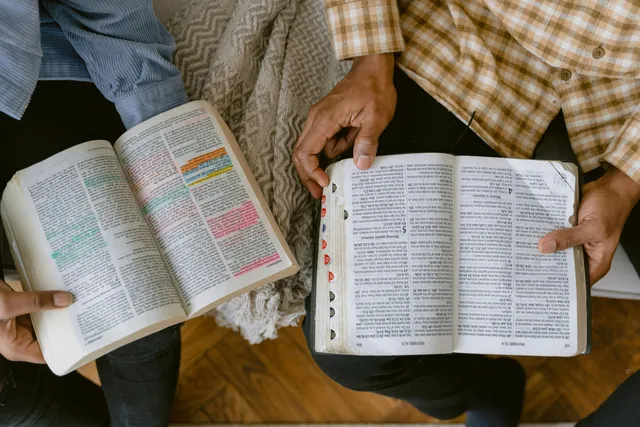
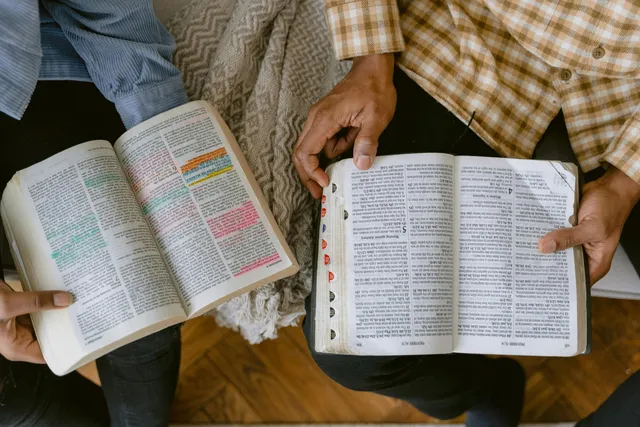
The Bible was never meant to be read in isolation. From the earliest days of the church, believers gathered in homes to hear the Scriptures read aloud, to encourage one another, and to wrestle through understanding together. If possible, join a Bible study group in your church, or invite a few friends to read along with you. You could even share Scripture reflections over coffee or through text messages throughout the week.
Having community brings perspective and keeps you encouraged. When someone else shares how a passage spoke to them, it can awaken something new in you as well. The Spirit often speaks through others just as profoundly as through the page.
How to Handle Confusion or Discouragement
Every reader of the Bible-pastors, teachers, scholars, lifelong believers-has moments of confusion. Some passages will feel strange or even unsettling. When that happens, take heart. You're walking the same road as countless saints before you. Instead of giving up, pause and pray. Ask the Holy Spirit for clarity, and then consult a trusted study guide or pastor who can help you see the cultural or historical context behind a passage.
The Bible interprets itself: the more you read, the more familiar patterns and echoes will stand out. A verse in the New Testament may illuminate something from the Old. A promise in the prophets might resurface in the person of Jesus. The beauty of Scripture is how it weaves into one unified story. Confusion gives way to discovery over time.
Engage Heart, Mind, and Life
Reading the Bible is not an intellectual exercise alone-it's a holistic experience. Allow it to shape your heart, to comfort you, to challenge you. As James 1:22 reminds us, we are not called to be hearers of the Word only, but doers. That means taking what you read and asking, "How can I live this today?"
Small acts of obedience bring Scripture to life. When you read about forgiveness and then choose to offer it in a relationship, the words leap off the page and into your world. When you read about God's compassion and then serve someone in need, you are reading with your hands as well as your eyes.
Choose a Translation That Speaks Clearly
If you've ever opened a Bible and found the language heavy or outdated, don't be discouraged. There are many faithful translations today that communicate God's Word clearly. Versions like the New International Version (NIV), English Standard Version (ESV), or Christian Standard Bible (CSB) strike a good balance between accuracy and readability. For a more devotional tone, the New Living Translation (NLT) or The Message can also be meaningful companions.
What matters most is that you can understand and engage with what you read. You can always compare translations later or explore deeper study tools. In this season, focus on hearing God's voice in language that feels alive to you.
Let Scripture Shape Your Prayer Life
One of the richest ways to read the Bible is by turning your reading into prayer. As you encounter a verse that stands out, pause and speak it back to God. If you read, "The Lord is my shepherd; I shall not want" (Psalms 23:1), you might pray, "Lord, thank You for being my shepherd. Today, help me rest in Your care."
This practice-called praying Scripture-anchors your faith in God's promises and keeps your conversation with Him alive. Over time, your prayers begin to echo the language of the Word, aligning your heart more closely with His.
Seeing the Big Picture Over Time
In the first months of reading, focus on depth rather than speed. But as your familiarity grows, begin to explore how the entire Bible fits together. You might read a Gospel alongside the Psalms, or move through the story of Israel in Exodus while also reading how Jesus fulfills those themes in the New Testament. The connections are beautiful and many.
Think of Scripture like a grand mosaic-each verse and chapter a tile. On its own, a single piece may not show the full image, but with time and steady engagement, a radiant picture of God's love emerges. And that picture will continue unfolding throughout your life.
When the Word Becomes a Companion
As you continue, something remarkable begins to happen: the Bible becomes more than a book to you-it becomes a companion. You'll start recalling verses at just the right moments, as if the words themselves are walking beside you. A promise from Isaiah might comfort you in grief; a line from Philippians might steady you in anxiety. The Scriptures begin to whisper truth into every season.
This is the quiet miracle of reading faithfully: over time, the Word reads you even as you read it. It reveals your heart, heals your perspective, and renews your courage.
Walking with the Word
Beginning to read the Bible isn't about mastering a religious routine-it's about meeting the living God who speaks through it. The journey will stretch across your life, changing shape as you grow. Some seasons will feel bright with Revelation; others will require faith and perseverance. But each moment in the Word builds a deeper foundation of trust and joy.
So start small. Start sincere. Open those pages expecting to find not only stories and wisdom but the very presence of God. And as you do, remember: every journey of faith begins with one simple step. Take yours today-and listen for His voice in the turning of each page.