The phrase "Kingdom of God" carries a kind of holy gravity. It rings through Jesus' teaching like a bell that never quite stops echoing - a phrase simple enough to say, yet deep enough to hold the story of Scripture within it. The Kingdom isn't a new idea that bursts unexpectedly onto history's stage in the Gospels. It is the golden thread running from Genesis to Revelation, the story of God's reign unfolding through time, through covenant, through kings and prophets, and finally through the humble majesty of Christ Himself.
From the Beginning: A Kingdom Created
In the opening lines of Genesis, the language of the Kingdom is already there - though unspoken. God creates a world filled with order, life, and abundance. Humanity is made in His image, not as bystanders but as vice-regents, bearing delegated authority to steward creation under His rule (Genesis 1:26-28). This is the first whisper of the Kingdom: God's sovereign rule expressed through obedient humans in His likeness. The earth itself is meant to be a theater of divine glory, every creature a witness to His majesty.
But rebellion fractures that harmony. The fall is more than a moral lapse; it is a dethroning. Humanity refuses God's reign, choosing self-rule over submission. Yet, even in that loss, the longing for God's Kingdom endures like a memory written in our spiritual DNA. Every story of tyranny, injustice, and longing for peace that follows in Scripture is, at its root, a story about the lost Kingdom - and God's relentless plan to restore it.
The Kingdom Promised: Abraham to David
God begins His restoration project through a promise to Abram. He tells him that through his descendants all nations will be blessed (Genesis 12:1-3). Here the Kingdom takes on a new dimension - a people set apart who will embody God's rule and reveal His character to the world. The covenant with Abraham isn't just about land or lineage; it's about establishing a family through whom the reign of God can once again be seen on earth.
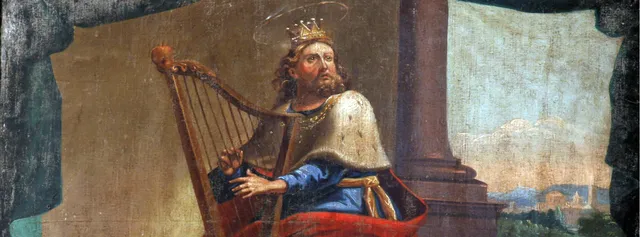
Centuries later, that promise becomes more tangible in the days of David. The shepherd-king represents an echo of Eden - a man after God's own heart, ruling with justice and mercy. God makes another covenant, pledging that David's throne will endure forever (2 Samuel 7:12-16). This is a staggering claim. How could David's royal line last forever? The prophets will take up that mystery, shaping expectation for a future King who will come - not just to govern Israel, but to set all things right.
The Prophets: A Kingdom of Justice and Shalom
When the earthly monarchy collapses under its own corruption, the prophets stand as voices of both judgment and hope. They declare that God's true Kingdom will be established - a Kingdom not built by human might but by divine righteousness. Isaiah speaks of a child who will be called "Wonderful Counselor, Mighty God, Everlasting Father, Prince of Peace." Daniel envisions a stone cut without human hands that grows to fill the whole earth (Daniel 2:34-35). Those images do not merely predict political deliverance; they point toward something far greater - a reign of perfect justice and peace, ruled by the very presence of God Himself.
The Seeds of Hope in Exile
In exile, Israel's faith is stripped down to its essence. Without temple or throne, the people learn that God's true sovereignty is not bound to geography. His Kingdom is not confined to Jerusalem's walls; it can bloom in Babylon's heart. The longing for the Messiah becomes a kind of spiritual north star - a hope that the King to come will not only restore Israel but renew creation itself.
The Kingdom Announced: Jesus Steps Onto the Scene
And then, in the fullness of time, Jesus arrives. His first proclamation in Galilee is startlingly direct: "The Kingdom of God is at hand; repent and believe the good news" (Mark 1:15). The centuries of promise, the ache of exile, the prayers of generations - they all converge here. In Jesus, the Kingdom draws near in flesh and blood.
But the Kingdom He announces is not quite what people expect. It doesn't come on warhorses or with crowns of gold. It comes in parables, in shared meals, in healed bodies and restored hearts. When Jesus speaks of the Kingdom, He uses small, vivid images - mustard seeds, hidden treasure, leaven in dough - to describe something simultaneously humble and unstoppable. The Kingdom is present whenever and wherever God's will is done on earth as it is in heaven.
The Reversal of Expectations
In the Beatitudes, Jesus reveals that the Kingdom belongs not to the powerful but to the poor in spirit, the merciful, the peacemakers, the persecuted. He is rewriting the map of what true authority looks like. Every miracle He performs, every demon He casts out, is a signpost pointing to His royal authority. The blind see, the lame walk, and the forgotten are restored - creation is beginning to be set right again. This is what God's reign looks like when it touches human life.
The Kingdom Revealed in the Cross
Then comes the paradox at the heart of the Gospel: the King ascends not to a golden throne but to a wooden cross. Here, the true nature of divine kingship is revealed. Jesus reigns from a place of suffering, not dominance; through obedience, not coercion. On Calvary, He dethrones the powers of sin and death, establishing His reign through self-giving love.
The inscription over His head - "King of the Jews" - might have been intended as mockery, but heaven sees it differently. The crucifixion is coronation. The resurrection is enthronement. When Christ bursts from the tomb, the long-awaited promise to David finds its divine fulfillment. The eternal King has truly come to reign.
The Kingdom Realized in the Spirit
After His resurrection, Jesus spends forty days speaking about - what else? - the Kingdom of God (Acts 1:3). Then He ascends, and the Spirit descends, igniting the Church to become the living outpost of God's Kingdom on earth. At Pentecost, heaven's authority fills human hearts. The Spirit empowers believers not just to believe in the Kingdom but to embody it - to bring reconciliation, justice, mercy, and hope wherever they go.
The Kingdom Now and Not Yet
This is the beautiful tension at the center of Christian hope. The Kingdom has come, yet it is still coming. We live in the space between "It is finished" and "Behold, I am making all things new." Christ reigns even now, but the full display of His rule awaits the day He returns to make heaven and earth one again. We live as citizens of that future reality, shining like lights of a new creation in the midst of a broken world.
Living the Kingdom Today
Understanding the Kingdom is not a matter of mere theology; it reshapes how we see everything. When we pray, "Your Kingdom come," we align our lives with the mission of God - to push back darkness through love, forgiveness, and truth. The Kingdom transforms ordinary faithfulness into divine participation. Each act of generosity, each word of peace, each humble obedience becomes a brushstroke in the painting of God's coming world.
The Church is called not to build the Kingdom - that is God's work - but to bear witness to it. We are ambassadors of reconciliation, signs of heaven's reign breaking into history. Wherever we see injustice opposed, wounds healed, or enemies forgiven, we glimpse the Kingdom flickering into view. And every moment of worship, every meal shared in Christ's name, every heart bowed in repentance - these, too, are Kingdom moments.
The Eternal Kingdom: Fulfilled and Forever
The story ends where it began: with God dwelling among His people. Revelation shows us the final vision - a city without tears or temples, where the Lamb reigns, and His servants see His face. The promise to Abraham finds its ultimate fulfillment: all nations gathered in worship. The covenant with David stands forever: the Son of David reigns without end. The earth itself, renewed and radiant, becomes once more the garden of the King.
In that day, no one will pray for the Kingdom to come; it will have fully come, filling every corner of creation with light. Until then, we live in hope, carrying the Song of Songs of the Kingdom in our hearts - a melody that began before time and will never end.
Seeking the King Daily
The Kingdom of God is not an abstract idea but an invitation to relationship - to love the King and to live under His rule even now. It calls us to humility, to courage, to faith that believes God is still working His renewing power in and through us. Every morning that we rise and whisper, "Your Kingdom come," we participate in that great divine story stretching from Eden to eternity.
May we live as citizens of that eternal Kingdom today - people whose lives point back to the King who reigns already, whose love cannot fail, and whose Kingdom has no end.