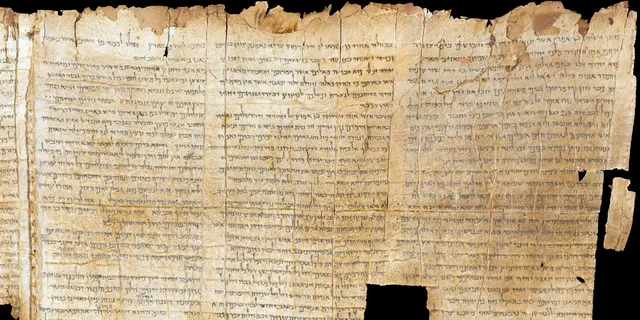
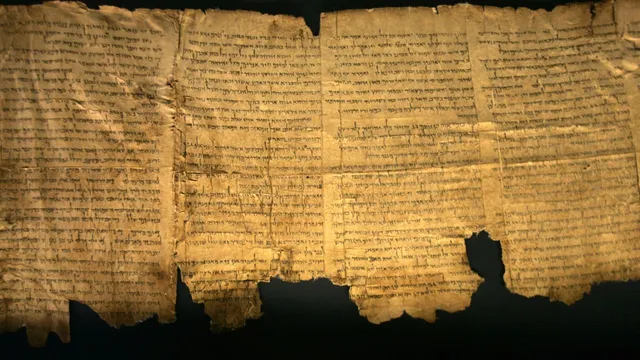
The Bible is not merely a sacred text-it is the wellspring of stories that have given shape and soul to the art of storytelling itself. From the first rhythmic lines of Genesis to the sweeping finale of Revelation, Scripture has provided the world with a vocabulary of meaning, a gallery of archetypes, and a heartbeat of hope that continues to pulse through every age of literature. Writers both ancient and modern have turned again and again to its cadences and its characters, its poetry and paradoxes, finding there the essence of human struggle and divine grace.
The Bible as Story-A Universe Told in Words
We often forget that before it was a book, the Bible was a story spoken aloud-a narrative carried by voice and memory across generations. This sacred story begins with light bursting into darkness and ends with the promise of a world made new. Within those two points unfolds an epic that no novelist could have imagined, because it speaks not only of kings and wanderers, prophets and poets, but of the human soul itself.
Every form of story we know-tragedy, comedy, parable, epic, lament-finds its prototype somewhere in Scripture. The Psalms sing poetry that reaches to heaven; the Gospels move with the pace and compassion of a perfect short story; the histories of Samuel and Kings tell of ambition and betrayal worthy of Shakespeare; and the prophets thunder like visionaries out of a timeless drama. When we open the Bible, we are stepping into the original story-world, the one that taught humanity how to see meaning in events, how to frame suffering with redemption, and how to long for resolution that transcends the merely earthly.
Echoes of Eden and Exile in Literature
From Milton's Paradise Lost to C.S. Lewis's Chronicles of Narnia, the themes of the Fall and the hope of restoration have never ceased to inspire writers. The Bible begins with a garden-a picture of perfect relationship between Creator and creation-and it reveals how humanity turned from that harmony, setting in motion the long ache that all stories echo. Every tale of exile, every journey home, in some way mirrors that first heartbreak in Eden.
Modern literature still carries these echoes. When a character feels lost, searching for identity or redemption, that thread traces back to Genesis. When a narrative depicts sacrificial love that conquers evil, we hear the resonant undertone of the Cross. The language of Scripture has become the spiritual DNA of storytelling, so deeply woven into Western imagination that even secular novels often bear traces of its narrative structure-creation, fall, redemption, and restoration.
The Power of Symbol and Metaphor
The Bible gave writers a treasury of images that continue to appear in stories, songs, and poetry: light and darkness, bread and wine, wilderness and home, river and fire. These symbols are never merely decorative in Scripture-they are revelations. They speak to the invisible made visible. When John writes, "The light shines in the darkness, and the darkness has not overcome it" (John 1:5), he does more than describe an abstract idea; he frames the central tension of human existence, the battle between despair and hope. Artists and authors ever since have borrowed that eternal conflict as the spine of their own creations.
The Greatest Characters Ever Told
Consider the remarkable realism of biblical characters. David is both beloved and broken, a poet-warrior whose victories are shadowed by moral failure. Ruth is an immigrant whose loyalty changes nations. Peter is brash and fearful, redeemed not by perfection but by forgiveness. These lives, recorded in all their complexity, influenced how later authors portrayed humanity-not as flat symbols but as living souls. Shakespeare's flawsome heroes, Dostoevsky's tortured consciences, and even modern antiheroes in film owe their depth to such biblical precedents.
The Bible revealed that even the most flawed individual could still be part of God's unfolding story. That Revelation rewired the moral imagination of literature. It meant that stories no longer existed merely to entertain or instruct-they could invite transformation. When a reader sees a character fall and rise again, grace becomes tangible. That is biblical storytelling at work, echoing across time.
The Transforming Rhythm of Biblical Language
The beauty of Scripture is not just in what it says but in how it says it. The cadence of the King James Version, for instance, has shaped the music of English prose for centuries. Its rolling phrases and parallelisms brought dignity and gravity to speech. Even those who never read the Bible directly have been touched by its sound-phrases such as "the powers that be," "a still small voice," or "the valley of the shadow of death" have entered our cultural bloodstream.
Through language, the Bible gave writers a model of words alive with spirit. The prophets did not speak with sterile precision but with fire and rhythm. The Psalms moved like songs rather than statements. This lyrical vitality inspired poets from John Donne to T.S. Eliot, who found in the Bible not only a message but a music. The result is literature that seeks to speak from the soul rather than simply describe the world.
The Balance of Truth and Beauty
In Scripture, truth and beauty are never at odds. "The word of the Lord is right and true," sings the psalmist, "the earth is full of His unfailing love" (Psalms 33:4-5). Great literature borrows that rhythm-the blend of moral vision and aesthetic form. Whether in the restrained elegance of Jane Austen or the rugged moral realism of Flannery O'Connor, one can sense that longing to express the eternal through the temporal. O'Connor herself once wrote that for the Christian artist, the meaning of the world is found in its redemption. That insight is thoroughly biblical and thoroughly literary.
Stories That Point Beyond Themselves
Every age has its storytellers, but the best of them recognize that their craft points beyond their own imagination. In the Bible, stories are never merely for entertainment-they are revelations of who God is and who we are. Jesus Himself taught primarily through parables-small, vivid fictions that carried eternal truths. The lost sheep, the prodigal son, the mustard seed-these are not just tales, but mirrors for the human heart. And in His narratives, we see both the simplicity of storytelling and its divine potential to awaken souls.
Writers shaped by Scripture have often woven such parabolic insight into their works. Bunyan's Pilgrim's Progress transformed life's spiritual journey into an everyman's adventure; Tolkien's Middle-earth pulses with the moral resonance of providence and sacrifice; and even contemporary authors find in biblical structure a way to express longing, loss, and redemption. The Bible teaches that stories matter because they are vessels of truth.
The Bible and the Moral Imagination
One of the Bible's greatest impacts on storytelling is the formation of the moral imagination-the ability to see the world not only as it is, but as it ought to be. Scripture teaches us to discern goodness, to recognize the beauty of virtue and the tragedy of sin. Through its narratives, we learn empathy: we weep with Joseph's brothers, we wrestle with Jacob, we rejoice with Mary. Literature that builds upon this foundation does more than portray life; it calls the reader to moral reflection and hope.
In an age of cynicism, this biblical inheritance remains vital. The Word of God gives storytellers a compass where the world offers chaos. It reminds them that words can heal, reveal, and reconcile. To write under the shadow of Scripture is to believe that truth can still set people free (John 8:32), and that no story is too broken for redemption.
Reclaiming the Sacred Power of Story
As readers and believers, we live surrounded by stories-on our screens, in our songs, in the quiet thoughts of our hearts. Not all stories uplift; many merely distract. But those that draw from the biblical well bring water to the soul. They remind us that meaning still exists, that hope still enters the ordinary. A child reading a parable, a poet reflecting on a Psalms, or a filmmaker inspired by resurrection imagery-all are continuing a sacred tradition begun when God first said, "Let there be light."
To tell a story in the spirit of Scripture is to participate in creation itself. It is to bring chaos into order, to speak to the human condition with both honesty and grace. That is the secret power of the Bible's influence-it does not simply shape literature; it shapes the storyteller. It trains the heart to see redemptive patterns where others see only ruin, to call forth life where others see only shadow.
Living the Story We Have Been Given
In the end, the Bible's greatest literary legacy is not confined to libraries or lecture halls-it lives in the lives of those who believe its story enough to live it. Our faith is not a static text but an unfolding narrative, a journey of grace and struggle, of crucifixion and resurrection. Each of us, in our own way, becomes a living page in that divine story.
The world still hungers for stories that reflect light into darkness, mercy into judgment, resurrection into despair. As Christians, we have inherited the highest calling of all-to let our words, our art, and our daily choices echo the Word that became flesh. Whether we write novels, read bedtime stories to children, or simply listen to a friend's journey, we carry the storyteller's mantle. The Bible does not just teach us how to write; it teaches us how to live with meaning.
And so, as readers and storytellers of faith, may we never forget: the Author of Creation is still writing. His story moves through us, page by page, word by word, until one day all endings will be made new. That is how the Bible continues to shape not only literature, but life itself.