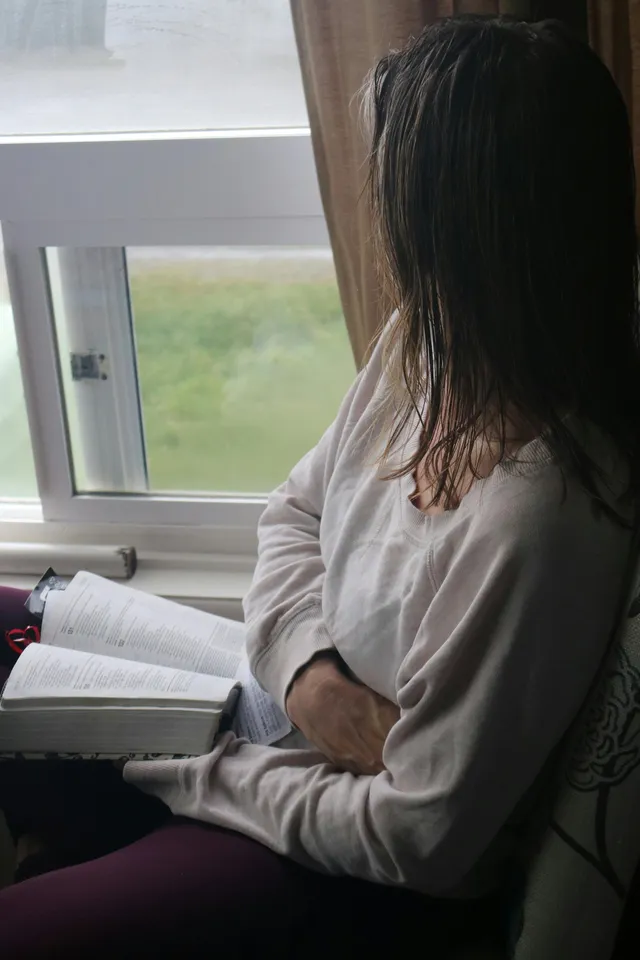
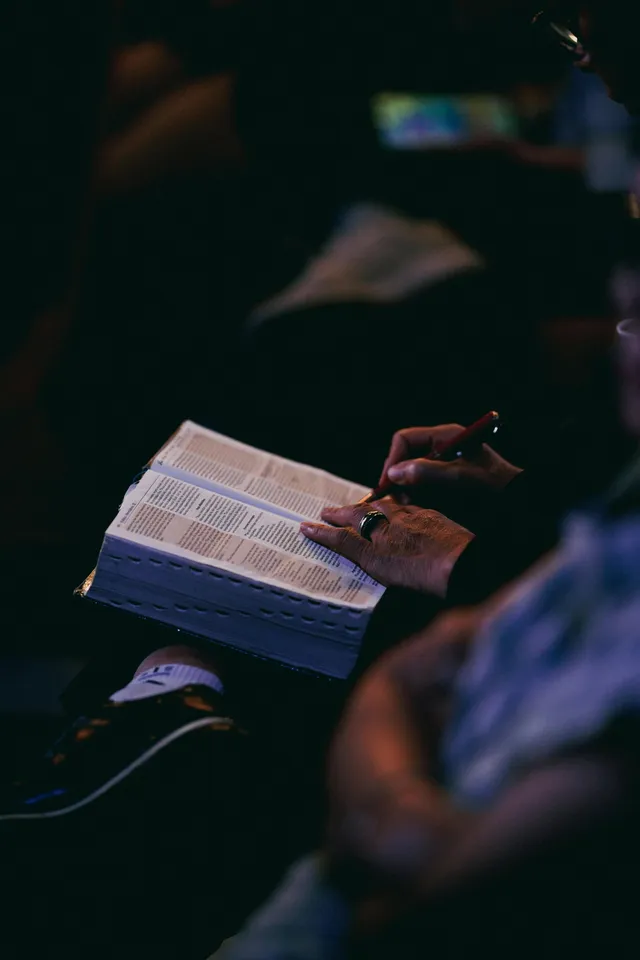
There is a reason fear shows up so frequently in Scripture. It whispers in the Garden, it confronts prophets, it hovers over disciples as waves crash around them. Fear is part of our human story-yet from Genesis to Revelation, we hear another voice calling out, gently but firmly: "Do not be afraid." These words are not naïve optimism; they are a divine invitation to trust. The Bible doesn't deny fear-it redeems it by showing us where true courage begins.
The Honest Reality of Fear
Fear is universal. It hides beneath our daily anxieties, our stress at work, our worries about health, family, or the future. For some, it's a shadow that follows quietly; for others, it's a storm. The Bible never shames us for being afraid. Instead, it meets us there, in the middle of trembling hearts and uncertain nights.
The Psalms are filled with raw cries of fear: David admitting that his enemies seemed too powerful, or the psalmist in Psalms 56 confessing, "When I am afraid, I put my trust in You." That phrase doesn't say "if" I am afraid-it says "when." Scripture acknowledges that fear is inevitable at times, but it also anchors us in a deeper truth: fear may visit, but faith decides how long it stays.
God's Presence in the Storm
When fear grips us, we often assume God is distant. But throughout the Bible, His answer to fear is almost always His presence. From Moses standing barefoot before the burning bush to Jesus calming the sea, the antidote to fear has never been self-confidence-it's God's nearness.
From Exodus to the Gospels
Think about Moses. When he protested that he wasn't eloquent enough to confront Pharaoh, God didn't give him a motivational speech. He gave him a promise: "I will be with you." Centuries later, an angel spoke the same assurance to Joseph, Mary, and the shepherds at Bethlehem. And when Jesus walked the earth, those words were embodied-literally. Emmanuel. God with us. That simple phrase carries the same power today. Fear melts in the warmth of His presence because love drives out fear (1 John 4:18).
Learning to Listen Beyond Fear
Fear has a voice. It's persuasive, logical, and loud. It tells you God has forgotten you, that you'll fail, that things will never change. But the Bible trains us to recognize a more trustworthy voice-the quiet, consistent truth of God's Word.
In Matthew 14, when Peter steps out of the boat and walks toward Jesus, the wind becomes his focus, and fear begins to win. Yet, the moment his eyes return to Christ, he's lifted. The lesson here is simple but profound: what we fix our eyes on determines whether we sink or stand. Scripture becomes the lens through which we reframe fear-not as the ultimate reality, but as an opportunity to trust more deeply.
Practicing Scriptural Reflection
One of the most practical ways the Bible helps us overcome fear is through repetition of truth. Passages like Psalms 27 ("The Lord is my light and my salvation-whom shall I fear?") or Isaiah 41:10 ("Do not fear, for I am with you") become anchors for the soul. When you read them repeatedly, not as clichés but as living words, they start to reshape the inner dialogue. The voice of fear loses authority because Scripture speaks louder.
Faith Over Feelings
It's tempting to think we must feel unafraid in order to act with faith. Yet the Bible paints a different picture. Faith often rises while hands still tremble. Gideon hid in the winepress before leading a nation. Esther feared the king's wrath even as she entered the throne room. Paul wrote about courage while chained in prison. In each story, fear didn't disappear-it was transformed through obedience.
Faith is not the absence of fear; it's the decision to move forward despite it. Scripture teaches us that courage is not born from denial but from dependence. When we read about heroes of faith, we are reminded that ordinary people-just like us-found extraordinary strength because they trusted in an extraordinary God.
Replacing Fear with God's Promises
The human mind naturally fills itself with something. If we attempt to simply "stop being afraid," we leave a vacuum that fear will soon reclaim. But when we fill our minds with God's promises, fear has no oxygen to thrive. Scripture becomes the blueprint for mental renewal.
Promises to Hold Onto
Here are some biblical promises worth writing on your heart during times of fear:
- God's Protection: "He will command His angels concerning you to guard you in all your ways" (Psalms 91:11).
- God's Provision: "My God will meet all your needs according to the riches of His glory in Christ Jesus" (Philippians 4:19).
- God's Peace: "The peace of God, which transcends all understanding, will guard your hearts and your minds" (Philippians 4:7).
- God's Power: "For God has not given us a spirit of fear, but of power and love and a sound mind" (2 Timothy 1:7).
These aren't abstract ideas; they're covenant promises. When spoken aloud and believed, they become shields of faith. The more we recall God's words, the less persuasive our fears become.
How Scripture Transforms Our Imagination
Fear thrives on imagination-on what might happen, not what is. It projects worst-case scenarios and magnifies future threats. But Scripture reclaims that imagination for holy purpose. When we meditate on truth, our mental pictures shift from disaster to deliverance.
Consider Psalms 23. It doesn't ignore trouble: "Even though I walk through the valley of the shadow of death." But then comes the transforming phrase-"I will fear no evil, for You are with me." David's imagination changes direction; instead of picturing shadows, he envisions the Shepherd beside him. The same shift awaits us when we let the Word reshape how we picture reality. The Bible doesn't remove valleys-it reframes them as paths walked with God.
Small Steps Toward Courage
Overcoming fear isn't an instant event; it's a journey of rhythm and grace. The Bible guides that process gently:
- Start with honesty. The psalmists didn't hide their feelings. Begin by telling God your fears. Honesty is the first act of courage.
- Anchor in Scripture daily. Keep verses of reassurance visible-on mirrors, phones, or prayer journals. Let truth become your daily companion.
- Pray with expectation. As you speak God's promises back to Him, anticipation replaces anxiety. Faith flourishes in dialogue with the Divine.
- Act despite trembling. Often the breakthrough comes after we step forward. Like Peter walking on water, motion precedes miracle.
The Transforming Power of Remembering
Fear often feeds on forgetfulness. When we forget what God has done, fear fills the gap. That's why Scripture repeatedly calls us to remember: remember the Exodus, remember the cross, remember God's faithfulness. Each act of remembering becomes an antidote to fear. The Israelites built altars of stones to mark divine deliverance. You can do the same symbolically-write down answered prayers, journal moments of peace amid panic, celebrate small victories of faith. These memorials whisper: "He did it before; He can do it again."
Courage Anchored in Eternity
All earthly fears shrink when seen in light of eternity. The Bible constantly stretches our horizon beyond the moment. Jesus reminded His followers not to fear those who can harm the body but to rest in the God who holds their souls (Matthew 10:28). Paul, in his letters, faced imprisonments, beatings, and uncertainty, yet his confidence burned brighter because his hope reached beyond this life. When we live from eternal perspective, temporary fears lose their control.
Bringing It Home
So what does this mean for you today-for the fear that wakes you at night or the anxiety that lingers in the morning? It means you don't have to face it alone. The same Spirit who parted seas and rolled away stones now dwells within you. Scripture is not just an ancient record; it's a living companion. As you read, pray, and hold fast to its promises, fear begins to bow to a deeper reality-God's unwavering love.
Maybe you won't feel instantly courageous, and that's okay. Courage steeped in Scripture grows quietly, like roots pressing deeper beneath the surface. One day, without realizing when it happened, you'll notice the fear that once paralyzed you has lost its grip. What remains is peace. Not human calm, but Christ's peace.
In every fearful moment, the Bible reminds us: you are seen, you are loved, and you are never, ever alone. That is the courage of faith-the kind that silences fear not by willpower, but by worship.