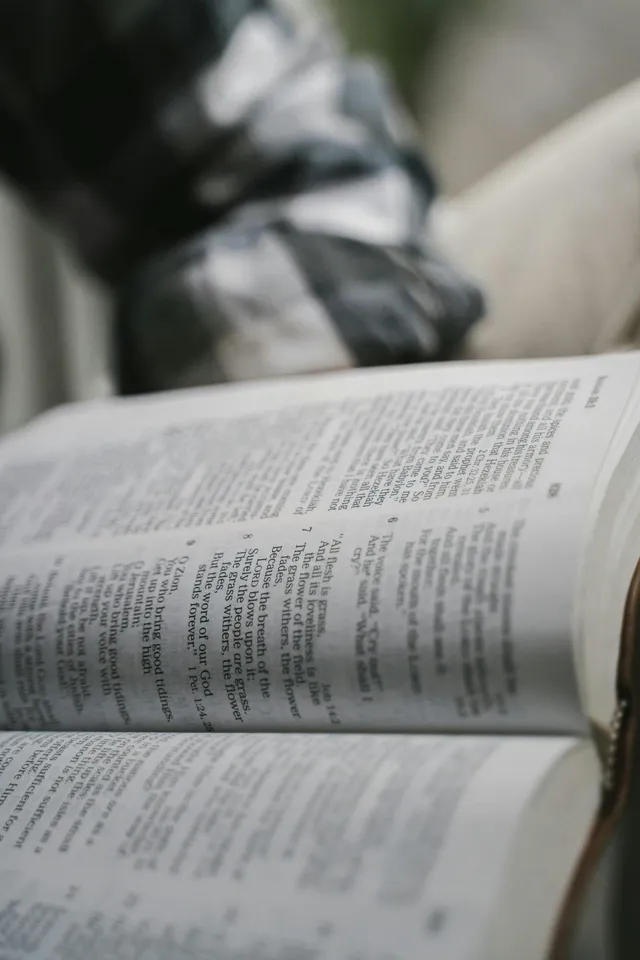
There are seasons in life when joy seems to slip quietly out of reach-when prayers echo in the silence, laughter feels foreign, and the weight of grief, disappointment, or weariness presses heavily on the soul. Yet, buried beneath that ache lies a hope that refuses to die. For the Christian, the story does not end in sorrow. It bends toward healing, toward restoration, toward joy made new by the One who makes all things new. Finding joy again is not about pretending everything is fine; it is about allowing Christ to restore what has been broken within us.
The Quiet Work of Healing
Healing rarely arrives with fireworks or fanfare. More often, it tiptoes in quietly through moments of honesty with God. When we stop trying to hold everything together and simply sit before Him-just as we are, with our confusion, anger, or numbness-He begins His gentle work. David knew something of that process. His Psalms pulse with raw emotion and yearning, yet in his cries we see faith trembling but alive. In Psalms 51, after confessing his sin, David prays, "Restore to me the joy of your salvation." Joy, he knew, was not found in fixing circumstances but in being restored to the presence of God.
Healing begins when we dare to bring our pain into the light of His presence. Not polishing it, not explaining it-just placing it there, open-handed. God does not despise our broken honesty; He meets us there. The healing of joy often happens not when life gets easier but when our trust grows deeper.
When Joy Feels Out of Reach
There are times when the heart grows tired of trying. When gratitude feels forced and even prayers taste bitter. These are not signs of weak faith but of deep humanity. Elijah knew this weariness well. After his mighty showdown on Mount Carmel, he collapsed in despair beneath a broom tree, crying out, "It is enough; now, O Lord, take my life." Yet God did not scold him for his exhaustion. Instead, He provided rest, food, and quiet renewal-a reminder that sometimes what we most need is permission to rest while God cares for us.
When joy feels distant, our task is not to manufacture it but to remain open to the God who sustains us in the waiting. Healing joy often begins with rest-the spiritual surrender that lets God fill the cracks we cannot mend. It is the humility of realizing that our joy was never meant to be self-made, but Spirit-born.
Relearning the Language of Gratitude
Gratitude, in these seasons, does not always come easily. Yet it is one of the most powerful practices God gives us for healing. Gratitude shifts the gaze from what has been lost to the daily mercies still unfolding-small patches of light breaking through the clouds.
When Job's world fell apart, his first recorded response was startling: "The Lord gave, and the Lord has taken away; blessed be the name of the Lord." This was not shallow optimism. It was the fierce decision to praise even in pain. Gratitude does not erase suffering; it reframes it. Each moment of thanksgiving-each whispered acknowledgment of God's faithfulness-is a declaration of resilience, a way of saying, "My joy is anchored deeper than this pain."
Small Acts of Joy
Gratitude often begins small. A quiet walk. A shared meal. A verse that stirs the heart again. The rediscovery of beauty becomes part of the healing-proof that the world is not only broken but also blessed. Over time, these small acts accumulate, gathering into a river of renewed joy. Every thank-you is like a stepping stone back toward wonder.
The Presence That Restores
True joy cannot be uprooted by circumstance because its roots are in presence-the presence of God Himself. The psalmist writes, "In your presence there is fullness of joy" (Psalms 16:11). This is not metaphorical; it is experiential. We often look for joy in a changed situation, but Scripture continually points us to a changed posture: to abide in Him, to dwell, to rest.
There is something transformative about simply being with God with no agenda. Whether through silent prayer, gentle worship, or quiet reading of the Word, His presence reshapes our hearts. Over time, what once hurt simply becomes part of the story He is redeeming. In His presence, pain begins to lose its power to define us.
When Prayer Becomes Silence
There are days when words fail. Joy feels ungraspable and prayer feels like breathing into the void. Yet even then, the Spirit intercedes "with groanings too deep for words" (Romans 8:26). This means that the absence of eloquence does not mean the absence of communion. Even when we cannot articulate our longing for joy, God hears the ache beneath it. And sometimes, that silent prayer is the most sincere we will ever offer.
Learning to Receive Again
One of the extraordinary truths of Christian faith is that joy is not something we chase but something we receive. Jesus tells His disciples in John 15:11, "I have told you this so that my joy may be in you and that your joy may be complete." Notice the direction: His joy in us. We are vessels, not manufacturers. The joy of Christ does not depend on our circumstances but flows from His eternal love.
To receive again means to stop striving to be healed on our own terms. It means resting in divine timing, trusting that the joy Christ promises is not fragile. It may rise slowly, like dawn after a long night, but it comes. And when it does, it carries with it a steadiness that worldly happiness cannot imitate. Joy that has been through the fire knows its source; it knows it is grace.
The Role of Community
Healing rarely happens in isolation. God designed His people to walk together, to be tangible reminders of His presence for one another. In Acts 2, the early believers gathered for prayer, meals, and joy-filled worship-even under persecution. Their shared faith became a circle of light in a dark world. Likewise, when we invite others into our healing, the weight becomes lighter, the journey less lonely.
Community is one of the ways God rebuilds joy within us. A conversation over coffee. Someone's prayer on your behalf. Shared laughter after sorrow. These moments are more than social comfort; they are sacred threads of restoration. To seek community is not weakness but wisdom-it is to open ourselves again to the ways God works through His people.
Letting Others Carry the Hope
Sometimes, in seasons of deep grief, we need others to believe for us. Just as the friends of the paralyzed man carried him to Jesus, there are times when we must allow others to carry our hope until we can hold it again ourselves. This humility-to lean on the faith of another-is not defeat; it is discipleship. It invites the body of Christ to function as it was meant to: each part supplying strength to the other.
Choosing Joy Daily
Joy is not always a feeling; often it is a choice-a defiant declaration that even if the valley remains, God is still good. The Apostle Paul wrote Philippians, perhaps the most joy-filled letter in the New Testament, while imprisoned. His secret was not naïveté but trust. He had anchored his joy in a Savior who transcended circumstance. Paul understood that the joy of the Lord is both strength and strategy: it fuels endurance and fixes our gaze on eternal realities.
To choose joy, then, is to choose alignment with truth: that God is faithful, that His mercies are new each morning, that even painful seasons are not wasted. Each day, we have an opportunity to shift our focus from what drains us to what renews us-from the burden of perfection to the gift of presence.
Finding Joy Again
To find joy again is not to return to who you were before the pain; it is to become someone new-someone tender, rooted, resilient. It means carrying the memory of loss but no longer being defined by it. It means letting the light back in, slowly but surely, until laughter feels natural again. The Christian journey is one of continual resurrection-small resurrections of hope, faith, and joy amid the ordinary days of life. Each morning holds the promise that God is not finished yet.
Joy is not the absence of sorrow but the presence of Christ in the midst of it. The more we invite Him into our broken places, the more we begin to recognize His fingerprints everywhere-in the sunrise, in the kindness of strangers, in the quiet peace that whispers, "You are still mine."
Walking Forward With New Eyes
So, how do we live now, having tasted that restoration? We walk slowly, attentively. We notice more. We forgive a little faster, love a little deeper, laugh a little freer. We become carriers of joy for others still stumbling through their night. In doing so, we participate in the miracle that once met us: hope transforming despair, ashes becoming beauty.
Finding joy again is not the end of the story-it is the continuation of God's redemption in our lives. Each step forward becomes both an act of faith and a testament to grace. And one day, when we look back, we will see the thread that ran quietly through every moment: His hand, steady and sure, leading us from mourning into dancing once more.
May you find that joy not as a fleeting feeling but as a deep and enduring presence-the evidence that, even now, God is making all things new.