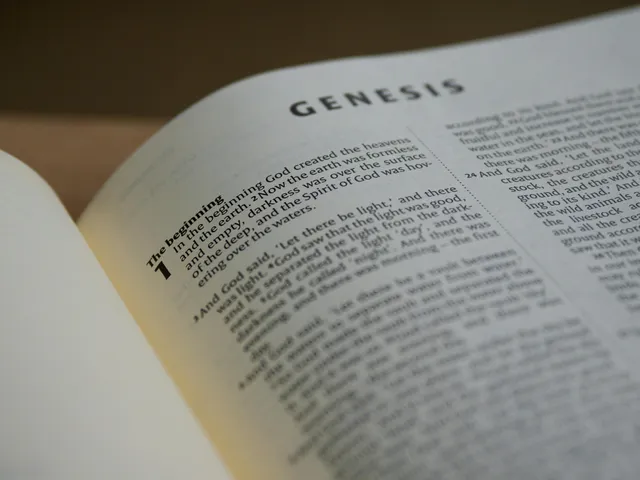
Words are the windows through which we glimpse the heart of Scripture. Each phrase, each term, carries layers of richness that reveal the thoughts and purposes of God. Yet, in our modern readings, much of this treasure remains partially hidden-veiled behind translation, familiarity, or hurried devotion. Word studies open these windows wider. They invite us to pause, to listen again to the language of faith, and to let simple words unfold divine depth.
The Beauty of Slowing Down
In a culture that prizes speed and efficiency, word studies offer a countercultural act of worship. To trace a biblical word back through its Hebrew or Greek roots is not about showing off linguistic skill-it's about pursuing intimacy. When we slow down and ask, "What did this word mean to those who first heard it?" we begin to hear Scripture with fresh ears. We discover that God's Word is living not only in its message, but in its vocabulary.
Each biblical term holds history, emotion, and Revelation. The Bible wasn't written in abstract theology, but in the words of farmers, prophets, fishermen, and kings. Every word invites us into that world-and through it, into the heart of God Himself.
Rediscovering 'Shalom' - More Than Peace
Let's begin with a word many know: shalom. We often translate it as "peace," yet in Hebrew thought, peace was never the mere absence of conflict. Shalom describes wholeness, harmony, and flourishing in every dimension of life. It's when relationships, communities, and even creation itself function as God intended.
When the prophets spoke of shalom, they weren't just longing for nations to stop fighting; they were envisioning the complete restoration of God's order. That's the depth behind Jeremiah's promise that God has plans for "peace" (Jeremiah 29:11)-not simply an easier life, but a reality marked by fullness and well-being. To live in shalom is to live in alignment with the Creator's design.
It changes how we pray. Instead of only asking for peace of mind, we can ask for shalom to reign over our relationships, our communities, even our hearts when anxious. In doing so, we echo the priestly blessing of Numbers 6:24-26, which culminates with, "The Lord turn His face toward you and give you peace."
A Word That Breathes: 'Ruach'
Few words capture the movement of God like ruach. In Hebrew, it means both "breath" and "spirit." We first encounter it in Genesis 1:2-the Spirit of God hovering over the waters like a wind before creation bursts into being. The same word describes the breath that God breathed into Adam, animating dust into life. Ruach is the vitality of God at work in the world and in us.
Understanding ruach reshapes how we think about the Holy Spirit. This is not a distant or abstract presence, but the very breath that enlivens believers and renews creation. When Jesus breathed on His disciples after His resurrection (John 20:22), He echoed that same creative act from Genesis, giving them new life through the Holy Spirit. Each breath we take becomes a quiet reminder: we live because of God's ruach.
The Weight of Glory: 'Kabod'
The Hebrew word kabod, often translated as "glory," literally means "weight" or "heaviness." Yet it carries no sense of burden-instead, it refers to substance, significance, and splendor. God's glory is not light or fragile; it's solid, real, and enduring. When Scripture says the glory of the Lord filled the tabernacle (Exodus 40:34), it tells us that God's presence had a tangible, overwhelming reality.
Kabod reminds us that God's presence outweighs everything else. In contrast to the fleeting weightlessness of worldly pursuits, His glory brings stability to the soul. When life feels uncertain or hollow, reflecting on God's kabod can reorient us. It lifts our eyes from temporary things to what truly endures.
The Tender Strength of 'Chesed'
One of the most beloved Hebrew words in the Old Testament is chesed-usually translated as "steadfast love," "lovingkindness," or "mercy." Yet no single English word does it justice. Chesed describes loyal, covenantal love-the kind that doesn't give up even when we fail. It's the word that frames God's covenant with Israel, the theme behind so many Psalms, and the pulse of His redeeming character.
When David sings, "Surely goodness and mercy (chesed) shall follow me all the days of my life" (Psalms 23:6), he's not just speaking of God's kindness. He's describing a steadfast love that pursues relentlessly. Chesed is grace with endurance, compassion that refuses to let go.
Living the Reality of Chesed
When we receive God's chesed, we are called to mirror it. This means extending patience when irritated, choosing forgiveness when wronged, and showing kindness where indifference would be easier. Every act of steadfast love becomes a living translation of chesed in our relationships.
'Agape' and the Revolutionary Nature of Love
Crossing into the Greek of the New Testament, agape rises as one of the most luminous words in Scripture. Unlike the affection of philia (friendship) or the passion of eros (romantic love), agape refers to self-giving love-the kind that seeks another's good without demanding return. It's the love that moved Christ to the cross and calls His followers to mirror that same sacrificial pattern.
In 1 Corinthians 13, Paul builds an entire vision of the Christian life upon this single word. Agape is not a sentiment but a decision-the steadfast choice to value others as God does. When we read that "God is love" (1 John 4:8), it's agape being described. This word draws us to live lives that are generous, patient, and marked by the freedom of self-forgetful giving.
Agape as a Daily Practice
The beauty of agape is that it sanctifies ordinary moments. It shows up in listening to someone's pain, serving unseen, or forgiving quietly. Word study becomes embodiment-it moves from page to person. As we fill our minds with the meaning of agape, we begin to live differently: slower to anger, quicker to bless, unafraid to love extravagantly.
'Metanoia': The Word That Changes Everything
When Jesus began His ministry, His first message was simple: "Repent, for the kingdom of heaven is near." The Greek word for "repent" is metanoia-literally, "a change of mind." But this isn't merely moral regret or a fearful apology. It signifies a turning-a deep reorientation of one's entire being toward God. It's awakening from illusion to truth, from self-rule to surrender.
Metanoia is the conversion that keeps on converting. It reminds us that repentance is not a single event but a lifestyle of transformation. Every time we shift from selfishness to love, from control to trust, we're living a little more fully in metanoia.
Word studies like this help us see how repentance is not meant to crush but to liberate. It's not about shame; it's about invitation-to walk again in step with the Spirit, to participate in renewal, to return home to joy.
Why Word Studies Matter in Daily Life
At first glance, studying ancient words may seem like the work of scholars or theologians. But in truth, it's the journey of every believer who wants to know God deeply. Word studies are devotional, not merely educational. They turn reading into encounter. When we slow down with the text-tracing, noticing, asking-we enter conversation with Scripture itself.
Imagine your next quiet time not rushed but curious. You come across the word "hope" and look up its Greek root, elpis. You discover it means confident expectation, anchored certainty. Suddenly your prayer shifts-from a vague wish that God might act, to a solid confidence that He surely will. The deeper meaning doesn't just inform; it transforms your posture of trust.
Practical Pathways
- Start small. Choose one word from your reading that stirs your attention. Look up its definition using a trusted resource like Strong's Concordance or a reliable Bible dictionary.
- Ask questions. Where else does this word appear? How does its meaning shift in different contexts?
- Pray the word. Let its meaning shape your conversation with God. If the word is "grace," rest in it. If it's "hope," declare it. Let the study become worship.
A Living Lexicon of Faith
The more we explore, the more Scripture blossoms. We begin to realize that God has woven His truth not only through stories and parables but through the very fabric of language. Words like shalom, ruach, chesed, and agape are not relics of another time; they are living invitations. They call us to experience the Kingdom of God in thought, breath, and action.
One day, perhaps as you read a familiar verse, a single word will arrest your heart. You'll pause-and in that pause, the Spirit will teach. That's how Scripture becomes alive again: through curiosity, reverence, and love for the God who speaks through every syllable.
Hearing the Word Behind the Words
To study a biblical word is to listen for its heartbeat. It's to stand where heaven and earth meet in language, where divine truth takes human form. When we uncover the meaning of a word, we uncover a glimpse of God's voice. These studies do more than fill our minds-they awaken devotion, soften hearts, and renew wonder.
Next time you open your Bible, linger over a word. Ask what it meant then, and what it means now. You may find that those few letters hold an entire world-a word waiting to draw you nearer to the Lord who spoke it first and still speaks today.