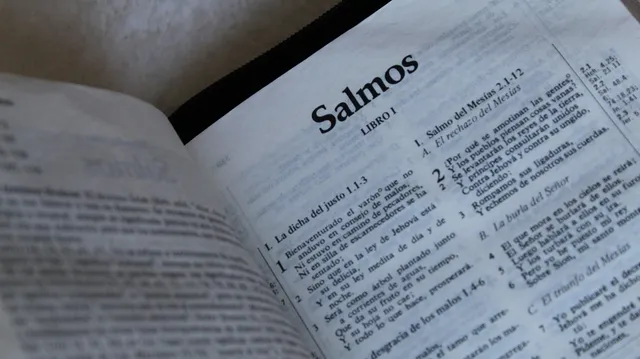
We live in a world where the noise never stops - expectations, pressures, and fears crowd our minds. Mental health, a topic once hidden in shame or misunderstanding, is now openly recognized as part of our whole wellbeing. But for believers, the Scriptures have long offered deep wisdom, reassurance, and healing for the anxious or heavy soul. The Bible does not ignore our mental and emotional struggles; rather, it shines light through them, reminding us that the God who formed our minds also refreshes them.
Below are ten verses - not just to read, but to dwell with. Each one is a gentle anchor, a truth to bring us back to peace when the currents of life seem too strong. Let these words be more than references; let them breathe hope into your heart and renew your trust in the One who holds you steady.
1. Philippians 4:6-7 - Peace Beyond Understanding
Few passages speak more directly to anxious hearts. Paul's exhortation to "be anxious for nothing" isn't a dismissal of worry but an invitation to exchange it for something far greater: peace that transcends understanding. The power of this passage lies in the process it describes - prayer, petition, thanksgiving - a rhythm that turns panic into surrender.
It reminds us that when we come before God honestly, presenting our fears and gratitude together, His peace stands guard over our thoughts. The image of God's peace as a protective sentinel around our hearts is poignant. In a world that constantly fragments our attention, this verse calls us to stillness and trust, believing that even what we don't understand can rest safely in His hands.
2. Psalm 34:18 - The Nearness of God in Brokenness
"The Lord is close to the brokenhearted and saves those who are crushed in spirit." Simple, steady, and profoundly tender - this verse reminds us that God's proximity increases in our pain. It doesn't promise that life will suddenly become easy, but it does promise that we never suffer alone.
When anxiety or depression whispers isolation and failure, this Psalms cuts through the noise with truth: God comes nearer to the very places we wish He wouldn't have to see. His rescue may not always look dramatic, but it's real - a quiet saving, a presence that restores hope one breath at a time.
3. Isaiah 26:3 - Perfect Peace for the Fixed Mind
In a ceaselessly distracted world, Isaiah's words invite us to focus: "You will keep in perfect peace those whose minds are steadfast, because they trust in you." There is a holy steadiness in this verse - the idea that peace isn't found in external calm, but internal focus. When our minds are anchored to the character of God, not the chaos of circumstances, His peace becomes not fleeting but constant.
This perfect peace doesn't mean unfeeling detachment; rather, it's the assurance that however fierce the storm, we're tethered to Someone stronger than the winds. Trust becomes the rhythm of mental and spiritual balance.
4. 1 Peter 5:7 - The Great Exchange
"Cast all your anxiety on Him because He cares for you." It's a short verse with immense depth. Peter - who knew fear firsthand, who once sank in the waves of doubt - offers a command shaped by experience. To cast our anxiety is not to ignore it, but to intentionally transfer the weight. This is divine therapy for the soul: the act of giving God what we cannot bear, believing His care is absolute.
It's both humbling and freeing - humility because it admits we need help, freedom because it releases burdens we were never meant to carry. Every recurrent worry can become another opportunity to practice this holy transaction.
5. Matthew 11:28-30 - Rest for the Weary
When Jesus invites, "Come to Me, all you who are weary and burdened, and I will give you rest," He's not speaking poetically; He's making a concrete promise. He recognizes the exhausting weight of striving and spinning in our thoughts. His answer is not another method of performance, but Himself.
Real rest is relational. It's found in proximity to the gentle and humble Savior who teaches us the unforced rhythms of grace. This passage reframes recovery not as self-improvement but surrender - a rest that reshapes tired minds and battered hearts.
6. Romans 12:2 - Renewing the Mind
Mental health often begins at the level of the mind's patterns. Paul's guidance to "be transformed by the renewing of your mind" aligns profoundly with what we now understand psychologically: what we dwell on shapes how we live. Yet this renewal isn't merely cognitive; it's deeply spiritual. It's the Holy Spirit's work of rewiring perception and restoring perspective.
Transformation begins with attention - choosing where we set our thoughts, what we believe about God, and how we interpret experiences. This is the daily discipline of mental renewal: submitting our thought-life to the truth and allowing grace to redirect our neural and spiritual pathways alike.
7. Psalm 42:11 - Hope in the Middle of Despair
The psalmist wrestles honestly here: "Why, my soul, are you downcast?" This is the language of mental struggle; the writer is deeply self-aware and profoundly human. Yet even in the questioning, he anchors himself again in hope - "Put your hope in God, for I will yet praise Him."
What we see is not denial of pain but courageous persistence of faith. The phrase "I will yet praise" carries defiance against despair. It's the declaration that even when feelings fail, worship can still whisper truth. In our modern language, we could say he's practicing spiritual resilience - acknowledging the darkness but refusing to let it define him.
8. 2 Corinthians 12:9 - Strength in Weakness
Paul's thorn remains one of Scripture's most relatable mysteries. God's answer to his plea for relief - "My grace is sufficient for you, for my power is made perfect in weakness" - transforms how we view our limitations. When anxiety, illness, or emotional fatigue humbles us, we often want them gone completely. But Christ offers something astonishing: the reality that weakness can become a vessel of His power.
To embrace this truth is not resignation; it's Revelation. Grace fills what brokenness exposes. Like Paul, we can learn to boast in weakness, not because pain is pleasant, but because in it we meet the sufficiency of Christ face to face.
9. Joshua 1:9 - Courage Through Presence
"Be strong and courageous... for the Lord your God will be with you wherever you go." Often quoted in times of change, this verse carries deeper emotional meaning. The emphasis isn't on self-generated courage, but on God's unwavering presence. Anxiety often paints scenarios of abandonment and control lost; this promise answers both with the assurance of companionship and sovereignty.
The courage Joshua was called to wasn't the absence of fear, but the determination to move forward anyway - grounded in the promise that he was never walking alone. That same promise remains for every believer stepping into the unknown.
10. John 14:27 - A Peace the World Cannot Give
On the eve of His own suffering, Jesus tells His disciples, "Peace I leave with you; My peace I give you." This is personal, supernatural peace - the kind that outlasts circumstance. Mental unrest often stems from trying to maintain control, but Christ's peace flows from surrender and relationship. It is not the world's calm; it is Christ's composure amid chaos.
This peace doesn't deny pain; it redefines it. When Jesus spoke these words, He was preparing His friends for grief, yet offering them a gift stronger than fear. That same peace remains available to us - not earned, but received, when we remain connected to Him through prayer and trust.
Living the Verses: A Faithful Mindset
Scripture as Therapy
One of the remarkable truths of Scripture is how integrated it is with our emotional and psychological life. The Psalms, prophets, and letters all interact with human fear, fatigue, and hope. When anxiety and discouragement rise, turning to these verses is not escapism - it's formation. We're not ignoring mental health realities; we're allowing divine truth to shape them.
Faith and Practice
Each of these ten verses offers an action as much as a promise: pray instead of panic, refocus, cast, trust, rest, renew, hope, accept grace, act courageously, receive peace. In modern terms, they represent spiritual coping mechanisms - sacred rhythms that reshape our inner life.
The Community Factor
God's healing is often mediated through people. Seeking therapy, prayer partners, or pastoral counsel fits squarely within biblical living. Scripture teaches communal healing as much as personal Revelation. Sometimes the peace of God is delivered through a listening friend or a shared prayer. Let's not neglect that grace.
The Mind Stayed on God
Mental health challenges do not disqualify faith; they deepen it. They remind us of dependence and open new dimensions of prayer. The Bible gives language and light for the inner landscapes of fear, grief, and recovery. When we take these verses to heart, we begin to see Scripture not as ancient comfort words, but as living breath for today's exhaustion.
The God who spoke peace to storms still speaks peace to minds. His Word does more than instruct; it restores. Whether you meditate quietly in your room, jot verses on sticky notes, or recite them through tears, know that you are doing sacred work: aligning the anxious heart with eternal truth. And as that alignment grows, so does peace - steady, resilient, Christ-shaped peace that keeps us whole in mind and spirit.